

Preventing Pipeline Blockages in Air-Lifted Amino Acetic Acid Conveying Systems: Key Design Paramete
When handling amino acetic acid through air-lifted conveying systems, pipeline blockages can pose significant operational challenges. These blockages not only disrupt the smooth flow of material but also increase maintenance costs and downtime. To mitigate such issues, understanding and implementing critical design parameters is essential. This article explores effective strategies to prevent pipeline blockages in amino acetic acid conveying systems, with a focus on the key design elements that ensure reliable operation.
Understanding the Risks of Pipeline Blockages in Amino Acetic Acid Conveying
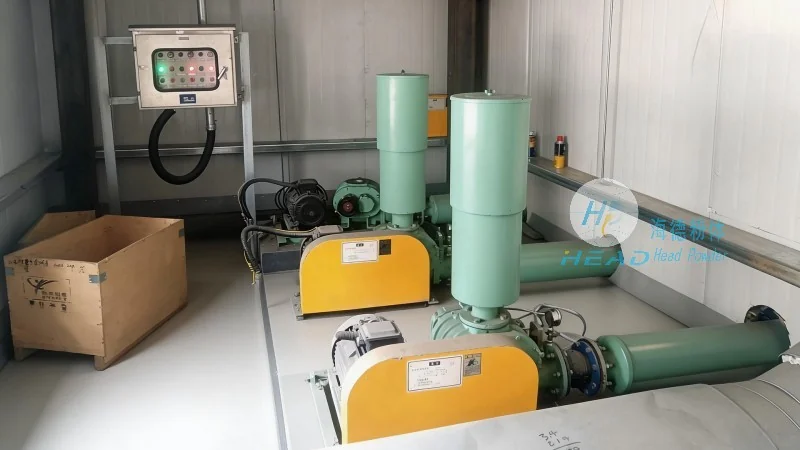
Amino acetic acid, commonly known as glycine, is a hygroscopic and corrosive chemical. Its physical properties, such as high moisture absorption and tendency to agglomerate, make it susceptible to forming blockages in pneumatic conveying lines. When air is used to transport this material, the interaction between the air stream and the powder can lead to uneven flow, which may result in localized high concentrations of material, causing clogs. Recognizing these risks is the first step toward designing a system that minimizes blockage occurrences.
Key Design Parameters for Preventing Blockages
Several critical design parameters must be considered when configuring an air-lifted conveying system for amino acetic acid. These parameters directly influence the system's ability to maintain consistent flow and prevent blockages.
1. Air Velocity and Pressure
The air velocity within the conveying line is a primary factor in preventing blockages. Insufficient air velocity can lead to material settling and accumulation, while excessively high velocity may cause wear on components and increase energy consumption. For amino acetic acid, optimal air velocity typically ranges between 20 to 30 meters per second, depending on the system's length and the material's characteristics. The pressure in the system also plays a crucial role; maintaining a consistent positive pressure ensures that the material remains suspended and moves efficiently through the pipeline.
2. Pipeline Diameter and Length
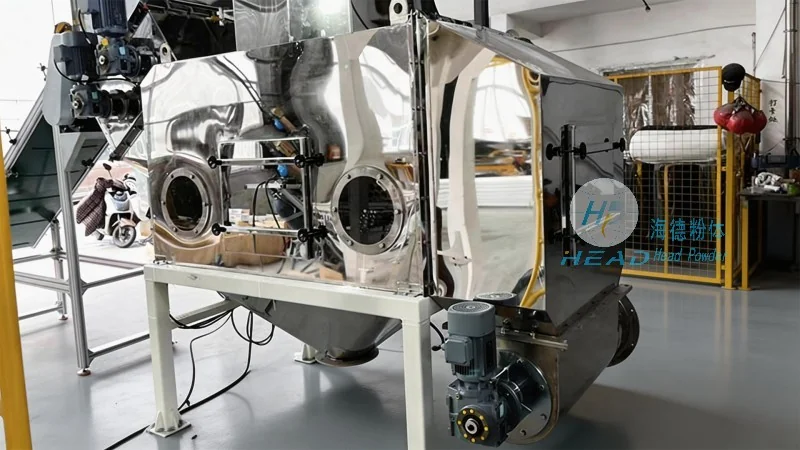
The diameter of the conveying pipeline is another critical design parameter. Smaller diameters increase the risk of blockages as the material has less space to flow, while larger diameters may require higher air pressure and energy. For amino acetic acid, a pipeline diameter of 100 to 150 millimeters is commonly recommended for systems handling this material. The length of the pipeline also affects the system's performance; longer lines may necessitate additional air boosters or higher pressure to maintain adequate velocity and prevent material deposition.
3. Material Feed Rate and Consistency
The feed rate of amino acetic acid into the system must be controlled to match the air flow capacity. Overfeeding can lead to excess material in the pipeline, causing blockages, while underfeeding may result in inefficient use of air and potential material degradation. Using a consistent feed rate, often achieved through metering devices or hopper-level controls, ensures that the material is introduced at a rate that the conveying system can handle without creating pressure surges or flow disruptions.
4. Air-Liquid Separation and Cleaning Systems
Proper air-liquid separation is essential to prevent the accumulation of moisture or fine particles in the system, which can contribute to blockages. Installing efficient cyclones or filters at the end of the conveying line helps remove moisture and fine material, maintaining the system's performance. Regular cleaning and maintenance of these separation components are also necessary to prevent clogging and ensure consistent operation.
5. System Inclination and Layout
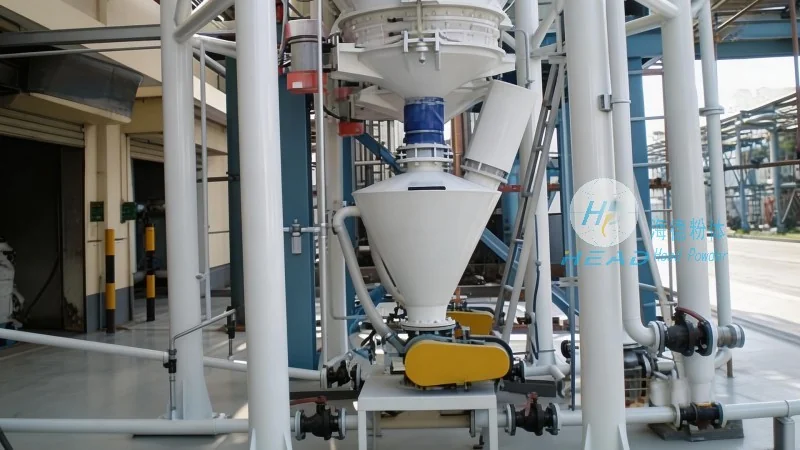
The layout of the conveying system, including the angle of the pipeline, can impact the flow of amino acetic acid. A slight upward inclination in the pipeline can help prevent material settling and reduce the risk of blockages. However, excessive incline may increase energy consumption. Designing the system with a gentle upward slope ensures that the material moves smoothly without accumulating at low points.
6. Material Conditioning and Pre-Treatment
Before entering the conveying system, amino acetic acid may require conditioning to improve its flow characteristics. Pre-treatment methods, such as drying or adding anti-caking agents, can reduce moisture content and prevent agglomeration. These steps help maintain a consistent particle size distribution, which is crucial for stable air-lifted conveying. Conditioning the material ensures that it behaves predictably within the system, minimizing the likelihood of blockages.
Company Overview: Shandong HeadPowder Engineering Co., Ltd.
Shandong HeadPowder Engineering Co., Ltd., operating under the brand name HeadPowder, specializes in the design and manufacturing of advanced air-lifted conveying systems. With a focus on industrial chemical handling, the company provides customized solutions tailored to the unique challenges of materials like amino acetic acid. HeadPowder's expertise lies in integrating key design parameters into system configurations to ensure reliable, blockage-free operation. The company's facilities are located in Shandong, China, where it leverages local resources and expertise to deliver high-quality engineering solutions for industrial clients.