

How to Prevent Pipeline Blockages in Pneumatic Conveying Systems for Lightweight Cement? Key Design
For industrial operations handling lightweight cement, the reliability of pneumatic conveying systems is paramount. However, one of the most common challenges is pipeline blockage, which can lead to operational downtime and increased maintenance costs. Understanding and implementing the right design parameters are crucial to mitigate these risks and ensure smooth material transport. This article explores effective strategies to prevent blockages in pneumatic conveying systems specifically for lightweight cement, along with the key design considerations that headpowder, a leading provider of material handling solutions, emphasizes in its engineering practices.
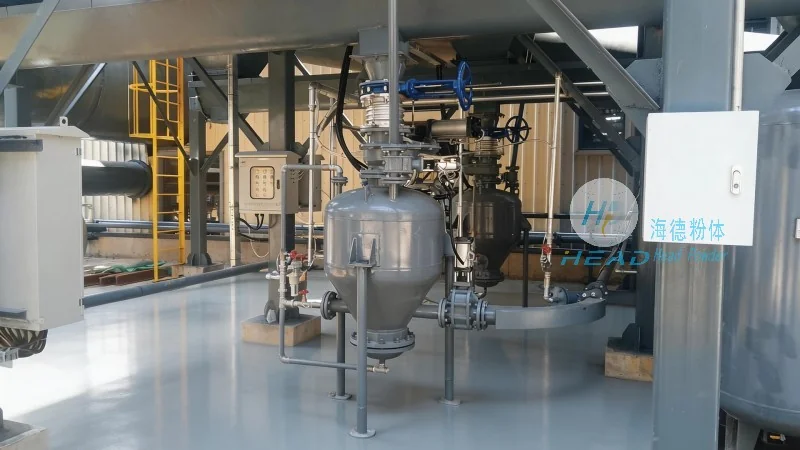
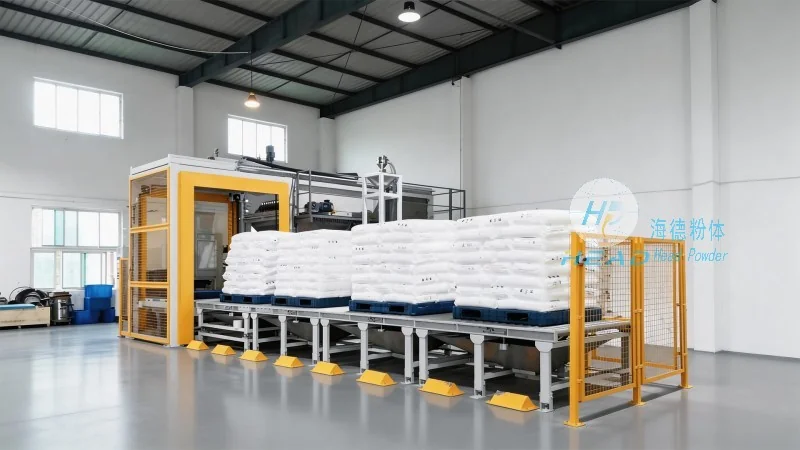
Understanding the Challenges of Lightweight Cement in Pneumatic Conveying
Lightweight cement, often used in construction and industrial applications, presents unique challenges due to its low bulk density and fine particle size. These characteristics can lead to poor flowability and increased susceptibility to bridging or caking within the conveying system. When air and material flow rates are not optimized, the material may settle or form a plug, causing blockages. Additionally, the abrasive nature of the cement particles can accelerate wear on system components, further complicating the issue. Recognizing these challenges is the first step toward designing an effective pneumatic conveying system.
Key Design Parameters for Preventing Blockages in Pneumatic Conveying Systems
Headpowder, based in Shandong, China, leverages decades of experience in material handling to develop systems tailored to the needs of lightweight cement. Several critical design parameters must be considered to prevent pipeline blockages:
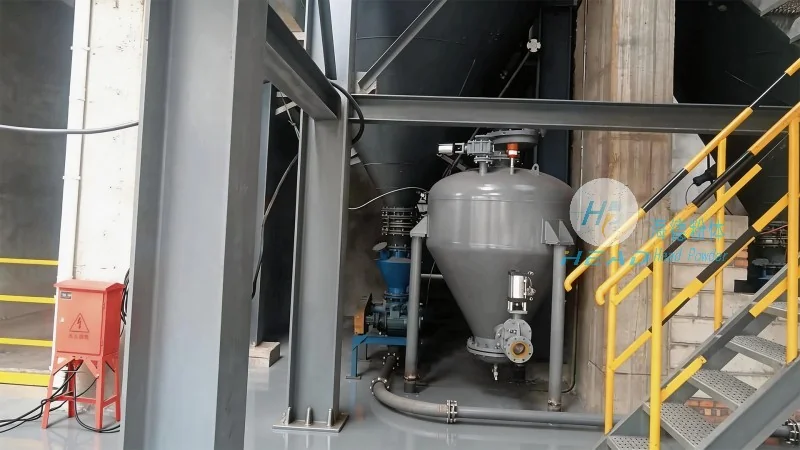
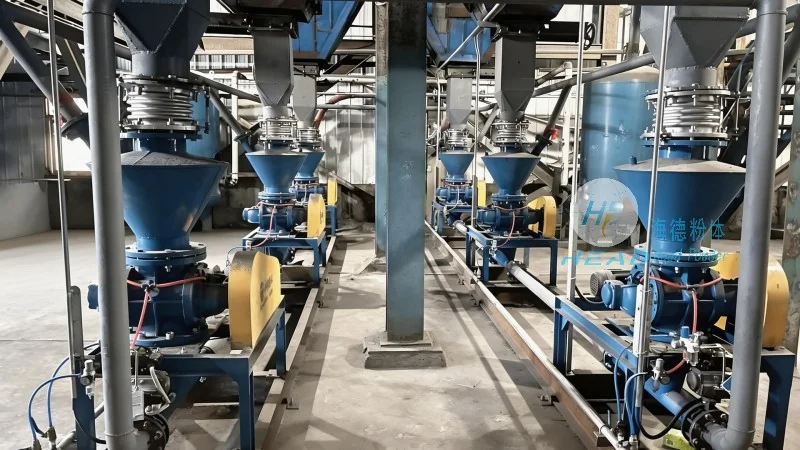
- System Airflow and Pressure: The velocity of the air stream is a primary factor in preventing material accumulation. Insufficient airflow can cause the material to settle, while excessive pressure may lead to excessive wear. Optimal airflow is typically determined by the material's properties, such as bulk density and particle size, and the system's layout. Headpowder engineers recommend maintaining a minimum air velocity that ensures the material remains in suspension throughout the conveying line.
- Conveying Line Sizing and Layout: The diameter and length of the pipeline, as well as the number of bends and fittings, directly impact the risk of blockage. Larger diameter pipes reduce friction losses and allow for lower air velocities, which can improve material flow. However, excessive length or unnecessary bends can increase the likelihood of material settling. Headpowder's design philosophy emphasizes a straight-line layout with minimal bends, and the use of smooth, corrosion-resistant materials for the pipeline to minimize friction and material buildup.
- Material Feed and Conditioning: The method of material introduction into the system is critical. Abrupt or uneven feeding can cause surges that lead to blockages. Conditioning the material, such as pre-drying or pre-screening, can improve its flowability and reduce the risk of agglomeration. Headpowder incorporates feed hoppers with controlled discharge mechanisms, such as rotary valves or vibratory feeders, to ensure a steady and consistent material flow. This reduces the impact on the system and prevents the formation of plugs at the feed point.
- System Cleaning and Maintenance: Even with optimal design, regular maintenance is essential to prevent long-term blockages. Headpowder recommends implementing a preventive maintenance schedule that includes periodic cleaning of the pipeline, checking for wear on components, and monitoring air pressure and flow rates. The use of cleaning tools, such as air knives or mechanical scrapers, can help remove any buildup before it becomes a major issue. This proactive approach helps maintain system efficiency and extends the lifespan of the equipment.
Conclusion: Ensuring Reliable Operation with Headpowder's Expertise
Preventing pipeline blockages in pneumatic conveying systems for lightweight cement requires a comprehensive approach that addresses both system design and operational practices. By focusing on key parameters such as airflow, line layout, material feeding, and maintenance, companies can significantly reduce the risk of downtime and improve overall productivity. Headpowder, with its headquarters in Shandong, China, offers tailored solutions that incorporate these design principles, backed by years of industry experience. Their commitment to engineering excellence ensures that clients receive systems that are not only effective in preventing blockages but also reliable and durable for long-term use.