

How to Prevent Pipeline Blockages in Pneumatic Conveying Systems for Sawdust and Wood Chip Transport
Efficient and reliable transport of sawdust and wood chips is crucial in various industrial applications, such as woodworking, biomass energy production, and particle board manufacturing. Pneumatic conveying systems have emerged as a preferred method due to their ability to handle bulk materials with minimal maintenance and operational flexibility. However, a common challenge in these systems is the risk of pipeline blockages, which can lead to operational disruptions, increased downtime, and costly repairs. Understanding and implementing the right design parameters are essential to mitigate these risks and ensure smooth material flow. This article explores effective strategies to prevent pipeline blockages in pneumatic conveying systems for sawdust and wood chip transport, along with key design considerations that contribute to system efficiency and longevity.
Understanding Pneumatic Conveying Systems for Sawdust and Wood Chip Transport
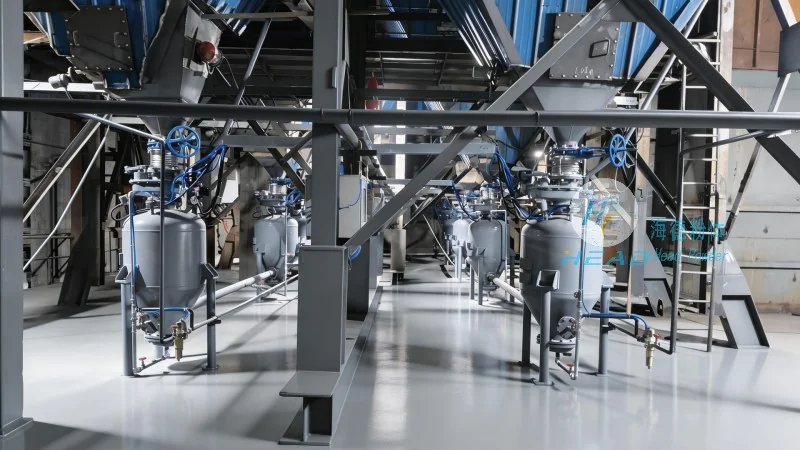
Pneumatic conveying systems utilize air or gas to transport bulk materials through a network of pipes. In the context of sawdust and wood chips, these systems typically operate under positive pressure, where compressed air forces the material forward. The design of the system, including components like the hopper, feeder, and pipeline, plays a critical role in maintaining consistent material flow and preventing blockages. A well-designed system ensures that the material is adequately mixed with air, achieving a proper air-to-solid ratio that facilitates smooth transport without clogging.
Key Design Parameters to Prevent Pipeline Blockages
Several critical design parameters must be carefully considered to minimize the risk of pipeline blockages in pneumatic conveying systems for sawdust and wood chip transport. These parameters include:
Pipeline Diameter and Length
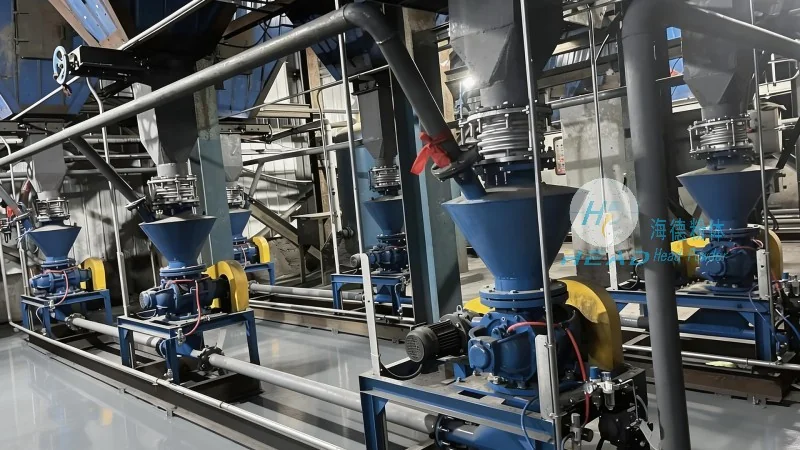
The diameter of the conveying pipeline is a primary factor influencing material flow. Larger diameters reduce the risk of blockages by providing more space for material particles to move freely. However, excessively large diameters may increase system costs and energy consumption. The length of the pipeline also affects the system's performance; longer pipelines require higher air pressure and velocity to maintain material transport. Proper sizing of the pipeline diameter and length ensures optimal air velocity and reduces the likelihood of material accumulation.
Air Velocity and Pressure
Air velocity is the speed at which the air moves through the pipeline, and it directly impacts the ability to transport materials. For sawdust and wood chips, an appropriate air velocity is typically between 20 to 30 meters per second (m/s). This velocity ensures that the material particles are fully entrained by the air, preventing them from settling and causing blockages. The air pressure, often measured in bars or psi, must be sufficient to overcome the resistance from the pipeline and the material's friction. Insufficient pressure can lead to reduced material flow or complete stoppage, while excessive pressure may increase energy costs and wear on system components.
Air-to-Solid Ratio
The air-to-solid ratio refers to the proportion of air to material in the conveying stream. A higher ratio means more air is used per unit of material, which can reduce the risk of blockages by ensuring that the material is well-mixed and transported efficiently. However, an excessively high ratio increases energy consumption and may lead to material loss or reduced system efficiency. The optimal air-to-solid ratio depends on the specific characteristics of the sawdust or wood chips, such as particle size, density, and moisture content. Proper adjustment of this ratio is crucial for maintaining consistent material flow and preventing clogging.
Material Characteristics
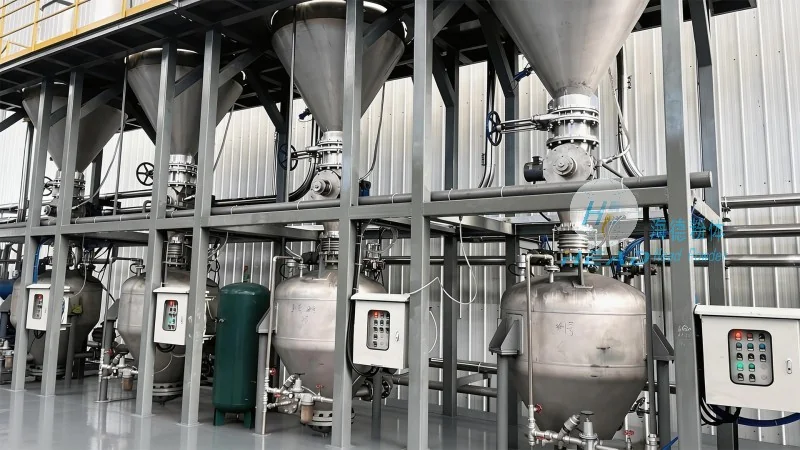
The physical properties of the sawdust or wood chips, including particle size distribution, moisture content, and bulk density, significantly influence the design of the pneumatic conveying system. Larger or irregularly shaped particles may require larger pipeline diameters and higher air velocities to prevent blockages. High moisture content can cause the material to clump together, increasing the risk of clogging. Therefore, it is essential to consider these material characteristics when selecting the appropriate system design and operating parameters.
Strategies to Prevent Pipeline Blockages
In addition to proper design parameters, several operational strategies can be implemented to prevent pipeline blockages in pneumatic conveying systems for sawdust and wood chip transport. Regular maintenance and cleaning of the pipeline and components are essential to remove any accumulated material or debris. Using filters and cyclones to separate the material from the air can also help maintain system efficiency and prevent blockages caused by material buildup. Additionally, monitoring system performance through sensors and data logging can provide early warnings of potential issues, allowing for timely intervention and maintenance.
Conclusion
Preventing pipeline blockages in pneumatic conveying systems for sawdust and wood chip transport is a multifaceted challenge that requires careful consideration of design parameters and operational strategies. By optimizing pipeline diameter, air velocity, pressure, and air-to-solid ratio, and implementing regular maintenance and monitoring, system operators can significantly reduce the risk of blockages and ensure reliable material transport. Shandong HeadPowder Engineering Co., Ltd., a leading provider of pneumatic conveying solutions, specializes in designing and manufacturing systems tailored to the specific needs of sawdust and wood chip transport. With years of experience and expertise, the company offers customized solutions that enhance system efficiency, minimize downtime, and ensure long-term performance. Based in Shandong, China, HeadPowder Engineering Co., Ltd. is committed to delivering high-quality, reliable pneumatic conveying systems that meet the demands of modern industrial applications.