

How to Prevent Pipeline Blockages in Gravity Dust Removal with Pneumatic Conveying Systems? Key Desi
HeadPowder Engineering, a leading provider of pneumatic conveying solutions, specializes in optimizing systems for gravity dust removal applications. This article explores effective strategies to prevent pipeline blockages and highlights critical design parameters that ensure reliable operation in such systems.
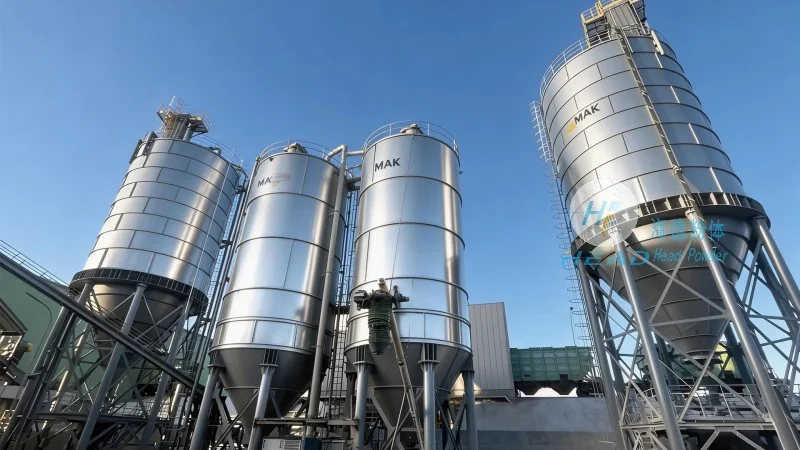
Understanding Pneumatic Conveying in Gravity Dust Removal
Pneumatic conveying systems are widely used in industrial settings to transport bulk materials like dust and fine particles from one location to another. In gravity dust removal processes, these systems play a vital role in capturing and transporting particulate matter efficiently. However, the nature of the material—often fine, dry, or abrasive—poses significant challenges, including the risk of pipeline blockages. Understanding the fundamentals of pneumatic conveying and the specific characteristics of the material being handled is the first step toward designing a system that minimizes blockage risks.
Key Design Parameters for Preventing Blockages
Several key design parameters must be carefully considered when designing a pneumatic conveying system for gravity dust removal to prevent blockages. These parameters directly influence the system's performance and reliability. The primary factors include:
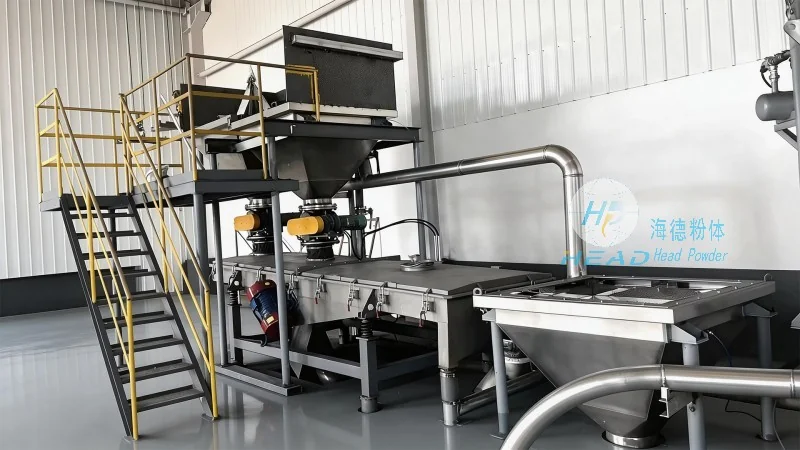
1. Airflow Velocity and Pressure
Optimizing airflow velocity and pressure is crucial for maintaining the material in suspension and preventing it from settling in the pipeline. Insufficient airflow can lead to material accumulation and blockages, while excessive pressure may cause wear and tear on components. Engineers typically aim for an airflow velocity that ensures the material particles remain entrained by the air stream. This often involves calculating the minimum conveying velocity based on the material's properties, such as particle size, density, and moisture content. Proper pressure control, including the use of appropriate blower or compressor capacity, is also essential to maintain consistent flow rates and prevent pressure drops that could lead to blockages.
2. Pipeline Sizing and Layout
The diameter and layout of the pipeline significantly impact the risk of blockages. Larger diameter pipelines reduce the risk of material buildup due to lower friction losses and higher material-to-air ratios. However, the layout must also consider the system's overall efficiency and cost. Vertical and horizontal runs, as well as the number of bends and elbows, affect the material's flow dynamics. Properly designed pipelines with smooth internal surfaces and minimal changes in direction help maintain consistent flow and reduce the likelihood of blockages. Additionally, incorporating expansion joints or flexible connectors in areas prone to thermal expansion or vibration can mitigate stress-related blockages.
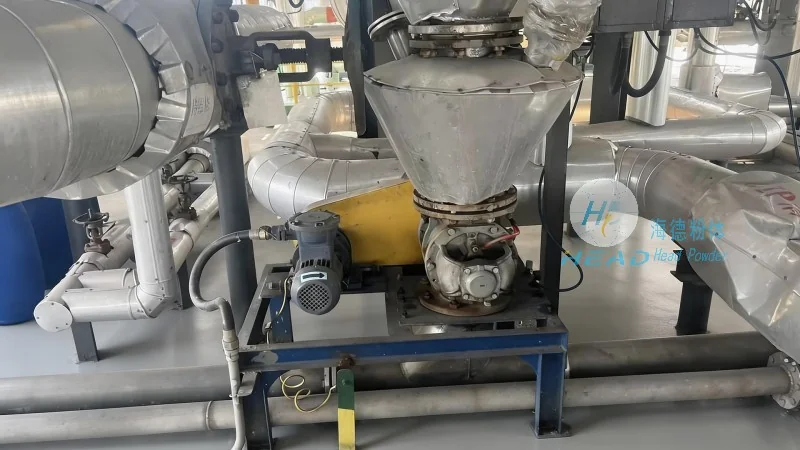
3. Material Handling and Conditioning
The characteristics of the material being conveyed, such as its moisture content, particle size distribution, and agglomeration tendency, directly influence the system's performance. High moisture content can cause the material to stick to the pipeline walls, leading to blockages. Conditioning the material, such as drying or adding anti-caking agents, can improve its flowability and reduce the risk of blockages. Additionally, ensuring the material is properly mixed with the conveying air, either by using a positive displacement blower or a venturi system, helps maintain consistent suspension and prevents settling.
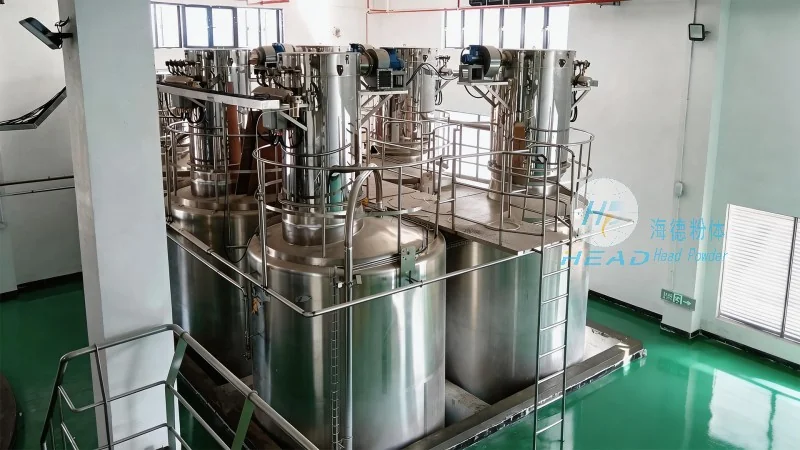
4. Filter and Cyclone Design
The design of the filtration and separation equipment, such as cyclones or bag filters, is critical for maintaining system efficiency and preventing blockages. These components are responsible for separating the conveyed material from the air stream and returning it to the system or for disposal. If the filter or cyclone is clogged, it can cause a pressure drop in the system, leading to reduced airflow and potential blockages in the pipeline. Regular maintenance and cleaning of these components are essential to ensure they operate effectively. Additionally, selecting filters with appropriate media and pore sizes can prevent material from escaping and causing blockages downstream.
Conclusion
Preventing pipeline blockages in pneumatic conveying systems for gravity dust removal requires a comprehensive approach that considers multiple design parameters. By optimizing airflow velocity and pressure, selecting appropriate pipeline sizing and layout, managing material properties through conditioning, and ensuring proper filter and cyclone design, engineers can significantly reduce the risk of blockages and ensure reliable operation. HeadPowder Engineering, with its expertise in pneumatic conveying solutions, provides tailored systems that incorporate these critical parameters to meet the specific needs of industrial applications. Our commitment to quality and performance ensures that our clients achieve efficient and safe material transport in their gravity dust removal processes.