

Preventing Pipeline Blockages in Pneumatic Conveying Systems for Catalyst Powder: Key Design Paramet
HeadPowder, a leading provider of engineering solutions, specializes in pneumatic conveying systems tailored for the transportation of catalyst powders. In industrial applications, the efficient and reliable operation of these systems is critical, especially when dealing with materials like catalyst powders that are prone to causing pipeline blockages. This article explores effective strategies to prevent blockages and highlights the crucial design parameters that contribute to the smooth operation of such systems.
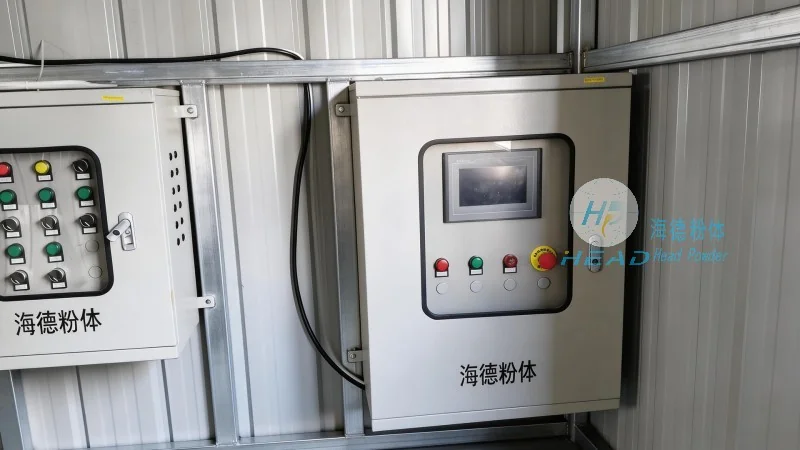
Understanding the Challenges of Catalyst Powder Conveyance
Catalyst powders, often used in chemical and petrochemical industries, possess unique properties that can pose significant challenges during pneumatic transport. These materials may have high moisture content, variable particle sizes, or a tendency to agglomerate, all of which can lead to clogging in the conveying pipelines. Traditional systems may struggle with these characteristics, resulting in reduced throughput, increased maintenance costs, and potential safety hazards. Therefore, understanding the inherent properties of catalyst powders is the first step in designing an effective pneumatic conveying system.
Key Design Parameters for Preventing Pipeline Blockages
Several critical design parameters must be considered to mitigate the risk of pipeline blockages in pneumatic conveying systems for catalyst powders. These parameters are interrelated and require careful optimization to ensure system efficiency and reliability.
1. Air Velocity and Flow Rate
Optimizing the air velocity and flow rate is fundamental to preventing blockages. Insufficient air velocity can lead to material settling and clogging, while excessively high velocities may cause excessive wear on components and energy inefficiency. The ideal air velocity depends on the particle size, density, and moisture content of the catalyst powder. For most catalyst powders, a velocity range of 20-30 meters per second is commonly recommended to maintain a stable, dilute phase flow, which reduces the likelihood of agglomeration and blockages.
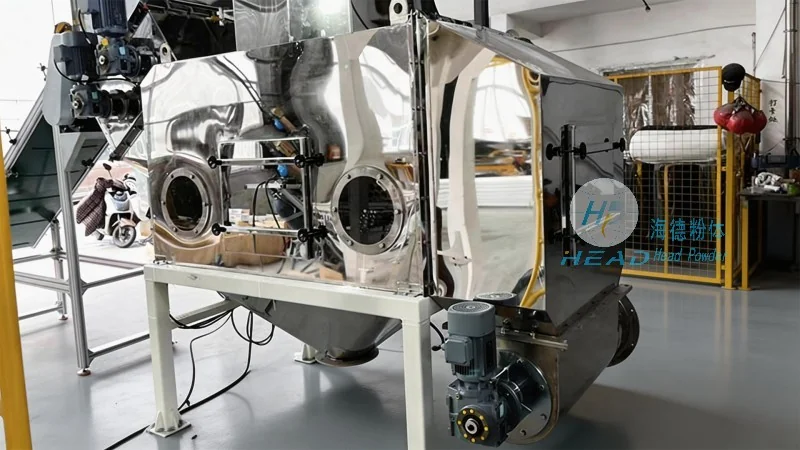
2. Conveying Line Diameter and Length
The diameter and length of the conveying line are critical factors that influence system performance. A larger diameter reduces the frictional resistance and allows for higher material throughput, but it also increases the cost and space requirements. Conversely, a smaller diameter may lead to higher air velocities and increased energy consumption, potentially causing wear and tear. The length of the line must be considered to ensure that the pressure drop remains within acceptable limits, as excessive pressure drop can lead to blockages or system failure. HeadPowder engineers typically recommend a diameter that balances throughput and energy efficiency, often ranging from 50 to 150 millimeters for catalyst powder applications.
3. Solids Loading Ratio
The solids loading ratio, which is the ratio of the mass flow rate of solids to the mass flow rate of air, is a key parameter that affects the flow regime. A higher solids loading ratio increases the risk of blockages as the material becomes more concentrated and prone to agglomeration. For catalyst powders, a moderate solids loading ratio, typically between 0.1 and 0.3, is recommended to maintain a dilute phase flow, which is less likely to cause clogs. This parameter must be carefully controlled to ensure that the system operates within the optimal range for the specific material being conveyed.
4. Inlet and Outlet Design
The design of the inlet and outlet components plays a vital role in preventing blockages. The inlet should be designed to introduce the catalyst powder into the conveying line smoothly, avoiding any abrupt changes in direction or velocity that could cause material accumulation. The use of a well-designed hopper with a smooth transition to the pipe can help prevent agglomeration at the entry point. Similarly, the outlet design should allow for the smooth discharge of the material without causing blockages or pressure buildup. HeadPowder’s engineering team emphasizes the importance of using curved or tapered transitions at the inlet and outlet to maintain a consistent flow and minimize the risk of clogging.
5. Material Handling and Conditioning
Pre-conveyance conditioning of the catalyst powder can significantly reduce the risk of blockages. This may include drying the material to reduce moisture content, breaking up agglomerates through screening or milling, or adding anti-caking agents to prevent clumping. By improving the physical properties of the material before it enters the conveying system, the likelihood of blockages is reduced. HeadPowder offers specialized conditioning equipment, such as rotary dryers and agglomerate breakers, to prepare the catalyst powder for efficient transport.
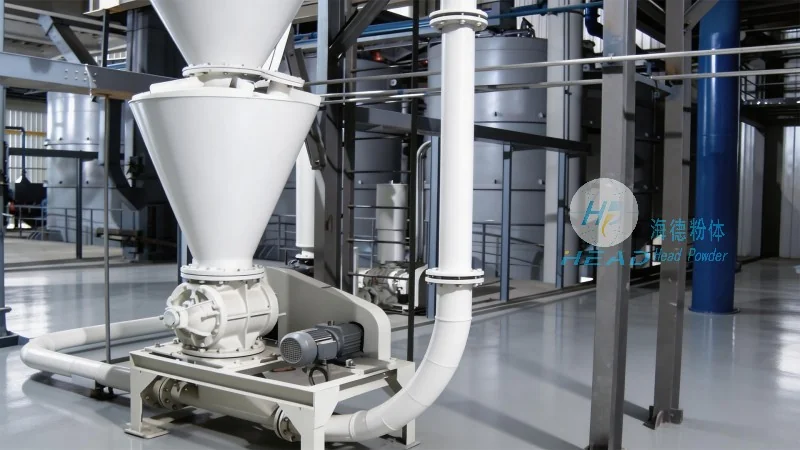
Implementation Strategies from HeadPowder
HeadPowder Engineering Co., Ltd., based in Shandong, China, provides comprehensive solutions for pneumatic conveying systems tailored to the unique needs of catalyst powder applications. The company’s engineering team leverages advanced design software and extensive industry experience to develop systems that meet the highest standards of efficiency and reliability. By incorporating the key design parameters discussed above, HeadPowder ensures that its systems are optimized to prevent pipeline blockages and maintain consistent performance.
For instance, HeadPowder’s customized pneumatic conveying systems for catalyst powders often include variable frequency drives (VFDs) to control air velocity and flow rate dynamically, allowing for real-time adjustments based on the material characteristics. The company also uses high-quality materials, such as stainless steel or corrosion-resistant alloys, for the conveying lines and components to withstand the abrasive nature of catalyst powders and prevent wear-related blockages.
Conclusion
Preventing pipeline blockages in pneumatic conveying systems for catalyst powders requires a systematic approach that considers multiple design parameters. By optimizing air velocity, line diameter, solids loading ratio, inlet/outlet design, and material conditioning, industrial facilities can significantly reduce the risk of clogs and improve the overall efficiency of their operations. HeadPowder Engineering Co., Ltd., with its expertise and tailored solutions, plays a crucial role in helping clients achieve reliable and cost-effective pneumatic conveying of catalyst powders. Through careful engineering and adherence to best practices, the challenges associated with catalyst powder conveyance can be effectively managed, ensuring smooth and uninterrupted operations in industrial processes.