

How to Prevent Pipeline Blockages in the Air-Solid Transport System for Sulfate Nickel Crystallizati
For industries dealing with the transport of sulfate nickel crystallization, the air-solid transport system, or pneumatic conveying system, offers an efficient method to move bulk materials. However, a common challenge in such systems is the risk of pipeline blockages, which can lead to operational disruptions and increased maintenance costs. Understanding and implementing the right design parameters are crucial to mitigate these risks and ensure smooth operation. This article explores effective strategies to prevent pipeline blockages in air-solid transport systems for sulfate nickel crystallization and highlights the key design parameters that contribute to a reliable system.
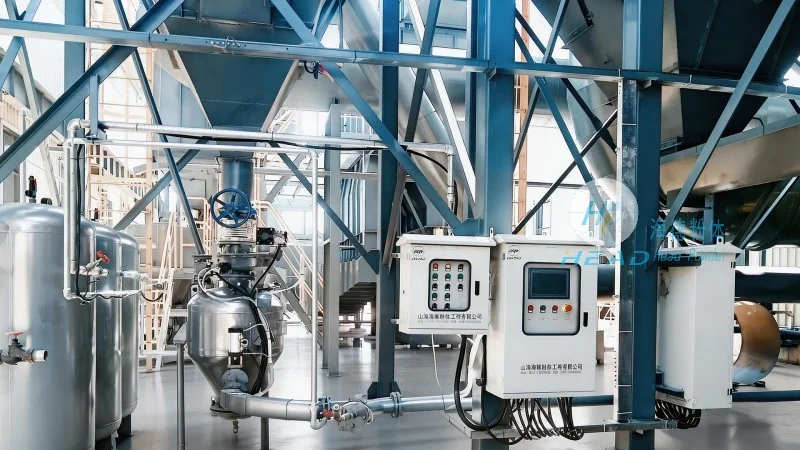
Understanding the Risks of Pipeline Blockages in Sulfate Nickel Crystallization Transport
Before delving into solutions, it's essential to comprehend the factors that contribute to pipeline blockages in the context of sulfate nickel crystallization. The crystalline nature of the material, combined with its potential to absorb moisture or form agglomerates, can create conditions that lead to clogging. Additionally, the high density and abrasive properties of the material may increase wear on system components, further exacerbating blockage risks. In pneumatic conveying systems, blockages can occur due to insufficient air velocity, improper particle size distribution, or inadequate system pressure, all of which can impede the flow of material through the pipeline.
Key Design Parameters for Preventing Blockages in Air-Solid Transport Systems
Several critical design parameters must be considered when designing an air-solid transport system for sulfate nickel crystallization to prevent pipeline blockages. These parameters are tailored to the specific characteristics of the material and the operational requirements of the system.
1. Air Velocity and Flow Rate
The air velocity within the pipeline is a fundamental parameter that directly impacts the ability of the system to transport material without blockages. Insufficient air velocity can cause the material to settle and accumulate, leading to clogs. Conversely, excessively high air velocity may cause material degradation or increased energy consumption. For sulfate nickel crystallization, the optimal air velocity typically ranges between 20 to 30 meters per second, depending on the particle size and density. The flow rate, which is the volume of air moving through the system per unit time, must also be carefully calculated to ensure that the material is fully suspended and conveyed without settling.
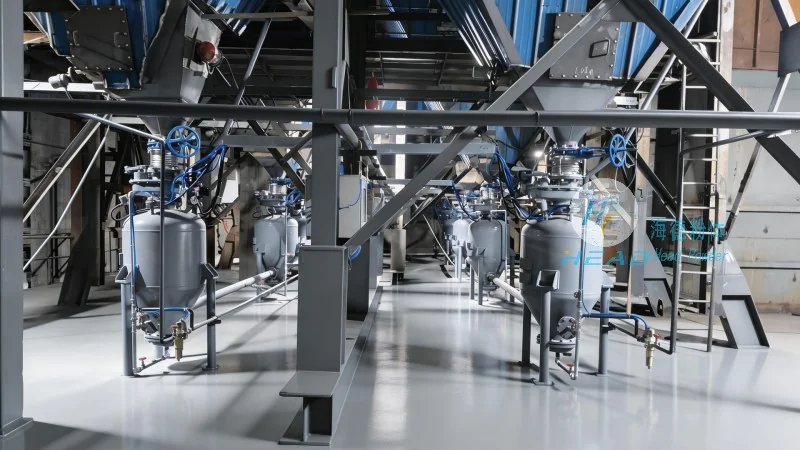
2. Particle Size Distribution and Uniformity
The size and uniformity of the sulfate nickel crystallization particles play a significant role in preventing blockages. Coarse particles are more likely to cause abrasion and wear on system components, while fine particles can lead to increased friction and the formation of agglomerates. A well-designed system should ensure that the particle size distribution is narrow and within an optimal range, typically between 0.1 to 2 millimeters for most crystalline materials. This uniformity helps maintain consistent air velocity and reduces the likelihood of material accumulation.
3. System Pressure and Vacuum Levels
The pressure and vacuum levels within the air-solid transport system are critical design parameters that affect the conveying capacity and the risk of blockages. Higher system pressure can enhance the conveying efficiency but may also increase the risk of material degradation or system wear. Conversely, lower pressure may result in insufficient material suspension. For sulfate nickel crystallization, a balanced pressure system is essential. The pressure should be sufficient to maintain the material in a suspended state while minimizing the risk of excessive wear on pipelines and components. Vacuum systems, often used in suction conveyors, require careful design to ensure that the vacuum level is adequate to draw the material without causing blockages due to excessive suction.
4. Pipeline Diameter and Length
The diameter and length of the pipeline are important design considerations that influence the system's ability to handle the material flow. A larger pipeline diameter reduces the risk of blockages by providing more space for material to move, but it also increases the system's capital cost. The length of the pipeline must be optimized to avoid excessive pressure drop, which can lead to insufficient air velocity and material settling. For sulfate nickel crystallization, the pipeline diameter is typically chosen based on the required conveying capacity and the particle size, with common diameters ranging from 50 to 200 millimeters. The pipeline length should be designed to minimize the total pressure drop while ensuring that the material is conveyed within the optimal air velocity range.
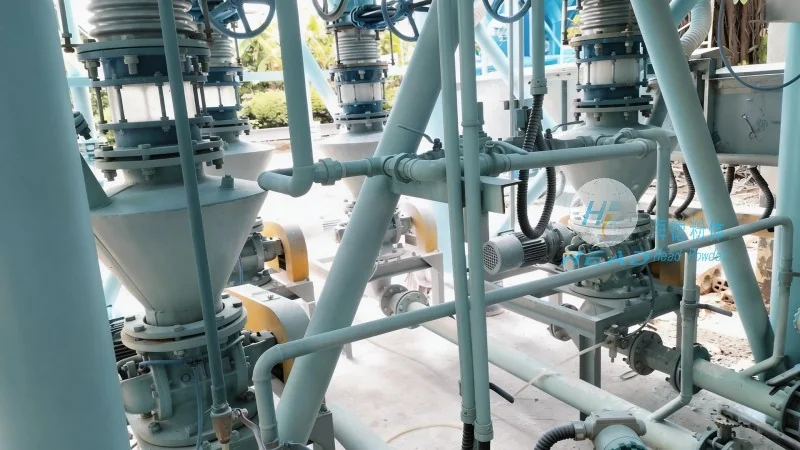
5. Material Handling and Conditioning
In addition to the system design parameters, the handling and conditioning of the sulfate nickel crystallization material before it enters the air-solid transport system can significantly impact blockage prevention. Pre-drying the material to reduce moisture content can prevent agglomeration and clogging. Additionally, adding a small amount of anti-caking agent or using a pre-screening process to remove oversized particles can improve the material's flow characteristics and reduce the risk of blockages. Proper material storage and feeding mechanisms, such as using a hopper with a discharge valve or a rotary feeder, can also help maintain a consistent flow rate and prevent material buildup at the inlet.
Implementation Strategies from Shandong HeadPowder Engineering Co., Ltd.
Shandong HeadPowder Engineering Co., Ltd., a leading provider of air-solid transport solutions, emphasizes the importance of integrating these design parameters into the system design process. The company's expertise lies in customizing pneumatic conveying systems to meet the specific needs of clients, particularly in the handling of sulfate nickel crystallization. By conducting thorough material analysis and system simulations, HeadPowder engineers can determine the optimal air velocity, pressure, and pipeline dimensions for each application. The company also provides comprehensive support, including system installation, commissioning, and maintenance services, to ensure that the air-solid transport system operates efficiently and without blockages.
Conclusion: Ensuring Reliable Transport with Proper Design
Preventing pipeline blockages in air-solid transport systems for sulfate nickel crystallization requires a holistic approach that considers multiple design parameters. By optimizing air velocity, ensuring proper particle size distribution, maintaining appropriate system pressure, and selecting suitable pipeline dimensions, operators can significantly reduce the risk of blockages and improve the overall efficiency of their material handling processes. With the right design and implementation, air-solid transport systems can provide a reliable and cost-effective solution for the transport of sulfate nickel crystallization, minimizing downtime and maximizing productivity. Shandong HeadPowder Engineering Co., Ltd. continues to be a trusted partner in delivering such solutions, helping industries achieve seamless material transport and operational excellence.