

Preventing Pipeline Blockages in PTFE Material Handling with Pneumatic Conveying Systems: Key Design
When handling polytetrafluoroethylene (PTFE), a highly abrasive and non-stick material, the design of a pneumatic conveying system is critical to prevent pipeline blockages. PTFE particles can easily adhere to surfaces and cause clogging if the system is not optimized for this specific material's properties. This article explores the key design parameters that ensure efficient PTFE transport while minimizing the risk of blockages, with insights from Shandong HeadPowder Engineering Co., Ltd., a leading provider of pneumatic conveying solutions.
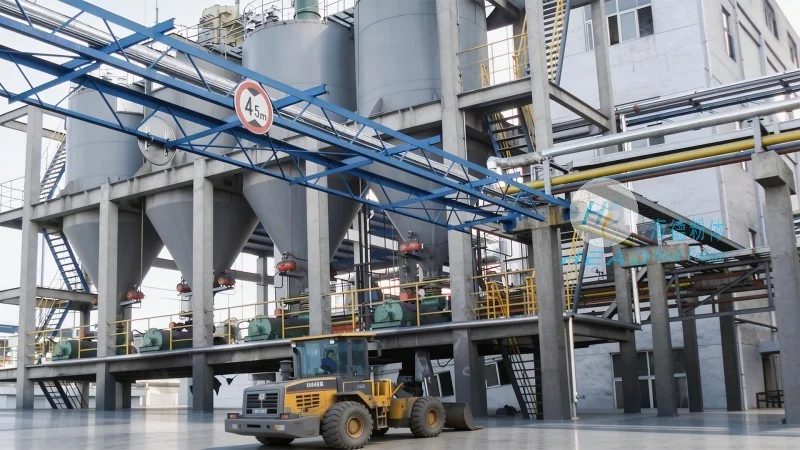
Understanding the Challenges of PTFE Material Handling
Polytetrafluoroethylene, commonly known as Teflon, is renowned for its chemical resistance and low friction coefficient. However, these properties also make it challenging to transport via pneumatic systems. PTFE particles tend to stick together and to the interior of the conveying pipeline, leading to agglomeration and blockages. Traditional pneumatic systems designed for other materials may not be suitable for PTFE due to the material's unique characteristics. Therefore, a tailored approach to system design is essential to maintain smooth operation and prevent downtime.
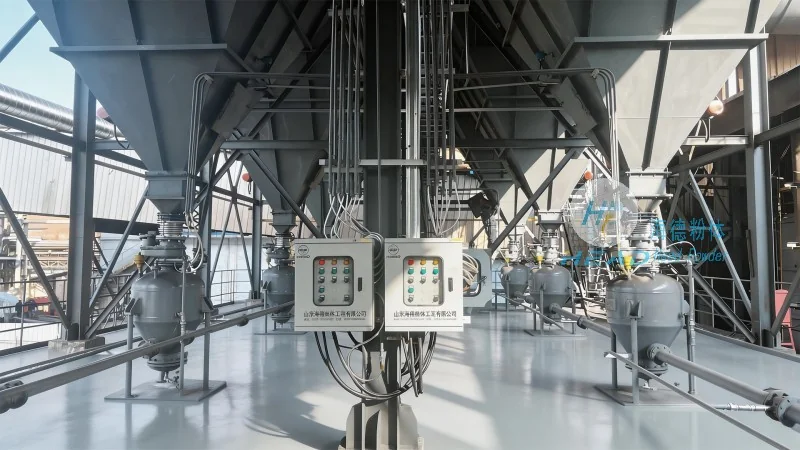
Key Design Parameters for PTFE Pneumatic Conveying
Several critical design parameters must be considered when configuring a pneumatic conveying system for PTFE. These parameters directly impact the system's ability to prevent blockages and ensure reliable material transport.
- Conveying Velocity and Airflow Rate: The velocity of the air or gas used to move PTFE particles is a primary factor. Higher velocities can help prevent particle agglomeration by maintaining a consistent flow and reducing the time particles spend in contact with the pipeline walls. However, excessive velocity may increase energy consumption and cause wear on components. The optimal airflow rate is typically determined by the particle size, density, and the system's overall length.
- Pipeline Diameter and Material: The diameter of the conveying pipeline is crucial. Larger diameters reduce the risk of blockages by providing more space for particles to move without sticking. The material of the pipeline itself is also important. PTFE is often used for the pipeline interior to prevent adhesion, but the outer casing may be made of metal or other durable materials. The choice of pipeline material affects both the system's longevity and its ability to handle PTFE without causing further blockages.
- Bend and Elbow Design: The design of bends and elbows in the pipeline is critical for PTFE transport. Sharp turns can cause particles to impact the pipeline walls, leading to abrasion and potential blockages. Smooth, gradual bends with larger radii are preferred. Additionally, the use of special fittings, such as those with internal coatings or anti-stick surfaces, can further reduce the risk of particle buildup in these areas.
- Pressure and Vacuum Levels: The operating pressure or vacuum in the system influences the flow of PTFE particles. Higher pressures can provide more force to move particles, but they may also increase the risk of wear on components and cause excessive particle acceleration. The optimal pressure level is determined by the system's configuration and the material's properties. Properly regulated pressure ensures consistent flow and prevents the formation of air pockets that could lead to blockages.
- Filter and Separator Design: The filter or separator at the end of the conveying system is essential for preventing PTFE particles from entering the receiver or downstream equipment. The filter media must be chosen carefully to avoid clogging itself while effectively trapping PTFE particles. Regular maintenance of the filter is also necessary to ensure the system continues to operate efficiently.
HeadPowder's Expertise in PTFE Pneumatic Conveying
Shandong HeadPowder Engineering Co., Ltd. specializes in designing and manufacturing pneumatic conveying systems tailored to the unique needs of PTFE material handling. With years of experience in the industry, HeadPowder understands the challenges associated with PTFE and has developed innovative solutions to prevent pipeline blockages. The company's engineers work closely with clients to assess their specific requirements, including material characteristics, system size, and operational conditions, to design a system that meets their needs while ensuring reliability and efficiency.
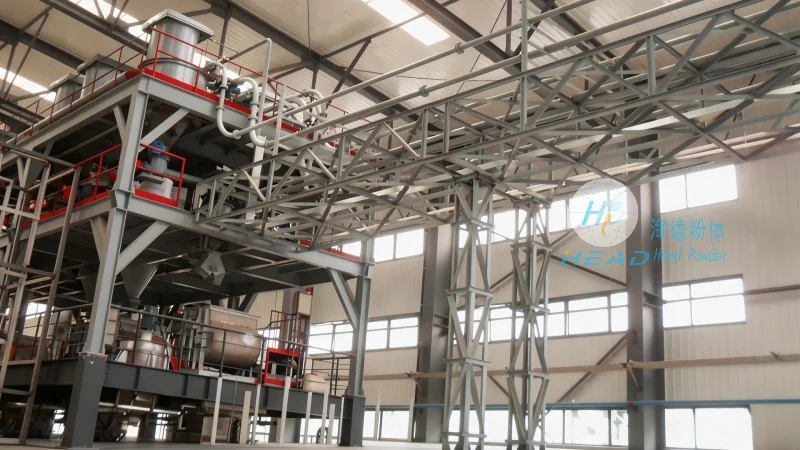
HeadPowder's approach to PTFE pneumatic conveying systems involves a comprehensive analysis of the material's properties and the system's operational parameters. By focusing on key design parameters such as airflow velocity, pipeline diameter, and bend design, the company ensures that its systems are optimized to prevent blockages and maintain consistent performance. The company also provides ongoing support and maintenance services to ensure that its systems continue to operate efficiently over time.