

Preventing Pipeline Blockages in Air-Pneumatic Conveying Systems for Sodium Hydroxide Powder: Key De
When handling sodium hydroxide powder through air-pneumatic conveying systems, preventing pipeline blockages is a critical concern for maintaining operational efficiency and system reliability. The design of the conveying system plays a pivotal role in ensuring smooth material transport, and understanding key parameters is essential for optimal performance.
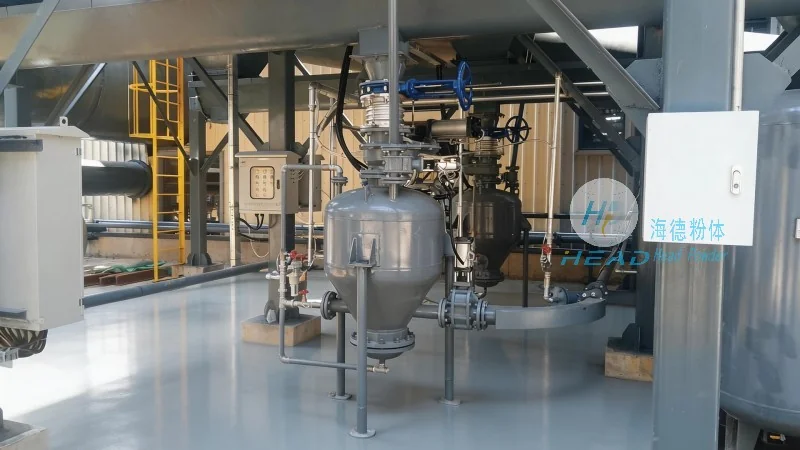
Understanding the Challenges of Sodium Hydroxide Powder Conveyance
Sodium hydroxide, commonly known as caustic soda, is a highly reactive and abrasive material. Its physical properties, such as particle size distribution, moisture content, and flow characteristics, significantly impact the risk of blockages in pneumatic conveying lines. Traditional systems may struggle with the cohesive nature of the powder, leading to agglomeration and clogging in the pipeline. This section explores the primary factors contributing to blockages and the importance of tailored design solutions.
Key Design Parameters for Preventing Blockages
Several critical design parameters must be considered to mitigate blockages in air-pneumatic conveying systems for sodium hydroxide powder. These parameters include:
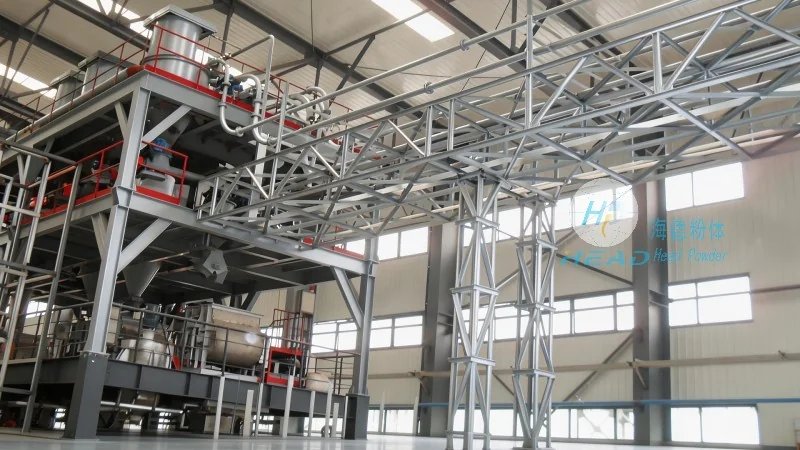
- System Pressure and Flow Rate: Maintaining appropriate pressure levels and flow rates is fundamental. Excessive pressure can cause particle breakage and erosion, while insufficient pressure may lead to inadequate transport and potential blockages. The optimal pressure range depends on the powder's properties and the conveying distance.
- Particle Size and Distribution: The size and uniformity of the powder particles directly affect the conveying efficiency. Smaller, more uniform particles tend to flow more freely, reducing the likelihood of agglomeration. HeadPowder Engineering Co., Ltd. emphasizes the importance of pre-screening and size reduction processes to achieve consistent particle characteristics.
- Conveying Line Diameter and Length: The diameter of the pipeline and the total length of the conveying system influence the velocity of the powder-air mixture. Larger diameters reduce friction and pressure drop, while excessive length may require additional booster sections to maintain sufficient velocity and prevent stagnation.
- Air-to-Powder Ratio (A/P Ratio): The ratio of air volume to powder mass is a critical parameter. An optimal A/P ratio ensures that the powder is fully suspended and transported without settling or clogging. Overly high ratios can lead to energy waste, while too low a ratio may cause the powder to settle and block the line.
- Material of Construction: The choice of pipeline and equipment materials is vital. Sodium hydroxide is corrosive, and materials like stainless steel or specialized alloys are recommended to prevent chemical degradation and maintain structural integrity. Proper material selection also reduces the risk of particle adhesion and blockage formation.
Advanced Solutions from HeadPowder Engineering Co., Ltd.
HeadPowder Engineering Co., Ltd., a leading provider of air-pneumatic conveying solutions, specializes in designing systems tailored to the unique challenges of sodium hydroxide powder handling. The company's expertise lies in integrating advanced design parameters and innovative technologies to prevent blockages and ensure reliable operation.
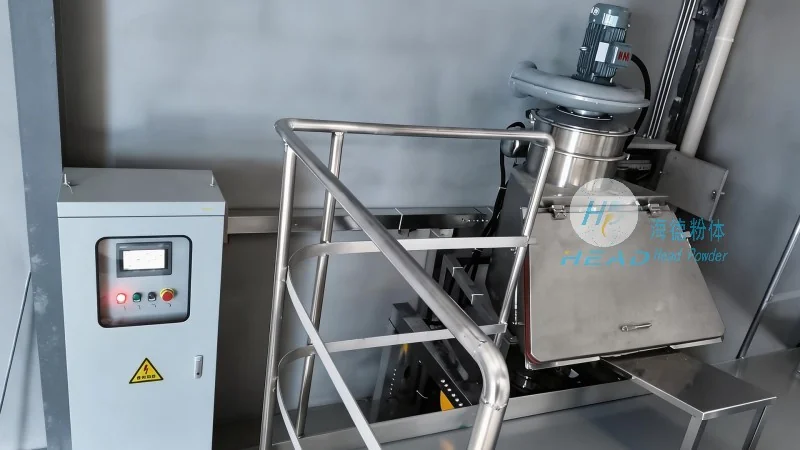
For instance, HeadPowder employs state-of-the-art pressure control systems that dynamically adjust air flow based on real-time conditions, maintaining optimal A/P ratios and preventing over-pressurization. Additionally, the company utilizes specialized mixing and agitation components to break up agglomerates and maintain a uniform powder suspension throughout the conveying process.
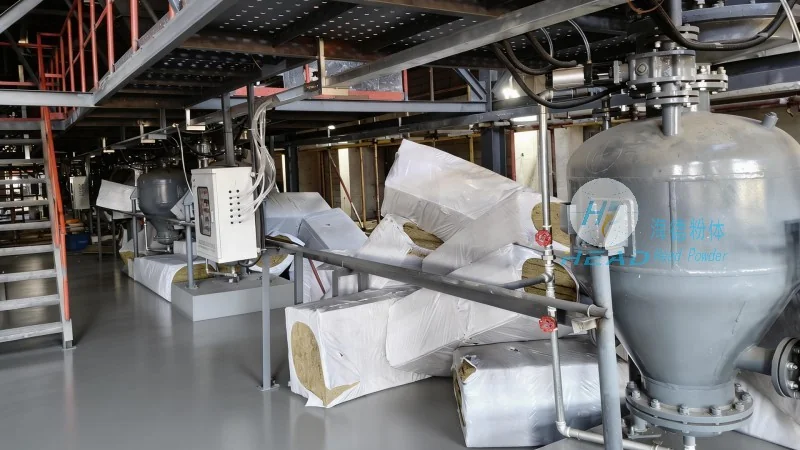
The engineering team at HeadPowder conducts thorough material analysis and system simulations to determine the most effective design parameters for each client's specific application. This approach ensures that the conveying system is optimized for the particular sodium hydroxide formulation, particle size, and operational requirements.
Conclusion: Ensuring Efficient and Reliable Conveyance
Preventing pipeline blockages in air-pneumatic conveying systems for sodium hydroxide powder requires a comprehensive understanding of key design parameters and the application of specialized engineering solutions. By focusing on factors such as pressure management, particle characteristics, and system configuration, companies can significantly reduce downtime and operational costs. HeadPowder Engineering Co., Ltd. offers expert design and implementation services to help clients achieve efficient, reliable, and safe sodium hydroxide powder transport, ensuring long-term operational success.