

Preventing Pipeline Blockages in Pneumatic Conveying Systems for Ternary Lithium-Ion Battery Cathode
In the production of lithium-ion batteries, the efficient and reliable transport of ternary cathode materials is critical to maintaining production line throughput and product quality. Ternary cathode materials, typically composed of nickel, cobalt, and manganese or other elements, are often fine powders with specific particle size distributions and moisture content. These characteristics make them susceptible to agglomeration and blockage in traditional conveying systems. Pneumatic conveying systems offer a solution by using air to transport materials, but proper design is essential to prevent pipeline blockages and ensure smooth operation. This article explores the key design parameters and strategies employed by Shandong HeadPowder Engineering Co., Ltd. (HeadPowder) to prevent blockages in pneumatic conveying systems when handling ternary cathode materials.
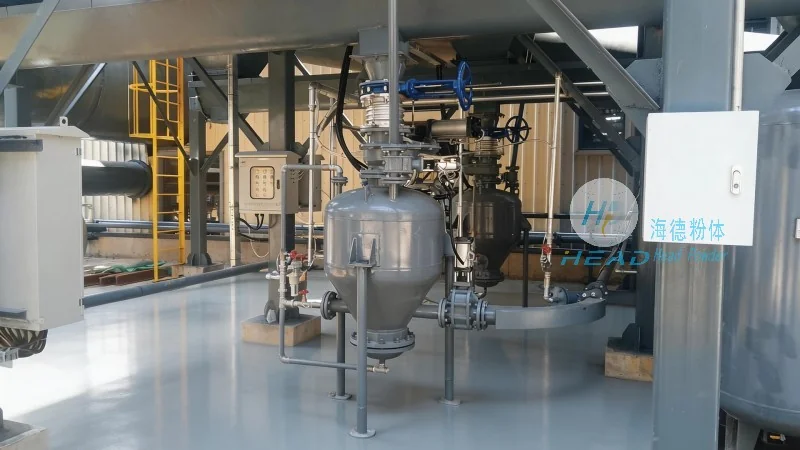
Understanding the Risks of Pipeline Blockages
Pipeline blockages in pneumatic conveying systems can occur due to several factors, particularly when dealing with fine powders like ternary cathode materials. Agglomeration, where particles stick together, is a primary cause. This can be exacerbated by high moisture content, improper air flow rates, or inadequate mixing of the material. Blockages can lead to system downtime, increased maintenance costs, and potential damage to equipment. Therefore, understanding the root causes of blockages is the first step in designing an effective prevention strategy.
Key Design Parameters for Preventing Blockages
Several critical design parameters must be considered when designing a pneumatic conveying system for ternary cathode materials to minimize the risk of blockages. These parameters are tailored to the material's properties and the system's operational requirements.
1. Air Flow Rate and Velocity
The air flow rate and velocity are fundamental to the success of a pneumatic conveying system. Insufficient air velocity can cause the material to settle and agglomerate, leading to blockages. Conversely, excessive velocity can cause erosion of the pipeline and increase energy consumption. For ternary cathode materials, the optimal air velocity is typically determined based on the material's bulk density, particle size, and moisture content. HeadPowder recommends maintaining an air velocity that is at least 1.5 to 2 times the minimum fluidization velocity of the material to ensure stable transport without causing excessive pressure drops.
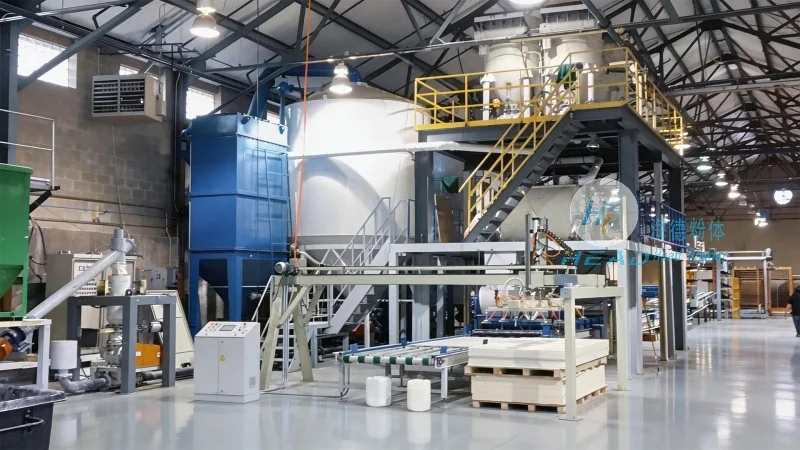
2. Material Feed Rate and Uniformity
The feed rate of the ternary cathode material into the system must be controlled and uniform to prevent overloading the pipeline. Abrupt changes in feed rate can create surges that lead to blockages. HeadPowder employs advanced feeding mechanisms, such as rotary valves or screw feeders, that can regulate the material flow rate precisely. These devices ensure a consistent feed rate, which is crucial for maintaining stable air flow and preventing agglomeration.
3. Pipeline Sizing and Layout
The diameter and layout of the conveying pipeline play a significant role in preventing blockages. Smaller pipelines may not provide sufficient space for the material to move freely, increasing the risk of agglomeration. Larger pipelines, on the other hand, may require higher air flow rates and more energy. HeadPowder recommends selecting a pipeline diameter based on the material's bulk density and the desired conveying capacity. Additionally, the pipeline layout should be designed to minimize bends and changes in direction, as sharp turns can cause the material to settle and block the pipe. Smooth transitions and gradual bends are preferred to maintain consistent air flow and prevent material accumulation.
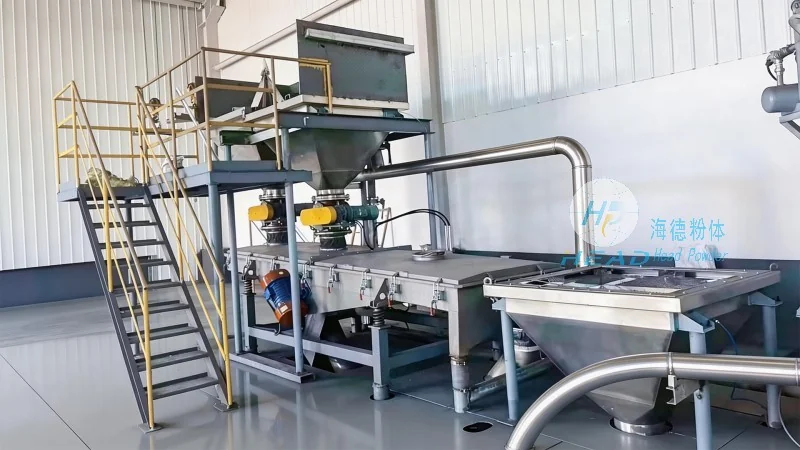
4. Moisture Control and Conditioning
Moisture content is a critical factor in preventing blockages in pneumatic conveying systems for ternary cathode materials. High moisture levels can cause the material to clump together, making it difficult to transport. HeadPowder suggests implementing moisture control measures, such as drying the material before feeding into the system or using desiccant systems to maintain low humidity levels. Additionally, conditioning the material by adding a small amount of fluidizing air or using a pre-drying step can improve its flowability and reduce the risk of agglomeration.
5. Material Mixing and Agglomeration Prevention
Proper mixing of the ternary cathode material with the conveying air is essential to prevent agglomeration. HeadPowder utilizes mixing devices, such as venturi mixers or static mixers, to ensure the material is evenly distributed in the air stream. These devices break up any agglomerates and maintain a consistent particle size distribution, which helps prevent blockages. Additionally, the use of anti-agglomerating agents or surfactants, as recommended by HeadPowder, can further improve the material's flowability and reduce the risk of agglomeration.
6. System Pressure and Pressure Drop Management
The pressure drop across the conveying system is a key indicator of system performance and potential blockages. Excessive pressure drop can indicate that the system is operating near its capacity or that blockages are occurring. HeadPowder monitors pressure drop continuously and adjusts the air flow rate or feed rate as needed to maintain optimal pressure levels. This proactive approach helps prevent sudden blockages and ensures the system operates efficiently.