

Application and Optimization of Pneumatic Conveying Technology in Quartz Sand Transport Design
HeadPowder, a leading engineering firm based in Shandong, China, specializes in the design and implementation of advanced pneumatic conveying systems tailored for quartz sand transport applications. This article explores the practical application and optimization strategies of such systems, highlighting the technical advantages and operational efficiency they offer in industrial settings.
Understanding Pneumatic Conveying Technology for Quartz Sand
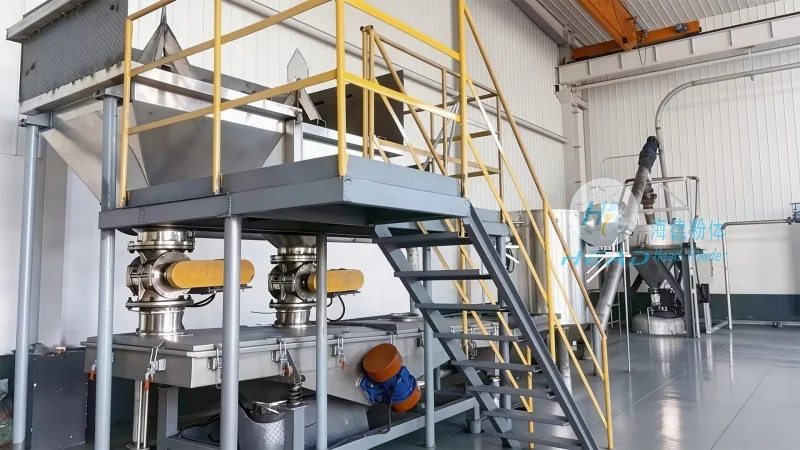
Pneumatic conveying is a method of transporting bulk materials like quartz sand through a pipeline using air or gas as the conveying medium. Unlike traditional mechanical systems, this technology offers several benefits, including reduced equipment wear, lower maintenance costs, and the ability to handle a wide range of particle sizes and moisture contents. For quartz sand, which is often used in glass manufacturing, construction, and other industrial processes, the efficiency of material transport directly impacts production quality and cost-effectiveness.
Key Components of a Quartz Sand Pneumatic Conveying System
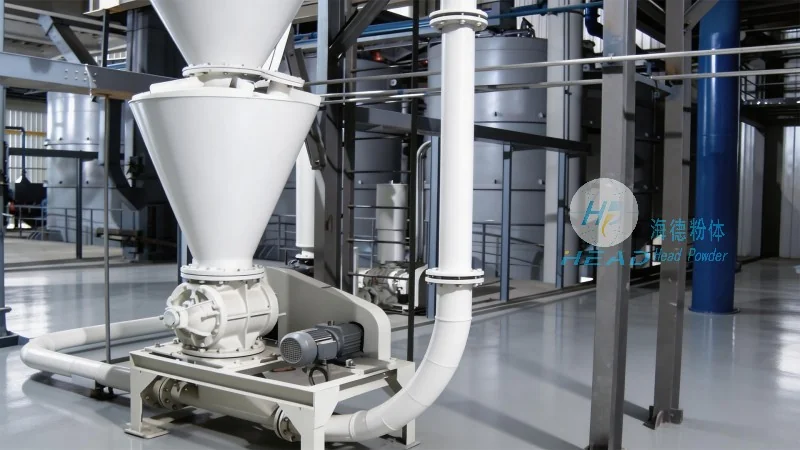
A typical pneumatic conveying system for quartz sand consists of several critical components that work in concert to ensure smooth material transport. These include the hopper or feed bin, which stores and feeds the sand into the system; the conveyor pipeline, which transports the material; the air compressor or blower, which provides the necessary air pressure; and the control system, which regulates the flow and pressure. Each component must be carefully selected and sized to match the specific characteristics of the quartz sand, such as particle size distribution, bulk density, and flowability.
Optimization Strategies for Efficient Quartz Sand Transport
Optimizing a pneumatic conveying system for quartz sand involves several key strategies aimed at maximizing efficiency and minimizing operational issues. One critical factor is the selection of the appropriate conveying method, such as dilute-phase or dense-phase transport, based on the material's properties and the distance to be covered. Dilute-phase systems, which use high air velocities to suspend particles, are suitable for short distances and low material loads, while dense-phase systems, which use lower air velocities and higher material concentrations, are ideal for longer distances and higher loads.
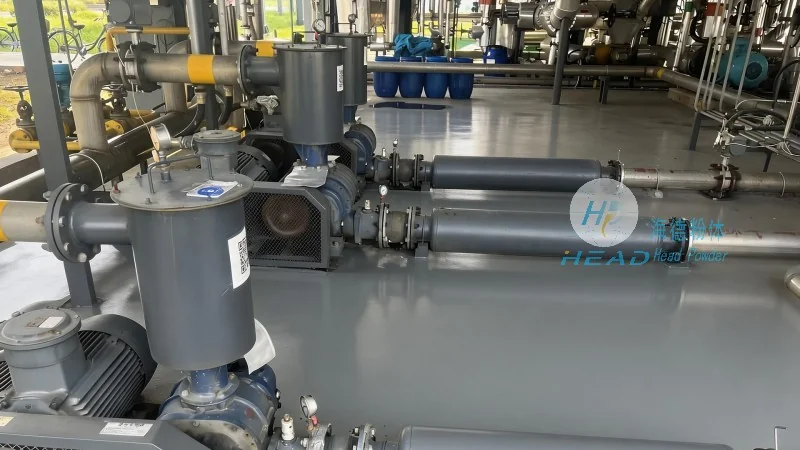
Another important optimization strategy is the design of the pipeline system, including the use of appropriate pipe diameters, bends, and fittings to minimize pressure losses and prevent material buildup or blockages. The control system plays a vital role in maintaining consistent air pressure and material flow, ensuring that the system operates within optimal parameters. Regular maintenance and monitoring of the system components are also essential to prevent downtime and ensure long-term reliability.
Benefits of Implementing Advanced Pneumatic Conveying Solutions
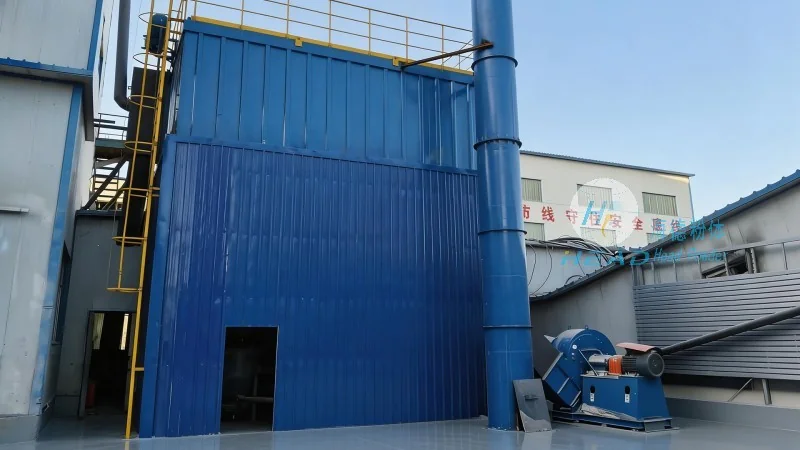
By adopting advanced pneumatic conveying technology for quartz sand transport, industrial facilities can achieve significant improvements in operational efficiency and cost savings. The reduced need for mechanical equipment and the lower maintenance requirements translate into lower operational costs over time. Additionally, the ability to handle various material characteristics and the flexibility in system design allow for customization to meet specific production needs. For quartz sand applications, this translates to improved product quality, reduced waste, and enhanced overall productivity.
Conclusion and Future Directions
HeadPowder Engineering Co., Ltd. provides comprehensive solutions for the design and optimization of pneumatic conveying systems for quartz sand transport. With a focus on technical expertise and customer-centric approaches, the company ensures that each system is tailored to meet the unique requirements of its clients. As industrial demands evolve, the continued development of advanced pneumatic conveying technologies will remain crucial in enhancing material handling efficiency and supporting sustainable industrial practices.