

Application and Optimization of Pneumatic Conveying Technology in Gypsum Transport Design
For industries dealing with gypsum, the selection of an efficient material handling system is critical to operational efficiency and cost-effectiveness. Pneumatic conveying technology has emerged as a versatile solution for transporting gypsum, offering advantages such as reduced equipment wear, improved safety, and the ability to handle a wide range of particle sizes. This article explores the application and optimization of pneumatic conveying systems specifically for gypsum transport, highlighting key considerations and best practices.
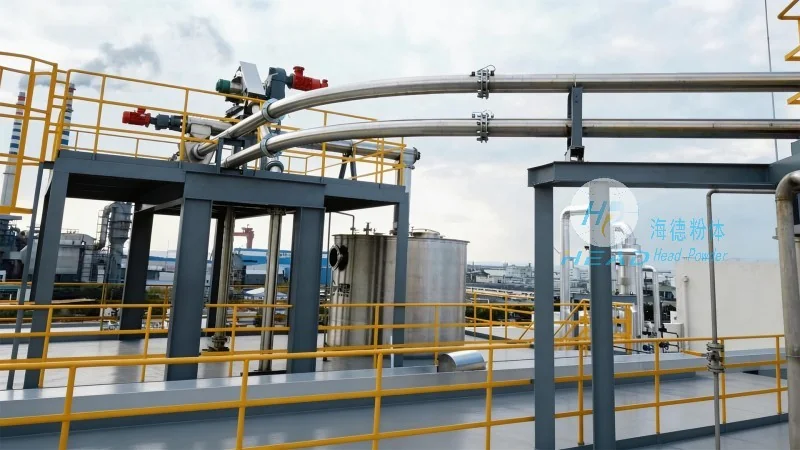
Understanding Gypsum and Its Handling Challenges
Gypsum, a common mineral used in construction materials like drywall and cement, presents unique challenges during transportation. Its fine, powdery nature can lead to issues like dust generation, clogging, and inefficient flow if not handled properly. Traditional methods like belt conveyors or bucket elevators may struggle with these characteristics, making pneumatic conveying a more suitable choice for many applications.
Pneumatic Conveying Technology: How It Works
Pneumatic conveying systems use air or gas to transport bulk materials through a pipeline. In the case of gypsum, these systems typically operate in either pressure or vacuum modes. Pressure systems push material using compressed air, while vacuum systems pull material using a vacuum pump. The choice between these modes depends on factors like the distance, elevation changes, and the specific properties of the gypsum being transported.
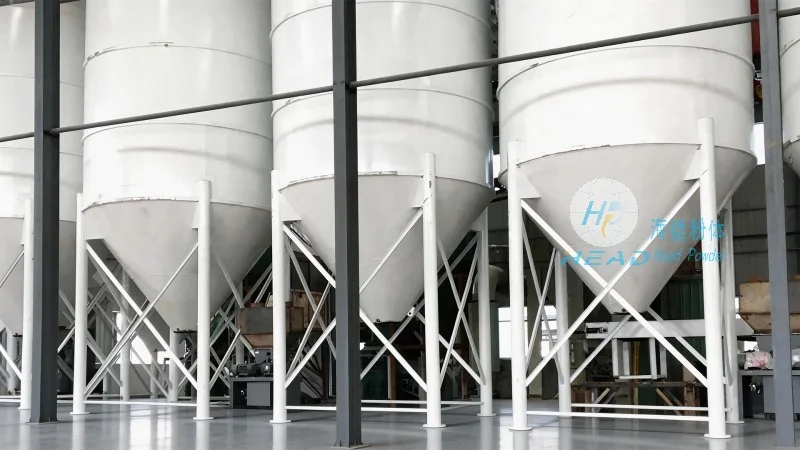
Key Components of a Gypsum Pneumatic Conveying System
A well-designed pneumatic conveying system for gypsum includes several essential components. These typically consist of a hopper or feeder to control the material flow, a conveying line (often made of stainless steel or other corrosion-resistant materials to handle gypsum's chemical properties), a dust collector to manage airborne particles, and a control system to regulate air pressure and flow. Each component plays a crucial role in ensuring the system operates efficiently and safely.
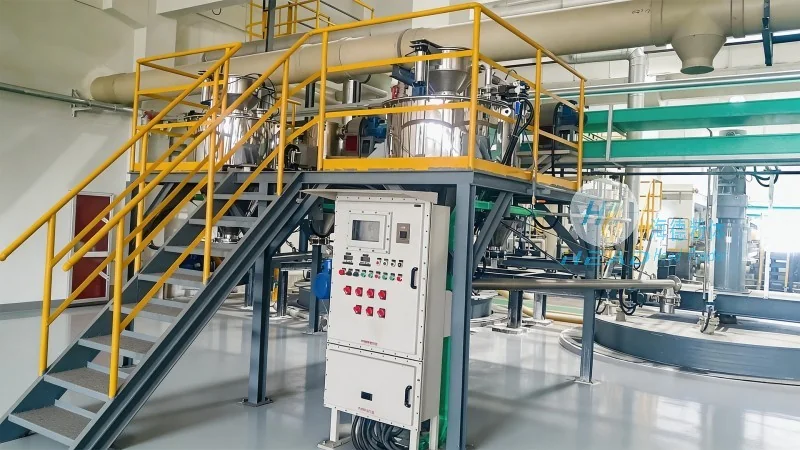
Optimizing Gypsum Transport with Pneumatic Conveying
Optimization of pneumatic conveying systems for gypsum involves several strategies. One key approach is selecting the appropriate air velocity and pressure to maintain consistent material flow without causing excessive wear on the system components. Another is ensuring proper line sizing and layout to minimize pressure drop and energy consumption. Additionally, regular maintenance and monitoring of the system's performance help identify and address issues before they lead to downtime.
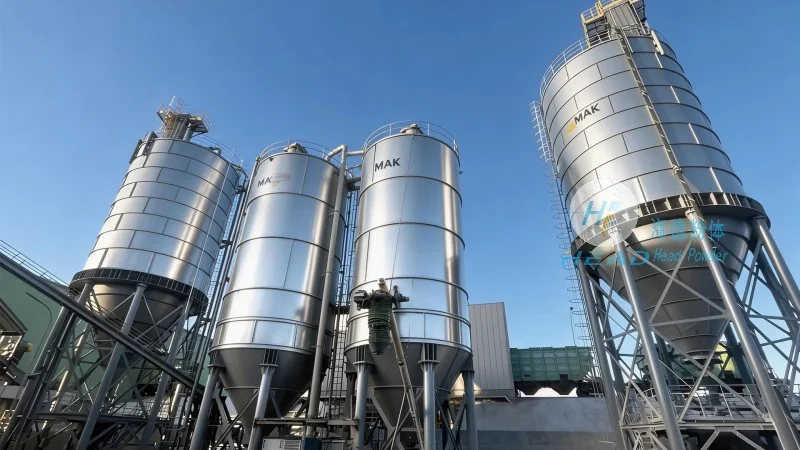
Case Study: Successful Implementation by Shandong HeadPowder Engineering Co., Ltd.
Shandong HeadPowder Engineering Co., Ltd., a leading provider of material handling solutions, has successfully implemented pneumatic conveying systems for gypsum transport in various industrial settings. By leveraging their expertise in system design and optimization, the company has helped clients improve their operational efficiency, reduce material loss, and enhance overall safety. For example, one client, a gypsum processing plant, reported a 30% reduction in energy consumption and a significant decrease in dust emissions after upgrading to a customized pneumatic conveying system.
Conclusion: The Future of Gypsum Transport
As the demand for gypsum continues to grow, the importance of efficient and reliable material handling systems becomes increasingly critical. Pneumatic conveying technology, when properly applied and optimized, offers a robust solution for transporting gypsum while addressing the unique challenges associated with this material. By investing in well-designed pneumatic conveying systems and leveraging the expertise of companies like Shandong HeadPowder Engineering Co., Ltd., industries can enhance their productivity and sustainability in gypsum processing.