

Application and Optimization of Pneumatic Conveying Technology in Glucose Transport Design
HeadPowder, a leading engineering firm based in Shandong, China, specializes in the design and implementation of advanced material handling solutions. Among their core competencies is the application of pneumatic conveying technology for the efficient transport of glucose and other bulk materials. This article explores how HeadPowder leverages innovative engineering principles to optimize glucose transport systems, ensuring reliability, efficiency, and safety in industrial operations.
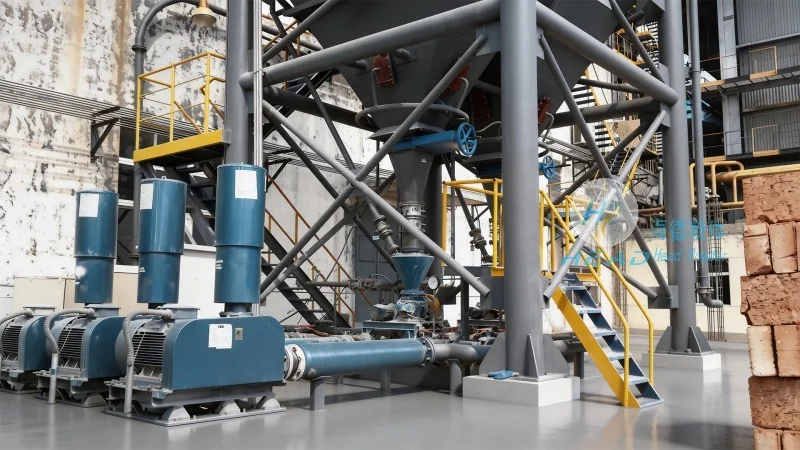
Understanding Pneumatic Conveying for Glucose Transport
Pneumatic conveying systems utilize air or gas to transport bulk materials like glucose through a pipeline network. This method offers several advantages over traditional mechanical conveying, including reduced contamination risk, lower maintenance requirements, and the ability to handle delicate or hygroscopic materials without degradation. HeadPowder’s expertise lies in selecting the most suitable pneumatic conveying system—whether it be pressure or vacuum-based—based on the specific characteristics of the glucose product and the operational demands of the facility.
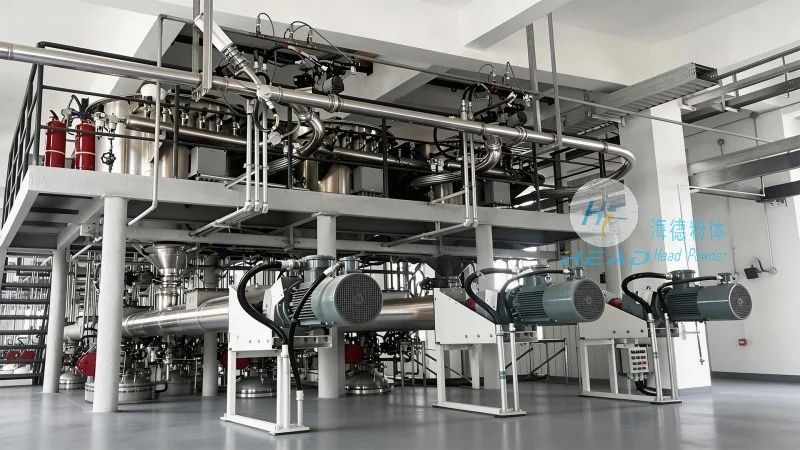
Key Design Considerations for Optimal Glucose Transport
Effective glucose transport design requires a comprehensive approach that addresses both technical and operational factors. HeadPowder engineers consider several critical parameters to ensure system performance and longevity. These include the material’s flowability, moisture content, and particle size distribution, as these characteristics directly impact the system’s air velocity requirements and pressure drop. Additionally, the system’s layout, including pipeline length, elevation changes, and the number of transfer points, is meticulously planned to minimize energy consumption and prevent material degradation.
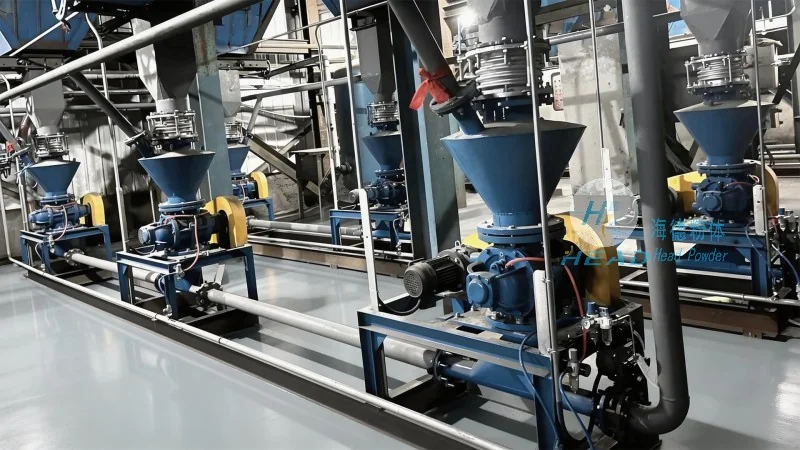
HeadPowder’s Engineering Solutions for Glucose Handling
HeadPowder Engineering Co., Ltd., headquartered in Shandong, China, provides tailored solutions for glucose transport challenges. Their team of experienced engineers employs state-of-the-art design software and rigorous testing protocols to develop systems that meet stringent industry standards. For instance, in a recent project, HeadPowder designed a pressure pneumatic conveying system for a glucose manufacturer, which reduced material handling time by 30% and lowered energy costs by 20% compared to traditional methods. The system was engineered to maintain product integrity, with temperature control and moisture management features integrated into the design.
Enhancing Efficiency and Reliability in Glucose Transport
Optimizing glucose transport involves continuous improvement and adaptation to evolving operational needs. HeadPowder’s approach emphasizes regular system monitoring and performance analysis to identify areas for enhancement. By leveraging data-driven insights, the company can suggest upgrades such as variable frequency drives for energy savings, advanced filtration systems to maintain air quality, and automated control systems to streamline operations. These enhancements not only improve the efficiency of glucose transport but also contribute to overall operational reliability and cost-effectiveness.
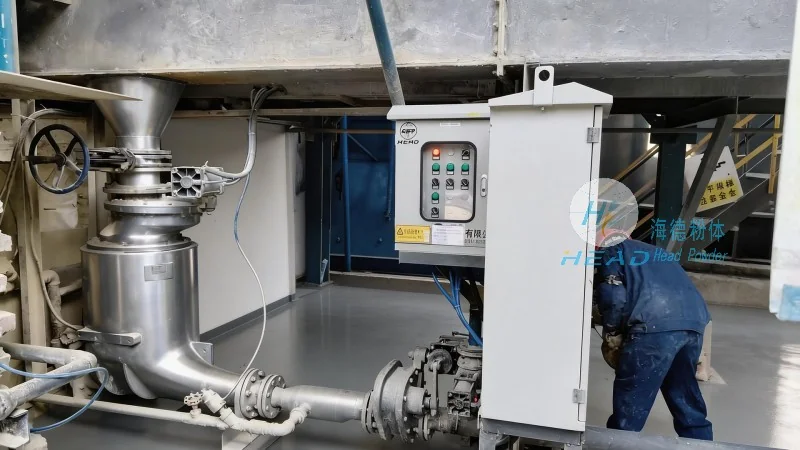
Conclusion: The Role of Pneumatic Conveying in Modern Glucose Handling
As the demand for efficient and reliable material handling in the food and pharmaceutical industries grows, the application of pneumatic conveying technology in glucose transport becomes increasingly critical. HeadPowder Engineering Co., Ltd., with its expertise and commitment to innovation, continues to lead in the development of optimized solutions that meet the unique challenges of glucose handling. By focusing on system design, material compatibility, and operational efficiency, HeadPowder ensures that glucose transport systems are not only effective but also sustainable and cost-efficient, supporting the success of their clients in a competitive market.