

Application and Optimization of Pneumatic Conveying Technology in Peanut Kernels Transport Design
Pneumatic conveying technology has emerged as a pivotal solution for the efficient and reliable transport of peanut kernels in industrial settings. This method leverages air pressure to move bulk materials, offering advantages such as reduced mechanical wear, improved hygiene, and enhanced safety compared to traditional methods like belt conveyors or bucket elevators. For companies dealing with peanut kernels, selecting the right pneumatic conveying system is crucial for optimizing production efficiency and maintaining product quality.
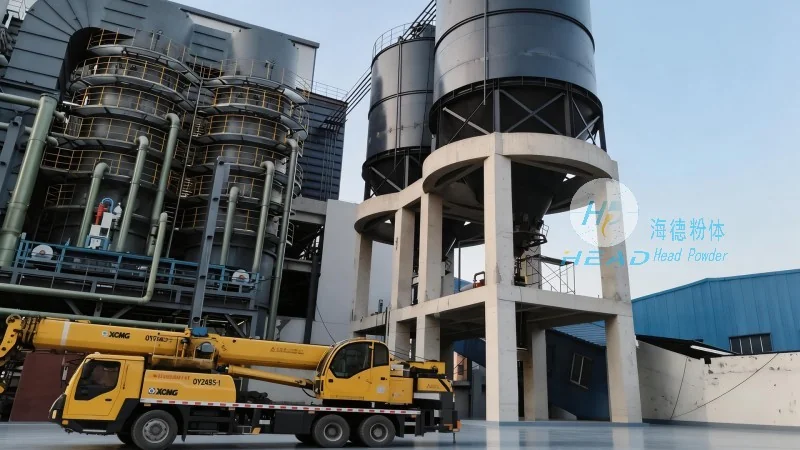
Company Profile: Shandong HeadPowder Engineering Co., Ltd.
HeadPowder, a leading engineering firm based in Shandong, China, specializes in the design, manufacturing, and installation of advanced material handling systems. With a strong focus on customized solutions tailored to the unique needs of the food processing industry, HeadPowder has established itself as a trusted partner for businesses seeking to enhance their peanut kernels transport operations. The company's expertise spans from initial system design and engineering to on-site installation and commissioning, ensuring that each project meets the highest standards of performance and compliance.
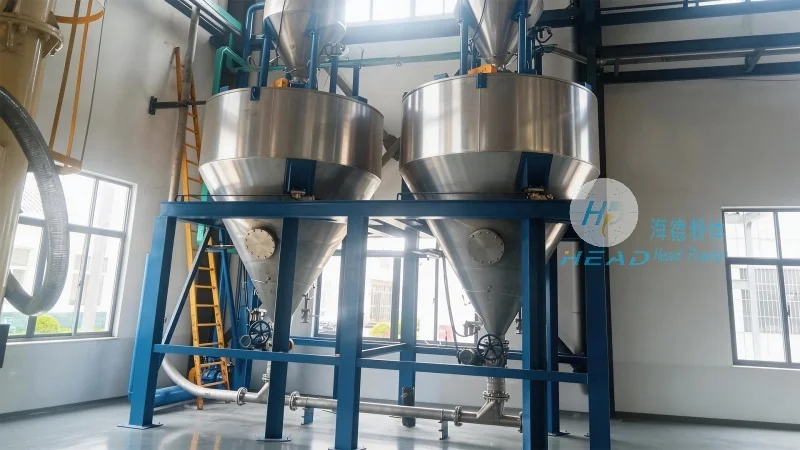
Technical Application of Pneumatic Conveying in Peanut Kernels Handling
When applied to peanut kernels, pneumatic conveying systems operate by creating a pressure differential that propels the material through a network of pipes. This process is particularly effective for handling delicate or dusty products like peanut kernels, as it minimizes physical contact and reduces the risk of contamination. The system typically includes components such as a hopper, air compressor, filter, and discharge valve, all working in tandem to ensure smooth material flow. For peanut kernels, which are often used in food processing applications, maintaining product integrity is paramount. Pneumatic conveying systems can be configured to handle various particle sizes and moisture levels, making them versatile for different processing stages, from raw material reception to packaging.
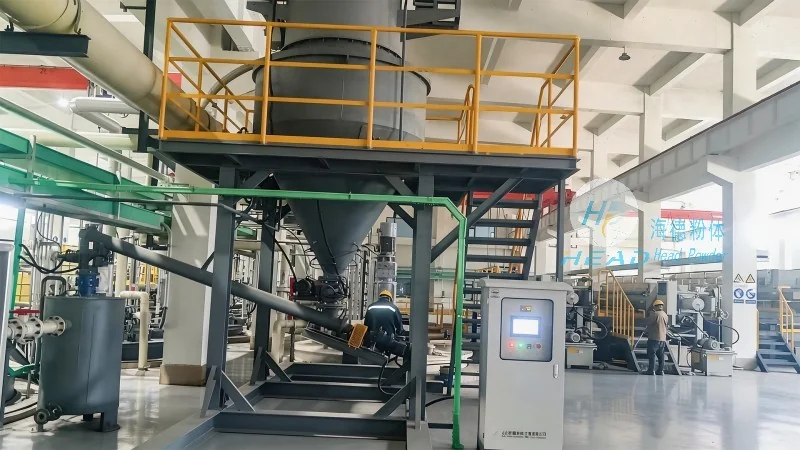
Optimization Strategies for Efficient Peanut Kernels Transport Systems
Optimizing pneumatic conveying systems for peanut kernels involves several key considerations. First, the selection of the appropriate conveying type—such as dilute phase or dense phase—is critical. Dilute phase systems are ideal for long-distance transport with low material concentrations, while dense phase systems are better suited for short distances or when higher material density is required. Another crucial factor is the air velocity and pressure settings, which must be adjusted to prevent material degradation or blockages. HeadPowder employs advanced simulation tools to model system performance, allowing for precise tuning of these parameters to achieve optimal efficiency. Additionally, regular maintenance and monitoring of system components, such as filters and air compressors, are essential to prevent downtime and ensure consistent operation. By integrating these optimization strategies, businesses can significantly reduce operational costs and improve overall productivity in peanut kernels transport.