

Application and Optimization of Pneumatic Conveying Technology in Biomass Handling Design
HeadPowder, a leading engineering firm based in Shandong, China, specializes in advanced material handling solutions, particularly in the application of pneumatic conveying technology for biomass processing. This article explores the practical implementation and optimization strategies of pneumatic conveying systems in biomass handling design, highlighting the technical advantages and operational efficiencies that such systems offer.
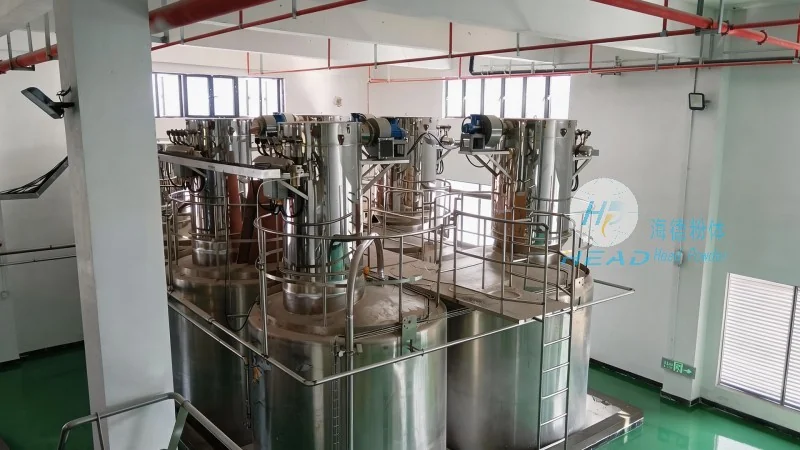
Understanding Pneumatic Conveying Technology for Biomass
Pneumatic conveying, or air-based material transport, is a method that uses pressurized or suction air to move bulk materials like biomass through a pipeline. Biomass, which includes materials such as wood chips, agricultural residues, and other organic feedstocks, presents unique challenges in handling due to its variability in size, moisture content, and flowability. Traditional methods like belt conveyors or screw conveyors may struggle with these characteristics, leading to issues like blockages, material degradation, and inefficiencies. Pneumatic conveying systems, however, are designed to address these challenges by providing a flexible, enclosed transport solution that minimizes material exposure to the environment and reduces the risk of contamination.
The Role of HeadPowder in Biomass Handling Solutions
Shandong HeadPowder Engineering Co., Ltd., commonly known as HeadPowder, leverages its expertise in mechanical engineering and material science to develop customized pneumatic conveying systems tailored to the specific needs of biomass processing facilities. The company’s approach involves a comprehensive analysis of the client's operational requirements, including the type and quantity of biomass, the desired transport distance, and the required processing speed. By integrating state-of-the-art components such as high-efficiency blowers, specialized hopper designs, and advanced control systems, HeadPowder ensures that each system is optimized for maximum performance and reliability.
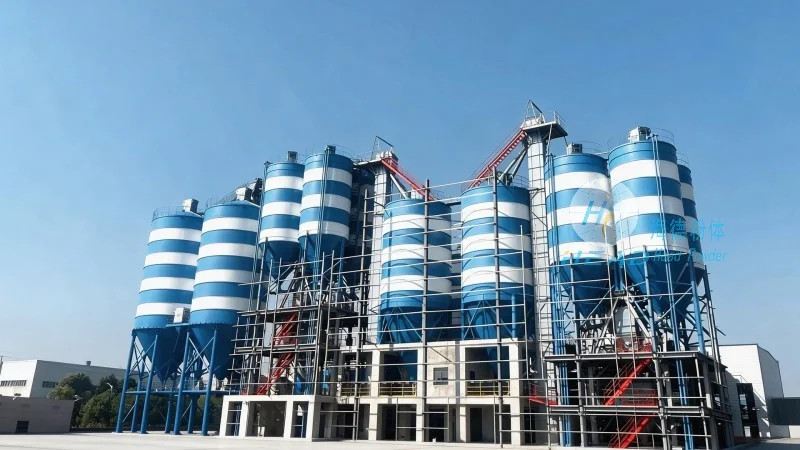
Key Components and Design Considerations
A pneumatic conveying system for biomass typically consists of several critical components. The primary driver is the blower or compressor, which generates the necessary air pressure to move the material. The hopper or feeder is responsible for feeding the biomass into the pipeline, and its design must accommodate the material's bulk density and flow characteristics. The pipeline itself is often made of corrosion-resistant materials like stainless steel or polyethylene to withstand the abrasive nature of biomass and prevent clogging. Additionally, the system may include features like cyclone separators or filters to separate the conveyed material from the air stream, ensuring that the biomass is delivered in a clean, dry state. HeadPowder engineers carefully select and configure these components to achieve optimal flow rates, minimize energy consumption, and maintain system longevity.
Optimization Strategies for Biomass Handling
Optimizing a pneumatic conveying system for biomass involves several key strategies. One of the most critical is the selection of the appropriate conveying velocity and pressure. Too low a velocity may lead to material deposition and blockages, while too high a velocity can increase energy costs and cause wear on system components. HeadPowder employs computational fluid dynamics (CFD) simulations and field testing to determine the optimal operating parameters for each application. Another important consideration is the system's layout and the number of bends or turns in the pipeline. Properly designed bends with minimal pressure drop are essential to maintain consistent flow and prevent material separation. The company also emphasizes the importance of regular maintenance and monitoring, using sensors to detect changes in pressure, flow rate, or temperature that may indicate system issues.
Benefits of Implementing Pneumatic Conveying in Biomass Processing
The adoption of pneumatic conveying technology in biomass handling offers numerous benefits for industrial operations. Firstly, it provides a highly efficient and continuous transport method, reducing downtime and increasing overall productivity. Unlike mechanical conveyors that may require frequent maintenance or cleaning, pneumatic systems are enclosed, minimizing the risk of material spillage and contamination. This is particularly important for biomass, which is often used in applications like biofuel production, where purity is critical. Secondly, pneumatic conveying systems are flexible and can be easily integrated with existing processing equipment, allowing for seamless expansion or modification of the facility. Thirdly, by reducing the need for manual handling and material handling equipment, the system enhances workplace safety and reduces labor costs. Finally, the energy efficiency of modern pneumatic conveying systems, combined with optimized design, can lead to significant cost savings over the system's lifespan.
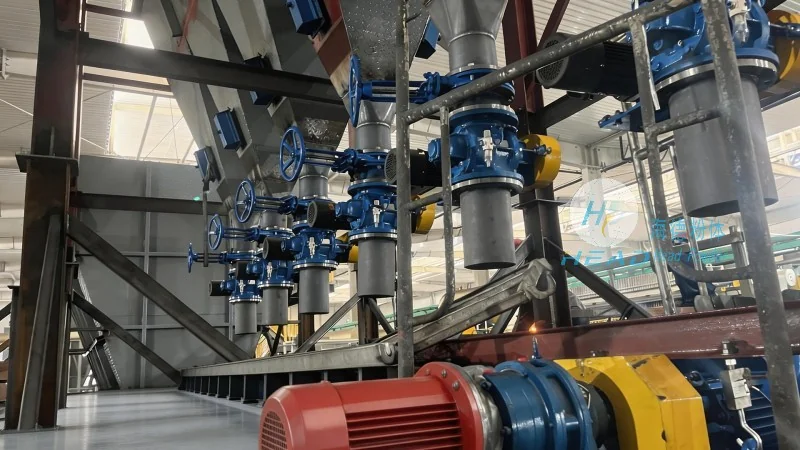
Case Studies and Real-World Applications
HeadPowder has successfully implemented pneumatic conveying systems in various biomass processing facilities across China and beyond. For example, a biofuel plant in Shandong utilized a high-capacity pneumatic system to transport wood chips from storage silos to a gasification unit. The system, designed by HeadPowder, was optimized for a conveying distance of 200 meters and a throughput of 50 tons per hour. The result was a 20% increase in production efficiency and a 15% reduction in energy consumption compared to the previous mechanical conveyor system. Another project involved a agricultural residue processing plant, where HeadPowder designed a suction-based pneumatic system to handle straw and other dry biomass. The system's ability to handle low-density materials and its low maintenance requirements made it an ideal solution for the facility.
Conclusion and Future Directions
Pneumatic conveying technology remains a vital component in the efficient and sustainable handling of biomass materials. As the demand for renewable energy sources and bio-based products grows, the need for reliable and optimized material transport systems becomes increasingly important. HeadPowder, with its commitment to innovation and customer-centric solutions, continues to lead the way in developing advanced pneumatic conveying systems for biomass processing. By focusing on customized design, rigorous optimization, and ongoing support, the company ensures that its clients achieve the highest levels of performance, efficiency, and sustainability in their biomass handling operations.