

Application and Optimization of Pneumatic Conveying Technology in Rubber Granule Conveying Design
HeadPowder, a leading engineering firm based in Shandong, China, specializes in advanced material handling solutions. The company's expertise lies in optimizing pneumatic conveying systems for the efficient transport of rubber granules, a critical component in various industrial applications. This article explores the application and optimization strategies for pneumatic conveying technology in rubber granule handling, highlighting the technical advancements and practical benefits that enhance operational efficiency.
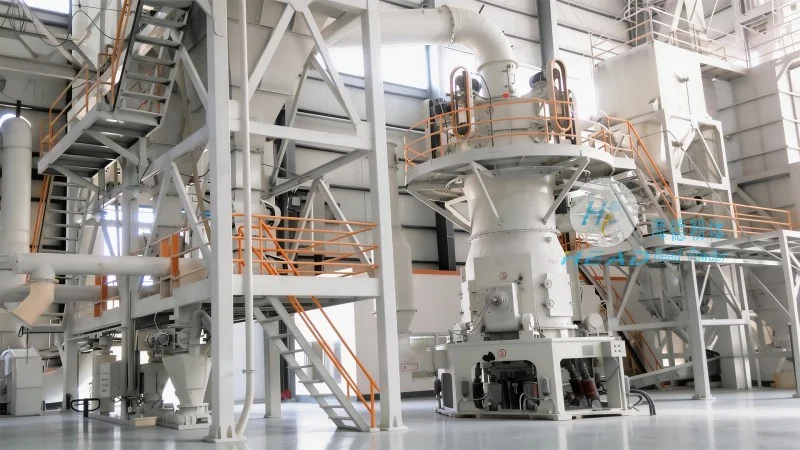
Understanding Pneumatic Conveying in Rubber Granule Transport
Pneumatic conveying, or air-based material transport, involves the use of compressed air to move bulk materials like rubber granules through a pipeline system. This method offers several advantages over traditional mechanical conveying, including reduced equipment wear, lower maintenance costs, and the ability to handle materials with varying particle sizes and moisture content. For rubber granules, which are often used in applications such as sports surfaces, playgrounds, and industrial flooring, the efficiency of material transport directly impacts production quality and safety. HeadPowder's engineering solutions focus on designing systems that ensure consistent flow rates, minimal material degradation, and compliance with industry standards.
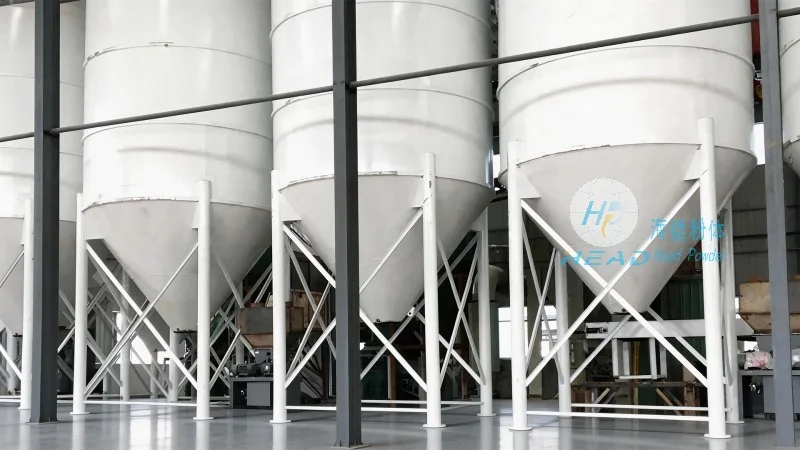
Key Components and System Design Considerations
The success of a pneumatic conveying system for rubber granules depends on the integration of several key components. These include the air compressor, which provides the necessary pressure to move materials; the hopper or feed device, which controls the material flow into the system; and the pipeline network, which transports the granules from the source to the destination. HeadPowder engineers consider factors such as the specific gravity of rubber granules, their particle size distribution, and the desired conveying distance when designing the system. For example, in long-distance conveying, a combination of positive and negative pressure zones may be employed to maintain optimal air velocity and prevent material settling. The company also emphasizes the use of high-quality materials for the pipeline and components to withstand the abrasive nature of rubber granules, ensuring durability and long-term performance.
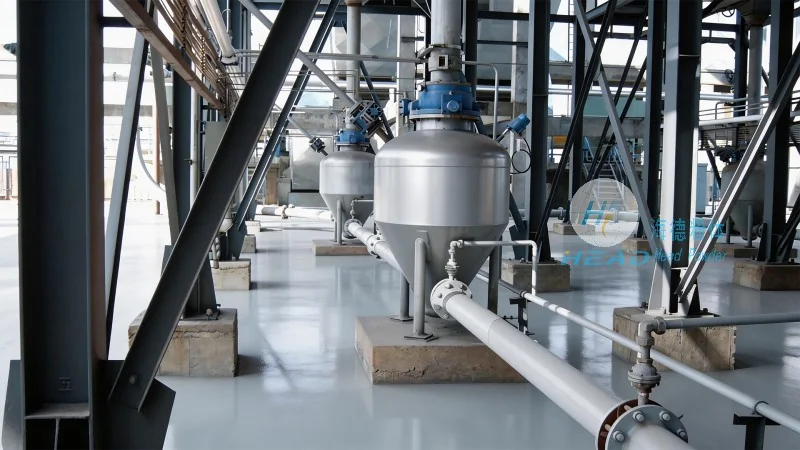
Optimization Strategies for Enhanced Performance
Optimizing pneumatic conveying systems for rubber granules involves a combination of technical adjustments and operational best practices. HeadPowder employs advanced simulation tools to model system performance under different conditions, allowing for precise adjustments to air pressure, flow rates, and pipeline configuration. This approach helps minimize energy consumption while maximizing material throughput. Additionally, the company recommends regular maintenance schedules, including cleaning of filters and checking for air leaks, to maintain system efficiency. By implementing these optimization strategies, rubber processing facilities can achieve significant improvements in production speed, material quality, and overall operational costs. The result is a more reliable and cost-effective material handling solution that meets the demands of modern industrial applications.
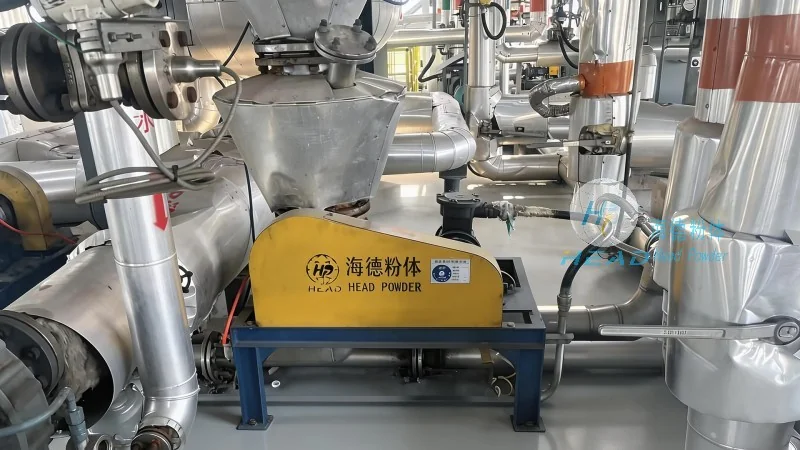
Conclusion and Company Expertise
HeadPowder Engineering Co., Ltd., located in Shandong, China, remains at the forefront of developing and optimizing pneumatic conveying technologies for rubber granule transport. With a focus on tailored solutions that address the unique challenges of each application, the company provides comprehensive engineering services, from system design and installation to ongoing support and maintenance. By leveraging advanced technology and industry expertise, HeadPowder ensures that its clients achieve efficient, reliable, and cost-effective material handling systems. The company's commitment to quality and innovation continues to drive advancements in pneumatic conveying for rubber granules, supporting the growth and success of industries that rely on these materials.