

Application and Optimization of Pneumatic Conveying Technology in Mineral Particle Transport Design
HeadPowder, a leading engineering firm based in Shandong, China, specializes in the application and optimization of pneumatic conveying systems for mineral particle transport. Pneumatic conveying technology has become a critical solution in the mineral processing industry, offering efficient and reliable methods to handle bulk materials like minerals, powders, and granules. This technology involves transporting solid particles through a pipeline using air or gas as the conveying medium, which is particularly advantageous for applications requiring long-distance, high-volume, or dusty material handling.
Key Applications in Mineral Particle Transport
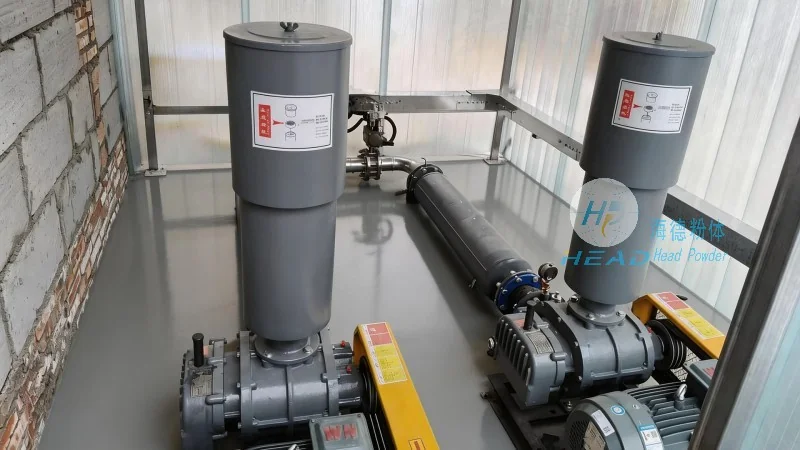
HeadPowder's expertise lies in designing customized pneumatic conveying systems tailored to the specific needs of mineral processing operations. These systems are widely used in various stages of mineral extraction and processing, including ore crushing, grinding, classification, and final product packaging. For instance, in the mining sector, pneumatic conveyors are employed to transport crushed ore from the mine site to processing plants, ensuring a continuous and efficient flow of materials. In mineral processing plants, they facilitate the movement of fine powders and granules between different processing units, such as from grinding mills to classifiers or from storage silos to packaging lines. The technology is also beneficial in handling abrasive or corrosive minerals, as it minimizes material wear and reduces the risk of contamination compared to traditional mechanical conveyors.
Design Considerations and Optimization Strategies
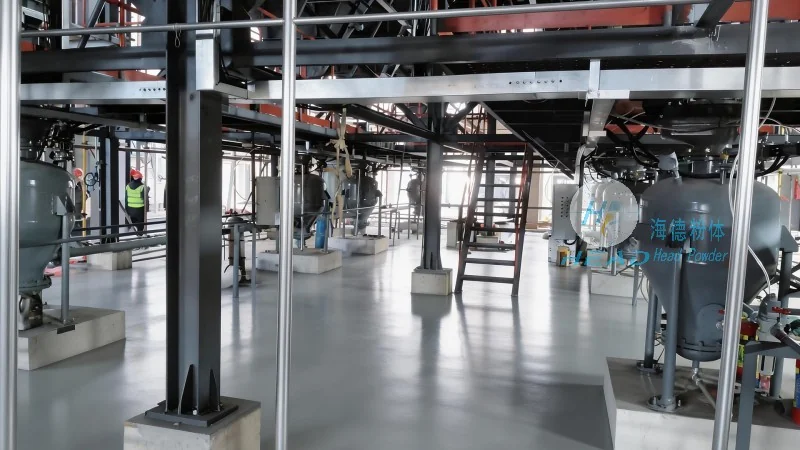
The success of pneumatic conveying systems in mineral particle transport heavily depends on proper design and optimization. HeadPowder employs advanced engineering principles to ensure that each system is tailored to the unique characteristics of the mineral being transported. Key design considerations include the particle size distribution, density, and moisture content of the material, as these factors directly impact the conveying velocity and pressure requirements. The system design also considers the pipeline layout, including the number of bends, vertical and horizontal sections, and the overall length, to minimize energy consumption and maximize material throughput. HeadPowder utilizes computational fluid dynamics (CFD) and other simulation tools to model the flow behavior of particles in the conveying system, allowing for precise optimization of the system parameters. This approach ensures that the system operates at peak efficiency, reducing operational costs and enhancing overall productivity.
Advantages of Pneumatic Conveying Over Traditional Methods
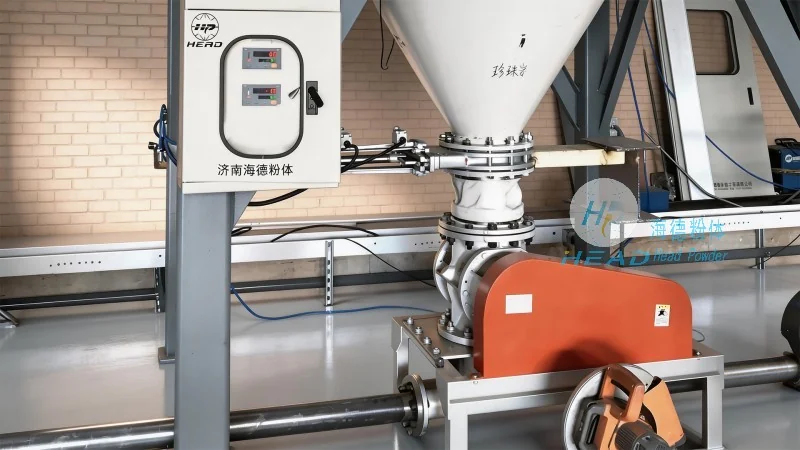
Compared to traditional mechanical conveyors like belt conveyors or screw conveyors, pneumatic conveying offers several distinct advantages in mineral particle transport. One of the primary benefits is the ability to handle a wide range of particle sizes and shapes, including fine powders and irregularly shaped granules, which are often difficult to transport using mechanical systems. Pneumatic conveyors also provide a dust-free environment, which is crucial for maintaining air quality and ensuring compliance with environmental regulations in mineral processing facilities. Additionally, they can transport materials over longer distances with fewer intermediate transfer points, reducing the need for additional equipment and simplifying the overall process flow. The systems are also more flexible, allowing for easy reconfiguration or expansion as the processing needs evolve. HeadPowder's optimized pneumatic conveying solutions leverage these advantages to deliver superior performance and reliability in mineral particle transport applications.
Case Studies and Real-World Applications
HeadPowder has successfully implemented pneumatic conveying systems in numerous mineral processing projects across China and beyond. For example, in a copper mining operation in Shandong, the company designed a high-capacity pneumatic conveyor to transport crushed copper ore from the mine to the processing plant. The system was optimized to handle the high abrasiveness of the ore, ensuring minimal wear on the pipeline and components. The result was a significant reduction in operational costs and an increase in production efficiency. Another case involved a limestone processing plant, where HeadPowder installed a pneumatic conveying system to transport fine limestone powder from storage silos to the grinding mills. The system's ability to handle fine powders without clogging or degradation was critical to the plant's smooth operation. These real-world applications demonstrate the effectiveness of HeadPowder's pneumatic conveying technology in optimizing mineral particle transport processes.
Future Trends and Continuous Improvement
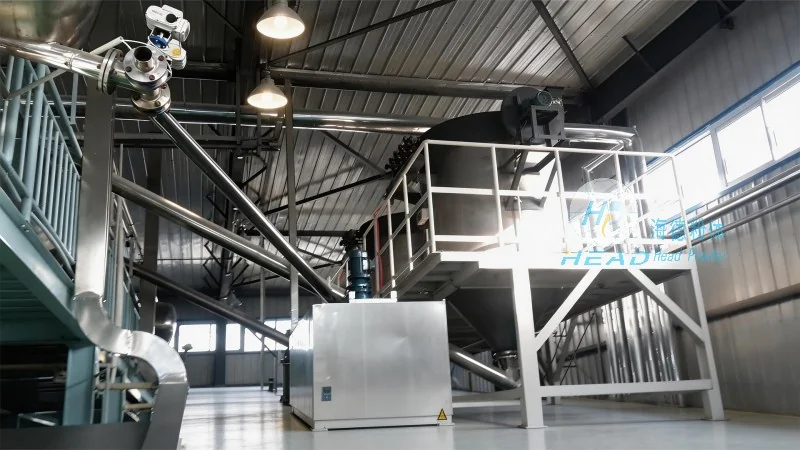
As the mineral processing industry continues to evolve, the demand for efficient and sustainable material handling solutions remains high. HeadPowder remains committed to staying at the forefront of pneumatic conveying technology, continuously researching and developing new solutions to meet the evolving needs of its clients. The company invests in research and development to improve system efficiency, reduce energy consumption, and enhance the reliability of pneumatic conveying systems. This includes exploring advanced materials for pipeline construction, optimizing control systems for better performance, and integrating automation technologies to improve operational oversight. By focusing on continuous improvement, HeadPowder ensures that its clients benefit from the latest advancements in pneumatic conveying technology, enabling them to achieve higher productivity and lower operational costs in their mineral particle transport operations.