

Efficient Pneumatic Conveying Solutions for Seaweed Residue Particle Transport
Seaweed residue, a byproduct of marine biomass processing, presents unique challenges when it comes to material handling and transport. The granular nature of this waste, combined with its moisture content and potential for dust generation, makes traditional bulk transport methods inefficient and often environmentally unfriendly. In response to these industry needs, advanced pneumatic conveying systems have emerged as a reliable and effective solution for transporting seaweed residue particles. This article explores how such systems address the specific challenges associated with seaweed residue transport, highlighting the technical advantages and practical applications of these technologies.
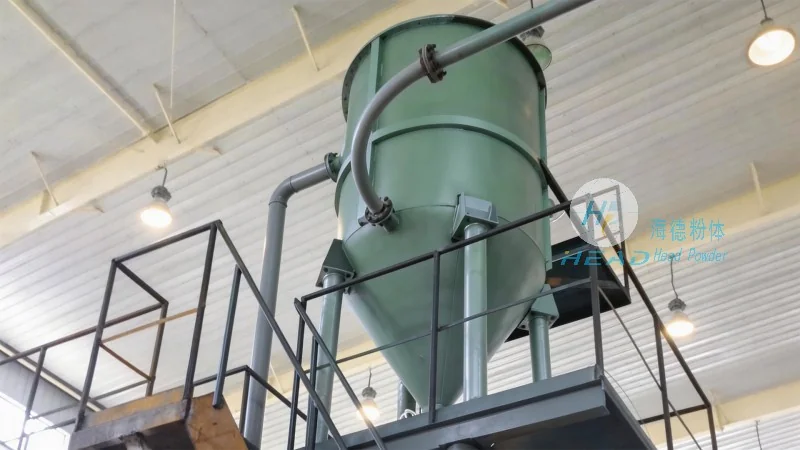
Understanding the Challenges of Seaweed Residue Transport
When processing seaweed, facilities often generate a fine, dry or slightly moist granular material that is difficult to handle using conventional methods like belt conveyors or trucks. These residues can be abrasive and may contain moisture that leads to caking or clumping, further complicating transport. Traditional solutions, such as manual handling or open-air transport, not only increase labor costs but also pose environmental risks due to dust emissions and potential contamination of surrounding areas. The need for a more efficient, hygienic, and sustainable transport method has driven the development of specialized pneumatic conveying systems tailored to the characteristics of seaweed residue.
Pneumatic Conveying Technology: How It Works
Pneumatic conveying systems utilize air or gas to transport bulk materials through a pipeline network. In the context of seaweed residue, these systems typically employ positive displacement or pressure-assisted designs to ensure reliable and consistent material movement. The process involves feeding the seaweed residue into a hopper, where it is then drawn into a conveying line by a vacuum or pressure source. As the material travels through the pipeline, it is suspended and propelled by the moving air, allowing for seamless transport over long distances without the need for intermediate transfer points or manual intervention. This technology effectively overcomes the challenges of particle size, moisture content, and abrasiveness that are common in seaweed residue, providing a clean and efficient transport solution.
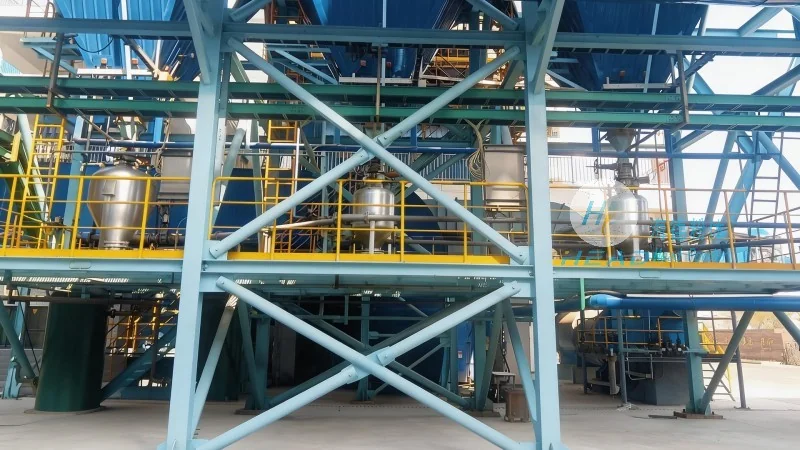
Key Advantages of Pneumatic Conveying for Seaweed Residue
Implementing pneumatic conveying systems for seaweed residue offers several significant benefits. First, it enhances operational efficiency by reducing downtime and labor costs associated with manual handling. The automated process ensures consistent material flow, minimizing the risk of bottlenecks or material loss. Second, these systems provide a hygienic and enclosed transport environment, which is crucial for maintaining product quality and preventing contamination. Unlike open-air methods, pneumatic conveying prevents dust and moisture from escaping into the environment, aligning with environmental regulations and sustainability goals. Third, the technology allows for flexible and scalable transport solutions, accommodating varying production volumes and distances. Whether transporting seaweed residue to storage facilities, processing plants, or disposal sites, the system can be customized to meet specific operational requirements.
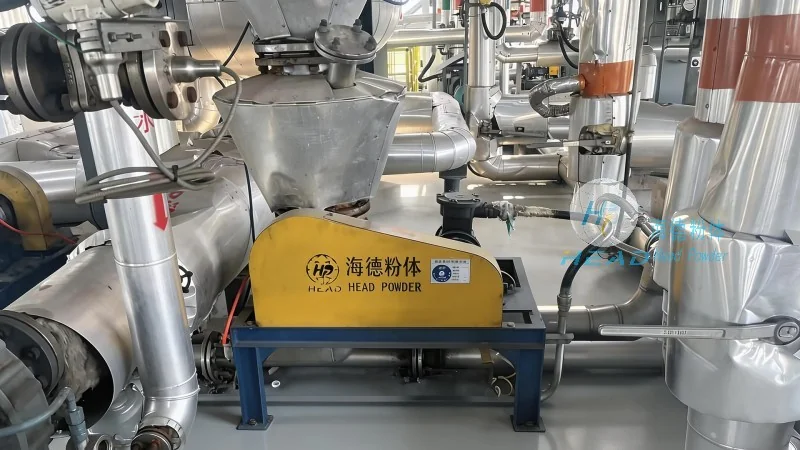
Customized Solutions from HeadPowder
Shandong HeadPowder Engineering Co., Ltd., a leading provider of bulk material handling solutions, specializes in designing and manufacturing pneumatic conveying systems tailored to the unique needs of seaweed residue processing facilities. With years of experience in the engineering and manufacturing of advanced material transport technologies, HeadPowder offers comprehensive solutions that address the specific challenges of seaweed residue transport. The company’s expertise lies in integrating state-of-the-art components, such as high-efficiency blowers, durable pipeline materials, and advanced control systems, to ensure reliable and efficient operation. HeadPowder’s systems are designed to handle the varying characteristics of seaweed residue, including different particle sizes, moisture levels, and abrasive properties, ensuring optimal performance and longevity. By partnering with HeadPowder, facilities can benefit from customized solutions that enhance productivity, reduce operational costs, and improve overall sustainability in their seaweed residue management processes.
Conclusion: The Future of Seaweed Residue Transport
As the demand for sustainable marine biomass processing increases, the need for efficient and environmentally friendly transport solutions becomes paramount. Pneumatic conveying systems, particularly those tailored to seaweed residue characteristics, offer a robust and reliable approach to addressing the challenges of material handling in this industry. By leveraging advanced technology and expert engineering, companies like Shandong HeadPowder Engineering Co., Ltd. are providing innovative solutions that not only improve operational efficiency but also contribute to a more sustainable and responsible approach to seaweed residue management. The adoption of such systems is a critical step toward optimizing the entire seaweed processing workflow, ensuring that the valuable resources derived from marine biomass are handled with precision and care.