

How to Prevent Dust Leakage in Pneumatic Conveying Systems When Transporting Silica Sand
When operating pneumatic conveying systems to transport silica sand, ensuring a dust-free environment is crucial for both operational efficiency and workplace safety. Silica sand, with its fine particles and abrasive properties, poses unique challenges in maintaining system integrity and preventing dust leakage. This guide from Shandong HeadPowder Engineering Co., Ltd. (HeadPowder) explores effective strategies and best practices to mitigate dust leakage issues in such systems.
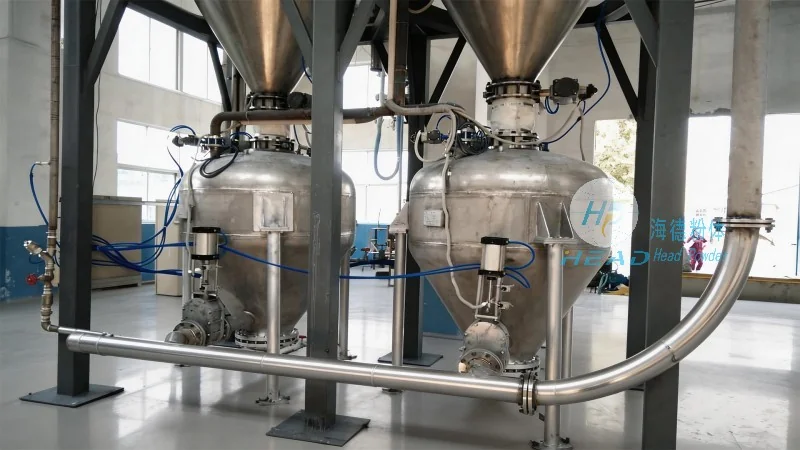
The Importance of Dust Control in Silica Sand Conveying
Silica sand, a common raw material in industries like glass manufacturing, foundry, and construction, is characterized by its high particle fineness and low bulk density. These properties make it highly susceptible to generating airborne dust during handling and transportation. Dust leakage not only leads to product loss and environmental contamination but also poses health risks to personnel, as silica dust is a known respiratory hazard. Therefore, implementing robust dust control measures is essential for maintaining system performance and compliance with occupational health standards.
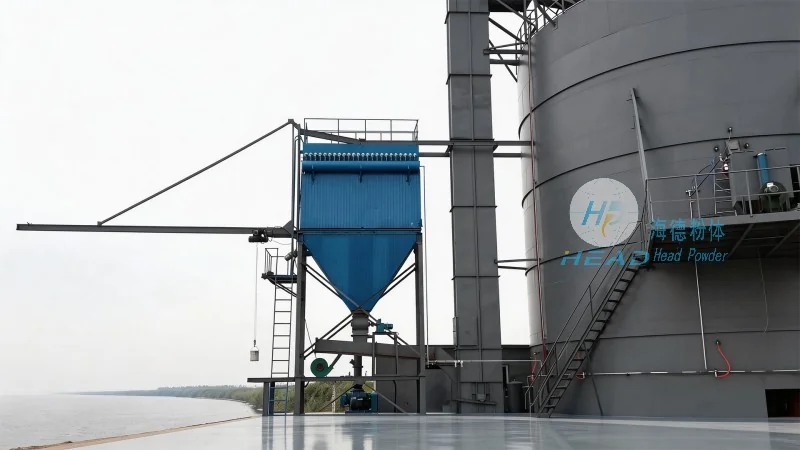
Common Causes of Dust Leakage in Pneumatic Conveying Systems
Several factors contribute to dust leakage in pneumatic conveying systems handling silica sand. First, improper sealing of system components, such as hoppers, pipelines, and valves, allows air and particles to escape. Second, wear and tear on seals, gaskets, or joints over time can compromise the system's integrity. Third, inadequate filtration or venting systems may fail to capture fine particles, leading to uncontrolled dust release. Additionally, variations in material flow rates or pressure fluctuations can stress the system, exacerbating leakage points. Understanding these root causes is the first step toward effective prevention.
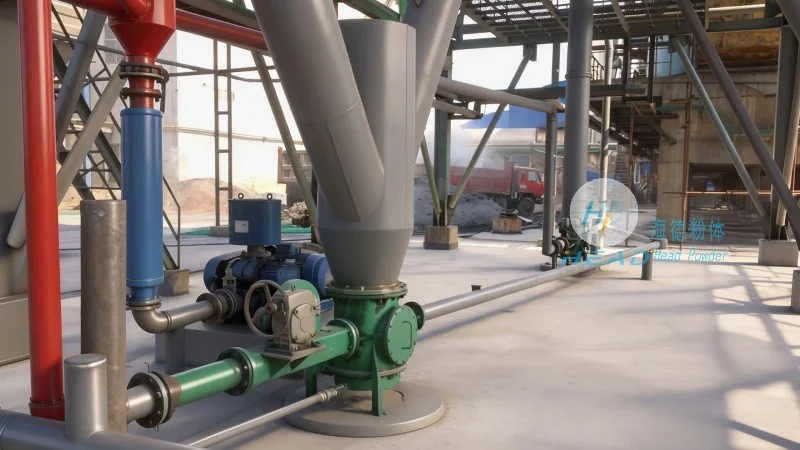
Key Measures to Prevent Dust Leakage
HeadPowder, a leading provider of engineering solutions for material handling, recommends the following measures to prevent dust leakage in pneumatic conveying systems for silica sand:
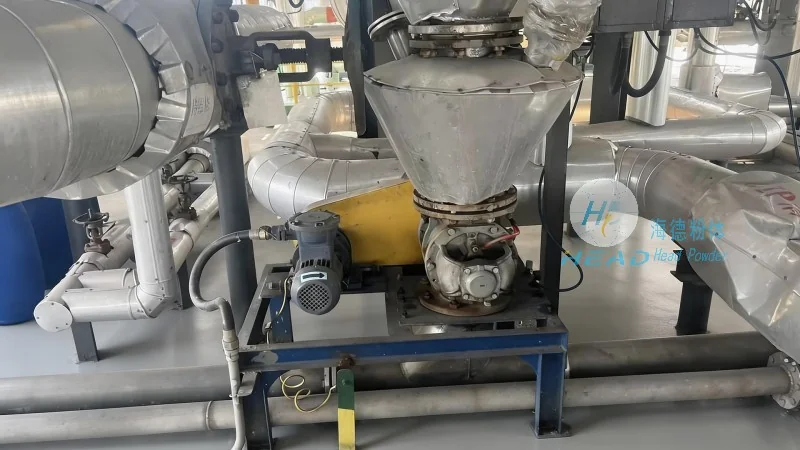
- Enhanced Sealing and Gasketing: Using high-quality, wear-resistant seals and gaskets on all system components, including hoppers, transfer points, and discharge valves, minimizes gaps where dust can escape. Regular inspection and replacement of worn seals are critical to maintaining tight seals.
- Advanced Filtration Systems: Installing efficient dust collectors and filtration units, such as cartridge filters or baghouse systems, captures fine silica particles before they are released into the environment. These systems should be designed to handle the abrasive nature of silica sand and withstand high pressure differentials.
- System Design and Layout Optimization: Properly designing the conveying system layout, including the use of vertical or horizontal pipelines with minimal bends and transitions, reduces pressure drops and turbulence that can cause particle separation and leakage. HeadPowder specializes in customizing system designs to optimize flow and minimize stress points.
- Regular Maintenance and Monitoring: Implementing a proactive maintenance schedule, including routine inspections of seals, filters, and pressure sensors, helps identify and address potential issues before they escalate into significant dust leakage. Real-time monitoring of system pressure and flow rates can also detect anomalies early.
Case Study: Successful Dust Control Implementation by HeadPowder
Shandong HeadPowder Engineering Co., Ltd. recently completed a project for a glass manufacturing plant in China, where silica sand was being transported via a pneumatic conveying system. The plant had been experiencing significant dust leakage, leading to product loss and employee health concerns. HeadPowder's engineers conducted a thorough assessment of the existing system and recommended a combination of enhanced sealing, upgraded filtration, and system layout adjustments. After implementing these measures, the plant reported a 90% reduction in dust leakage, improved product recovery rates, and enhanced workplace safety. This case study highlights the effectiveness of HeadPowder's solutions in addressing dust control challenges in silica sand conveying.