

Preventing Dust Leakage in Pneumatic Conveying Systems for Stone Coal Transport
Efficient and safe material handling is crucial in industrial operations, especially when dealing with bulk materials like stone coal. Pneumatic conveying systems offer a reliable solution for transporting such materials, but they often face challenges related to dust leakage. This article explores effective strategies to prevent dust leakage when using pneumatic conveying systems for stone coal transport, highlighting the expertise of Shandong HeadPowder Engineering Co., Ltd. from China.
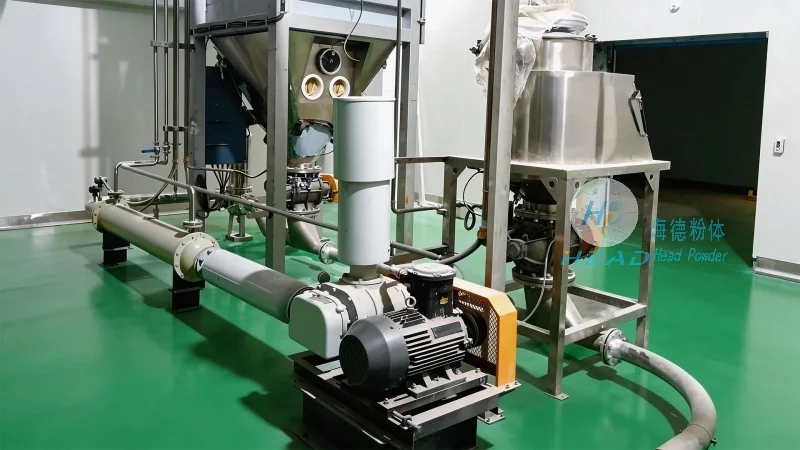
Understanding the Challenges of Dust Leakage in Pneumatic Conveying
When transporting stone coal through pneumatic systems, dust leakage can occur due to several factors. The abrasive nature of stone coal, combined with high air velocities and pressure differentials, can put stress on system components. Common sources of dust leakage include seals, connections, and the overall integrity of the conveying pipeline. If not addressed, dust leakage not only poses health risks to workers but also leads to material loss and operational inefficiencies. Therefore, implementing robust preventive measures is essential to maintain system performance and compliance with safety standards.
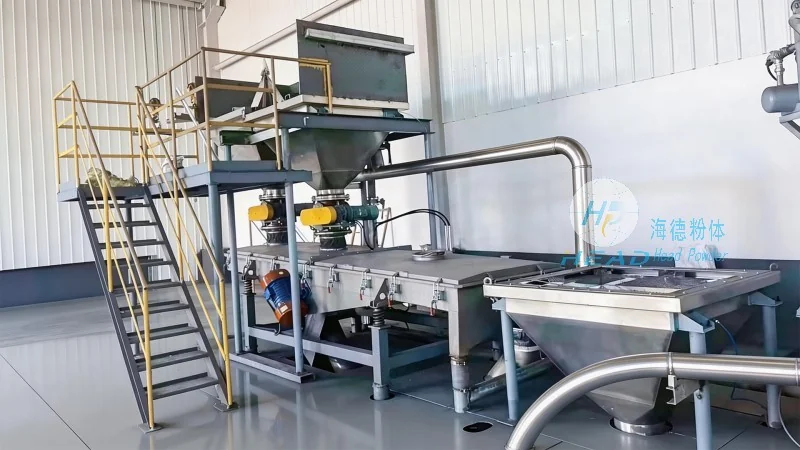
Key Components and Technologies for Dust Control
Shandong HeadPowder Engineering Co., Ltd. specializes in designing and manufacturing advanced pneumatic conveying solutions tailored to handle stone coal. Their systems incorporate several key components and technologies to minimize dust leakage. For instance, high-quality sealing mechanisms, such as double-flange seals and flexible connectors, are used to ensure tight connections at joints and transitions. Additionally, the use of dust collection and filtration systems, integrated into the conveying line, helps capture any escaped particles, reducing airborne dust levels. The company also employs advanced materials, like wear-resistant coatings and corrosion-resistant metals, to enhance the durability of system components under the harsh conditions of stone coal transport.
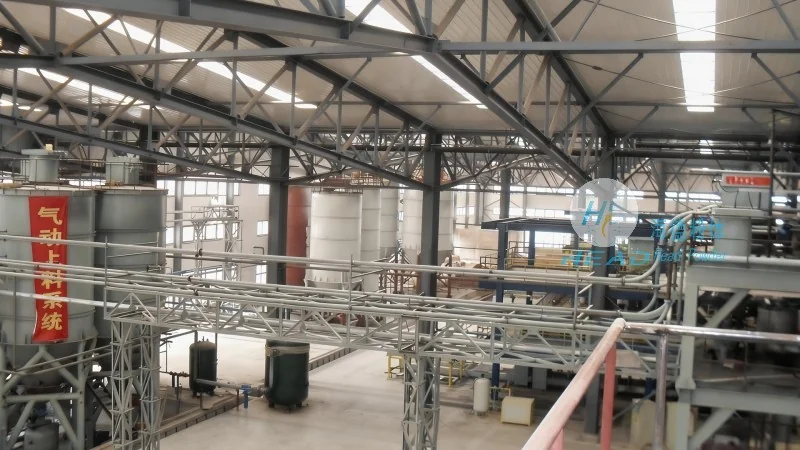
System Design and Installation Best Practices
The design and installation of pneumatic conveying systems play a critical role in preventing dust leakage. Proper system layout, including the use of vertical and horizontal sections with appropriate angles, helps maintain consistent air flow and pressure. Shandong HeadPowder Engineering Co., Ltd. follows industry best practices, ensuring that all components are properly aligned and secured to avoid misalignment-induced leaks. Regular maintenance and inspection schedules are also part of their approach, allowing for timely identification and repair of any potential issues. By adhering to these best practices, the system's integrity is maintained, and the risk of dust leakage is significantly reduced.
Maintenance and Monitoring Strategies
Even with robust design, regular maintenance and monitoring are essential to ensure long-term dust control. Shandong HeadPowder Engineering Co., Ltd. recommends routine checks of seals, filters, and pipeline integrity. Using sensors and monitoring systems can help detect changes in pressure or air flow that may indicate developing leaks. Prompt replacement of worn-out parts and cleaning of filtration systems are also crucial steps. By implementing a proactive maintenance strategy, the system remains efficient, and the risk of dust leakage is minimized over time.
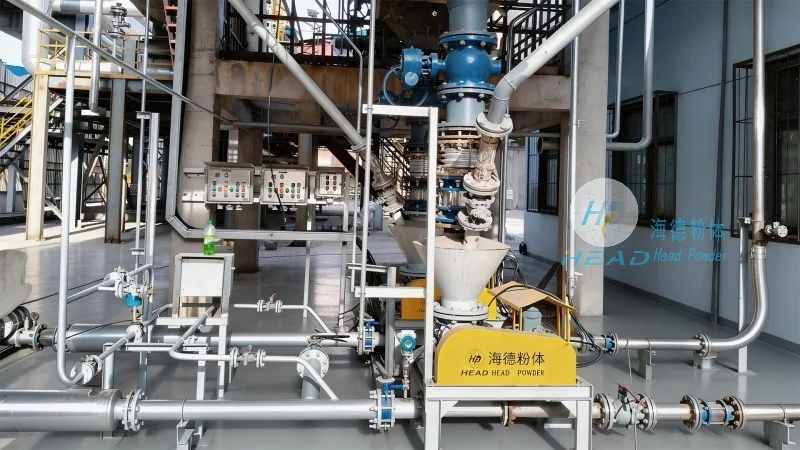
Conclusion and Expertise of Shandong HeadPowder Engineering Co., Ltd.
Preventing dust leakage in pneumatic conveying systems for stone coal transport requires a combination of advanced technology, proper system design, and diligent maintenance. Shandong HeadPowder Engineering Co., Ltd., based in Shandong, China, brings extensive expertise in this field, offering customized solutions that address the unique challenges of stone coal handling. Their commitment to quality and safety ensures that industrial operations can achieve efficient material transport while maintaining a clean and safe working environment. By leveraging their knowledge and products, businesses can enhance their pneumatic conveying systems, reducing dust-related issues and improving overall operational performance.