

Preventing Dust Leakage in Pneumatic Conveying Systems for Organic Salts
For industrial applications involving the handling of organic salts, maintaining a dust-free environment is crucial. Pneumatic conveying systems offer an efficient method to transport these materials, but preventing dust leakage requires careful system design and component selection. This article explores effective strategies to minimize dust leakage when using pneumatic conveying systems for organic salts, with insights from Shandong HeadPowder Engineering Co., Ltd., a leading provider in the field.
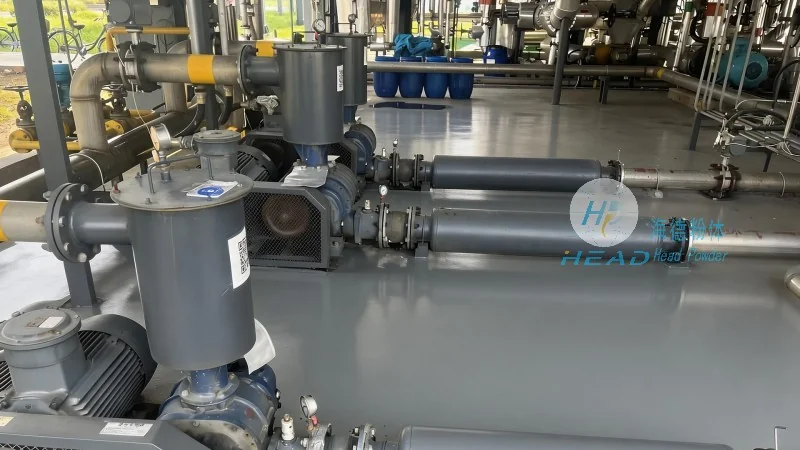
Understanding Pneumatic Conveying Systems for Organic Salts
Pneumatic conveying systems utilize air or gas to transport bulk materials like organic salts through a network of pipes. These systems are preferred for their ability to handle materials that are difficult to convey mechanically, such as fine powders or granules. However, the nature of organic salts—often hygroscopic or prone to static charge—can exacerbate dust generation and leakage risks. Proper system design is therefore essential to mitigate these issues and ensure safe, efficient operation.
Key Challenges in Organic Salt Handling with Pneumatic Conveying
When transporting organic salts via pneumatic systems, several challenges can lead to dust leakage. These include material properties like moisture content, which can cause clumping and blockages, and the tendency of fine particles to generate static electricity, leading to electrostatic discharge and increased dust dispersion. Additionally, system components such as valves, filters, and transfer points are critical areas where dust can escape if not properly sealed or maintained. Addressing these challenges requires a comprehensive approach that considers both the material characteristics and the system's operational parameters.
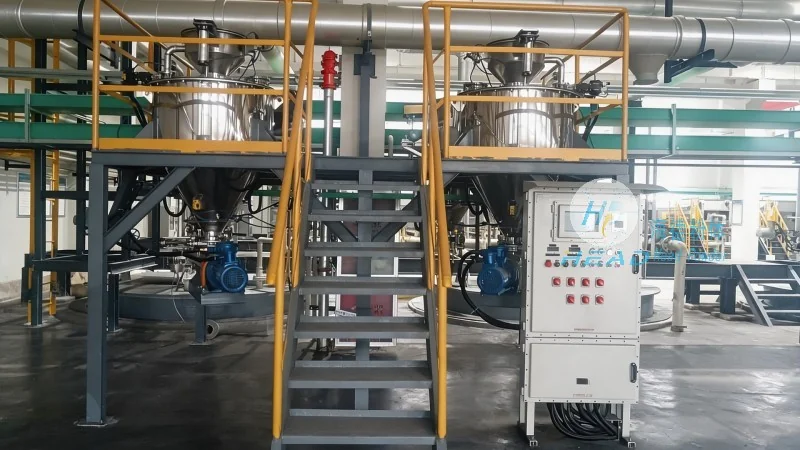
Strategies to Prevent Dust Leakage in Pneumatic Conveying Systems
Shandong HeadPowder Engineering Co., Ltd. recommends several strategies to minimize dust leakage when handling organic salts with pneumatic conveying systems. First, selecting appropriate materials for system components is vital. For instance, using stainless steel or corrosion-resistant alloys for pipes and fittings can prevent material degradation from organic salts, which may otherwise cause cracks or leaks. Second, implementing effective sealing mechanisms at transfer points and valve connections is essential. Specialized sealing technologies, such as double-seal valves or air-tight transfer units, can significantly reduce the risk of dust escaping from the system.
Third, incorporating filtration and dust collection systems is a critical measure. High-efficiency particulate air (HEPA) filters or cyclone separators can capture fine particles before they are released into the environment. Regular maintenance of these systems ensures optimal performance and prevents dust accumulation that could lead to system failures. Fourth, controlling air pressure and flow rates is important. Maintaining consistent air pressure and avoiding excessive velocity can reduce material attrition and minimize dust generation during transport.
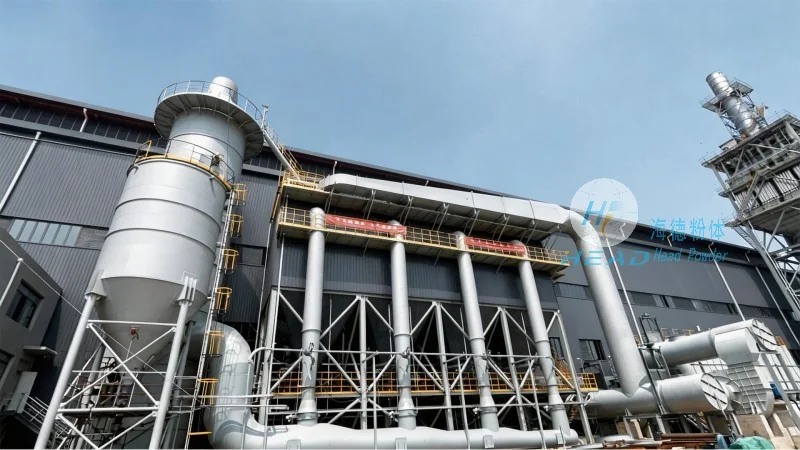
Component Selection and System Design Considerations
Proper component selection and system design are foundational to preventing dust leakage. For organic salt handling, it is advisable to use flexible hoses made of food-grade materials or specialized rubber compounds that resist chemical degradation. Additionally, ensuring that all joints and connections are properly secured with gaskets or clamps can prevent air and material leakage. The design of the system should also account for the material's flow characteristics, such as its bulk density and angle of repose, to ensure smooth transport and minimize the formation of static charges.
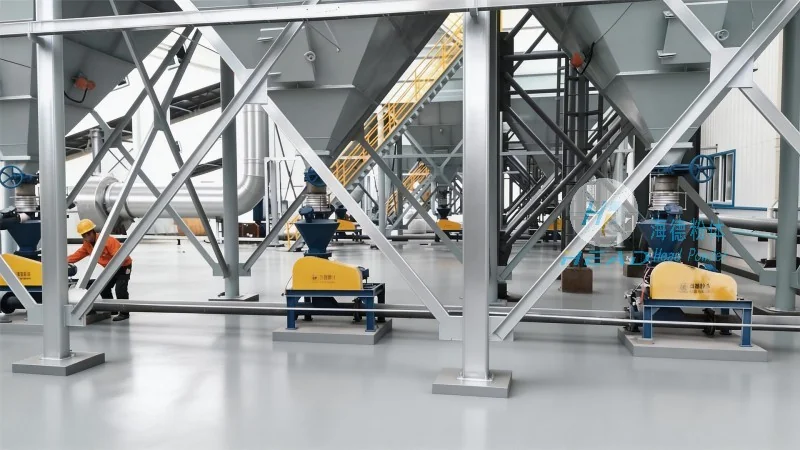
Maintenance and Operational Best Practices
Regular maintenance is key to maintaining a dust-free environment in pneumatic conveying systems for organic salts. This includes inspecting seals and gaskets for wear and tear, cleaning filters and cyclones regularly, and checking for any signs of material buildup or corrosion. Operational best practices also involve monitoring system pressure and flow rates to detect any anomalies that could indicate a potential leak. Training operators on proper system operation and maintenance procedures can further enhance the effectiveness of dust control measures.
Conclusion: Ensuring Safe and Efficient Organic Salt Handling
Preventing dust leakage in pneumatic conveying systems for organic salts is a multifaceted challenge that requires a combination of proper system design, component selection, and maintenance practices. By implementing the strategies outlined above, industries can enhance safety, comply with environmental regulations, and ensure the efficient handling of organic salts. Shandong HeadPowder Engineering Co., Ltd. provides specialized solutions and expertise to help clients achieve these goals, leveraging years of experience in pneumatic conveying technology and organic salt handling.