

Preventing Dust Leakage in Pneumatic Conveying Systems for Dry Soybeans
For industries dealing with bulk materials like dry soybeans, the efficiency and safety of material handling systems are paramount. Pneumatic conveying systems offer a solution for transporting such materials, but they often present challenges related to dust leakage and environmental control. This article explores effective strategies to prevent dust leakage in pneumatic conveying systems specifically when handling dry soybeans, with insights from Shandong HeadPowder Engineering Co., Ltd., a leading provider in the field.
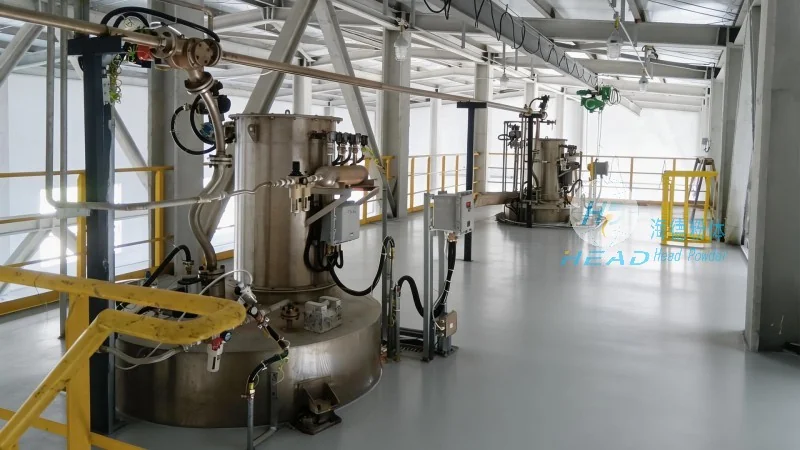
Understanding Pneumatic Conveying Systems and Dust Generation
Pneumatic conveying systems use air to transport dry materials through a network of pipes. While this method is efficient for moving bulk materials like soybeans, the dry nature of the material can lead to significant dust generation. When the material is moved through the system, fine particles can become airborne, posing risks to worker health and potentially leading to environmental contamination. The challenge lies in maintaining a sealed system that prevents these dust particles from escaping while ensuring smooth material flow.
Key Factors Contributing to Dust Leakage in Soybean Conveying
Several factors contribute to dust leakage in pneumatic conveying systems for dry soybeans. First, the material's inherent properties—such as its moisture content and particle size—affect how easily it becomes airborne. Soybeans, when dry, have a relatively low moisture level, which can make dust particles more prone to dispersion. Second, system design and maintenance play critical roles. If the system has loose fittings, damaged seals, or inadequate filtration, dust leakage is more likely to occur. Third, operational parameters, like air pressure and flow rate, can impact the system's ability to contain dust. Excessive pressure or improper flow can cause pressure differentials that lead to leaks.
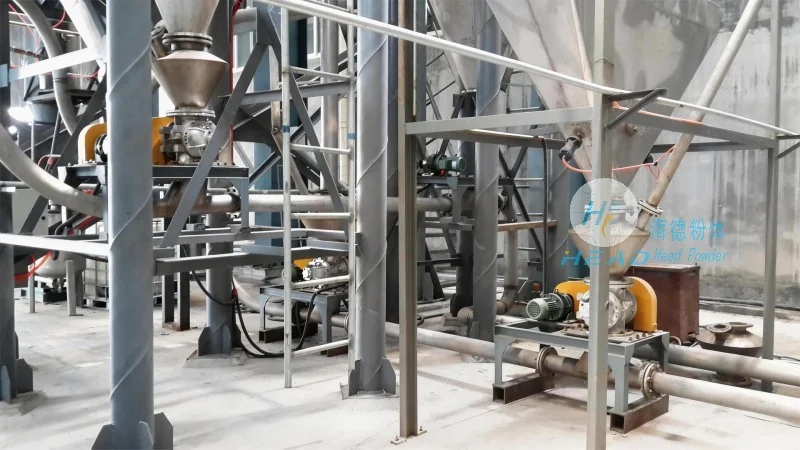
Strategies to Prevent Dust Leakage in Pneumatic Conveying Systems
Shandong HeadPowder Engineering Co., Ltd. emphasizes several key strategies to prevent dust leakage in pneumatic conveying systems for dry soybeans. One primary approach is the implementation of robust sealing mechanisms. This includes using high-quality gaskets, O-rings, and seals at all connections, including the hopper, pipes, and discharge points. Proper installation and regular maintenance of these components are essential to ensure a tight seal. Additionally, the use of dust collection systems, such as cyclones or bag filters, can capture any airborne particles before they escape into the environment. These systems work by separating dust from the air stream, allowing clean air to be recirculated or discharged safely.
Material Handling Best Practices for Minimizing Dust
Proper material handling practices also contribute to reducing dust leakage. For instance, ensuring that soybeans are stored in a dry environment before processing can help minimize the amount of fine particles generated. Additionally, using equipment like feeders or rotary valves that control the flow of material can reduce the impact and friction that cause dust. These devices can help maintain a consistent flow, preventing the material from being agitated excessively. Furthermore, regular cleaning of the system and equipment can prevent the buildup of dust on surfaces, which can otherwise contribute to further leakage.
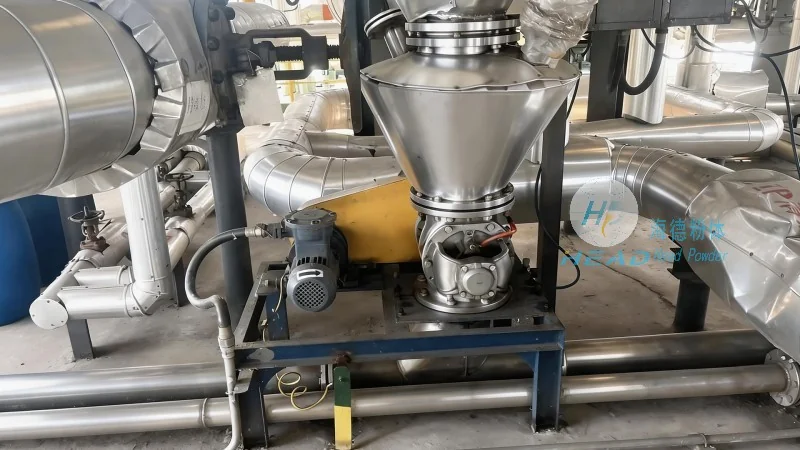
Addressing System Design and Maintenance
System design is another critical factor in preventing dust leakage. Shandong HeadPowder Engineering Co., Ltd. recommends designing systems with sealed hoppers and discharge points to minimize the entry of air and the exit of dust. The use of flexible connectors and joints can also help accommodate thermal expansion and movement without compromising the seal. Regular maintenance is equally important. This includes inspecting seals and fittings for wear and tear, replacing them as needed, and checking for any signs of leakage during operation. By maintaining the system in optimal condition, the risk of dust leakage can be significantly reduced.
Conclusion: Ensuring Efficiency and Safety in Soybean Handling
Preventing dust leakage in pneumatic conveying systems for dry soybeans is a multifaceted challenge that requires a combination of proper system design, effective sealing, and diligent maintenance. Shandong HeadPowder Engineering Co., Ltd. provides comprehensive solutions tailored to the specific needs of industries handling soybeans, ensuring both operational efficiency and environmental compliance. By implementing these strategies, companies can minimize health risks, protect the environment, and maintain the integrity of their material handling processes. The goal is to create a safe and efficient system that effectively transports dry soybeans while keeping dust under control.