

Preventing Dust Leakage in Pneumatic Conveying Systems for Pyrolysis Char
Preventing dust leakage in pneumatic conveying systems for pyrolysis char is a critical challenge in industrial material handling, especially when dealing with materials like pyrolysis char that have high surface area and are prone to breaking into fine particles during transport. Shandong HeadPowder Engineering Co., Ltd., a leading engineering solutions provider, specializes in addressing these challenges by optimizing system design and implementing advanced dust control technologies.
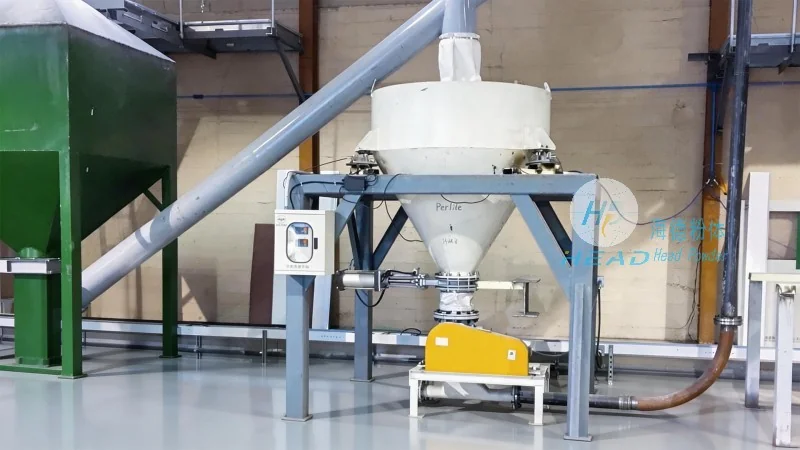
System Design and Material Characteristics
When designing a pneumatic conveying system for pyrolysis char, several key factors must be considered to minimize dust generation and leakage. The physical properties of pyrolysis char, such as its particle size distribution, density, and flowability, directly impact the system's performance. For instance, pyrolysis char often consists of fine particles that are easily fragmented under mechanical stress. Therefore, selecting appropriate system components, like the diameter of conveying pipes and the type of air flow, is essential. HeadPowder engineers carefully analyze the material's characteristics to determine the optimal pipe diameter and airflow velocity. A larger pipe diameter reduces the friction between particles and the pipe wall, which in turn lowers the risk of particle breakage and dust formation. Additionally, controlling the airflow velocity within a suitable range—typically between 20 to 30 meters per second for fine powders—balances the need for efficient material transport with the prevention of excessive particle fragmentation.
Advanced Sealing Solutions for System Integrity
Sealing is a pivotal aspect of preventing dust leakage in pneumatic conveying systems. HeadPowder emphasizes the use of robust sealing systems, particularly at critical points like pipe connections, valves, and bends. Traditional single-seal designs are often insufficient for handling fine powders like pyrolysis char, as they may fail under the constant pressure and abrasive nature of the material. To address this, HeadPowder recommends multi-seal configurations, such as double or triple seals, especially in high-risk areas. These seals utilize elastic materials, including rubber or PTFE (polytetrafluoroethylene), which provide flexibility and resistance to wear and temperature fluctuations. The choice of sealing material is critical; for instance, PTFE is ideal for high-temperature applications, as pyrolysis processes often generate heat that can degrade other materials. By implementing these advanced sealing solutions, the system maintains a tight seal even under varying pressure and temperature conditions, effectively preventing dust leakage.
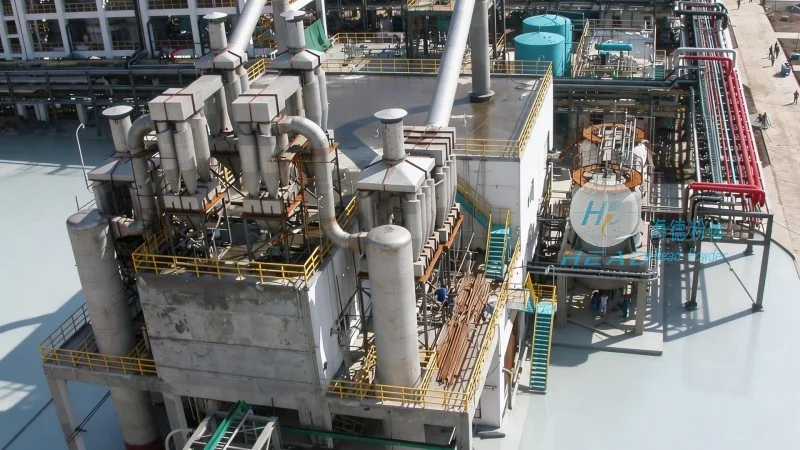
Pressure Control and Airflow Stability
System pressure and airflow stability play a crucial role in reducing dust leakage during pyrolysis char transport. Excessive pressure can cause the material to break into smaller particles, increasing the amount of fine dust. Conversely, insufficient pressure may lead to blockages or uneven material flow, which also contributes to dust generation. HeadPowder's systems incorporate advanced pressure control mechanisms, including sensors and automated regulation valves, to maintain consistent pressure levels. This stability ensures that the airflow remains steady, preventing sudden pressure spikes or drops that could cause particle fragmentation. The control system also monitors the pressure in real-time, adjusting the air supply as needed to keep the conveying process smooth and efficient. By maintaining stable pressure and airflow, the system minimizes the risk of dust leakage and ensures reliable material transport.
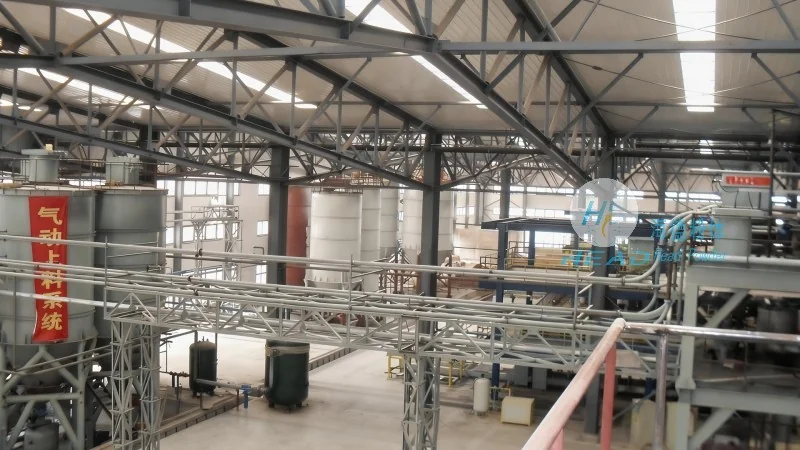
Preprocessing and Flow Enhancers
Preprocessing the pyrolysis char before it enters the pneumatic conveying system can significantly improve dust control. HeadPowder often recommends preprocessing steps, such as screening or the addition of small amounts of flow enhancers. Screening helps remove oversized particles that are more likely to cause blockages and increase friction, while flow enhancers, like fine powders or lubricants, improve the material's flowability. By enhancing the material's properties, the system experiences less resistance during transport, reducing the likelihood of particle breakage and dust generation. This approach not only minimizes dust leakage but also improves the overall efficiency of the conveying process. HeadPowder's engineers tailor preprocessing strategies to the specific characteristics of each client's pyrolysis char, ensuring the most effective solution for their application.
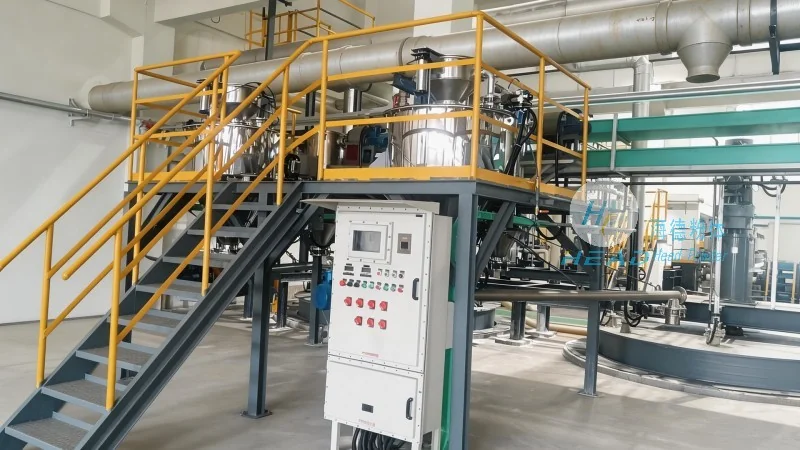
Regular Maintenance and System Monitoring
Preventing dust leakage requires ongoing maintenance and system monitoring to ensure long-term performance. HeadPowder advises clients to establish a regular maintenance schedule for their pneumatic conveying systems. This includes inspecting and replacing worn seals, cleaning filters to prevent clogging, and calibrating control systems. Worn seals, for example, can develop gaps over time, allowing dust to escape from the system. By replacing seals at scheduled intervals, the system maintains its integrity. Similarly, clogged filters can cause pressure buildup and increase the risk of dust leakage. Regular cleaning and replacement of filters ensure that the system operates at optimal pressure levels. HeadPowder also provides monitoring tools, such as pressure and flow sensors, to track system performance in real-time. These tools help identify any deviations from normal operation, allowing for timely adjustments and preventing potential dust leakage issues. By combining proactive maintenance with continuous monitoring, HeadPowder ensures that the pneumatic conveying system remains effective in preventing dust leakage for pyrolysis char transport.
Conclusion: Tailored Solutions for Reliable Dust Control
Addressing dust leakage in pneumatic conveying systems for pyrolysis char demands a comprehensive approach that integrates system design, advanced sealing technologies, pressure control, and ongoing maintenance. Shandong HeadPowder Engineering Co., Ltd. leverages its expertise in material handling and engineering to provide customized solutions that meet the unique needs of each client. By optimizing pipe dimensions, implementing robust sealing systems, maintaining stable pressure, and enhancing material flow through preprocessing, HeadPowder ensures that pyrolysis char is transported efficiently and safely, with minimal dust leakage. The company's commitment to quality and innovation has made it a trusted partner for industries relying on pneumatic conveying of fine materials. Through these strategies, HeadPowder helps clients achieve their operational goals while adhering to environmental and safety standards.