

How to Prevent Dust Leakage in Pneumatic Conveying Systems When Transporting Compound Fertilizers
When it comes to transporting compound fertilizers using pneumatic conveying systems, preventing dust leakage is a critical challenge that can impact operational efficiency, worker safety, and environmental compliance. The fine particles of compound fertilizers are prone to becoming airborne during the conveying process, leading to dust contamination and potential health hazards. This article explores effective strategies and solutions provided by Shandong HeadPowder Engineering Co., Ltd. to mitigate dust leakage in pneumatic conveying systems for compound fertilizer transport.
Understanding the Challenges of Dust Leakage in Pneumatic Conveying
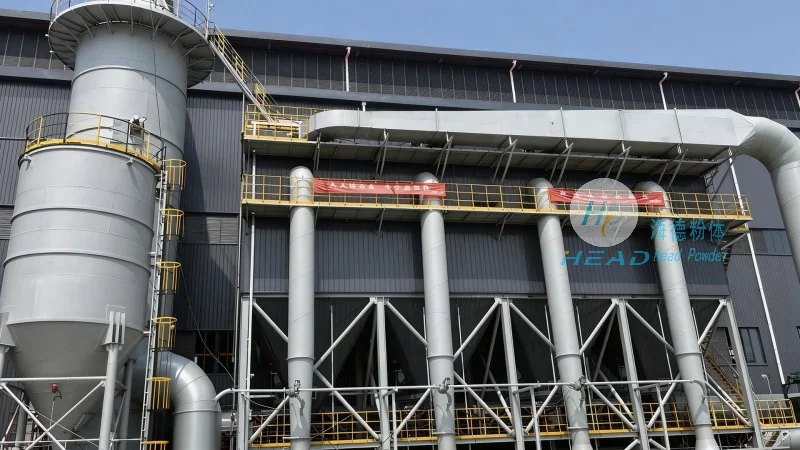
Before delving into solutions, it's essential to understand why dust leakage occurs in pneumatic conveying systems when handling compound fertilizers. The primary reasons include the high fineness of the fertilizer particles, which increase their tendency to generate dust during movement. Additionally, the pressure differentials within the system, especially at transfer points and bends, can cause particles to escape from the conveying line. Environmental factors such as temperature and humidity also play a role in the agglomeration and dispersion of dust particles. For companies operating in the fertilizer industry, addressing these challenges is not just a matter of maintenance but a necessity to ensure smooth operations and regulatory adherence.
Key Solutions from Shandong HeadPowder Engineering Co., Ltd.
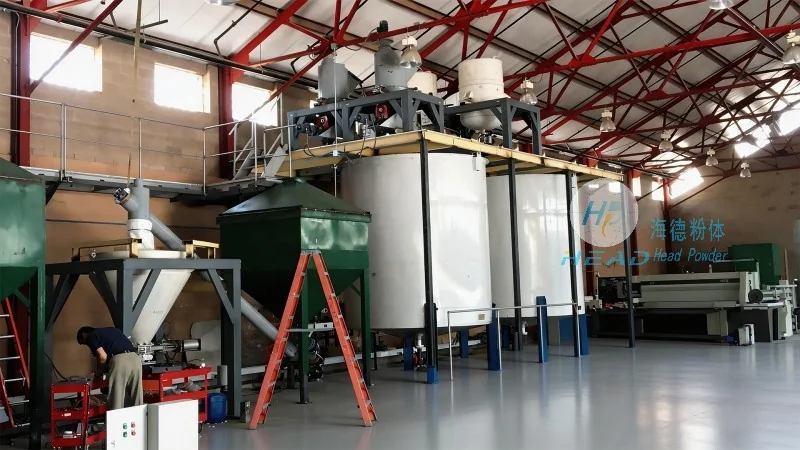
Shandong HeadPowder Engineering Co., Ltd., a leading provider of pneumatic conveying solutions, offers comprehensive strategies to prevent dust leakage in compound fertilizer transport. The company's approach combines advanced equipment design, proper system integration, and regular maintenance protocols. One of the core solutions is the implementation of high-quality dust collection systems that capture and contain airborne particles at the source. These systems are engineered to handle the specific characteristics of compound fertilizers, ensuring efficient filtration and minimal re-entrainment of dust. Furthermore, the company recommends using specialized seals and gaskets at critical points such as hoppers, valves, and transfer points to maintain airtight connections and prevent dust escape. Advanced materials and manufacturing techniques are used to produce components that are resistant to wear and tear, which is crucial in handling abrasive fertilizer particles.
System Design and Integration for Optimal Performance
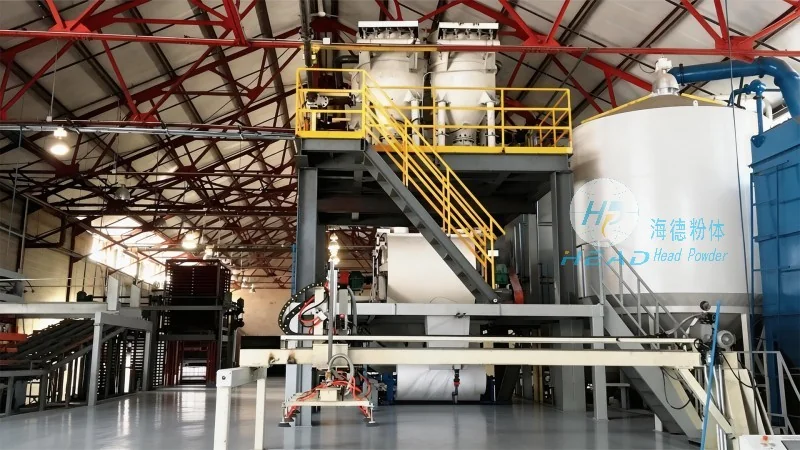
The effectiveness of dust prevention in pneumatic conveying systems for compound fertilizers heavily relies on the overall system design and integration. Shandong HeadPowder Engineering Co., Ltd. emphasizes the importance of a well-planned layout that minimizes the number of transfer points and bends, as each additional component increases the risk of dust leakage. The company's engineers conduct thorough assessments of the fertilizer's properties, including particle size distribution, moisture content, and flowability, to tailor the conveying system to the specific requirements. This tailored approach ensures that the system operates at optimal pressure and flow rates, reducing the stress on components and minimizing dust generation. Additionally, the integration of automated control systems allows for real-time monitoring of pressure differentials and particle flow, enabling immediate adjustments to prevent dust leakage before it becomes a significant issue.
Maintenance and Operational Best Practices
Even with the most advanced equipment, regular maintenance and operational best practices are essential to maintain dust control in pneumatic conveying systems. Shandong HeadPowder Engineering Co., Ltd. provides detailed maintenance schedules and guidelines to ensure that all components are inspected and serviced regularly. This includes checking seals, gaskets, and filters for wear and tear, replacing them as needed to maintain airtight connections. The company also recommends training operators on proper system operation, including how to handle start-up and shutdown procedures to minimize dust generation during these critical phases. By adhering to these best practices, companies can extend the lifespan of their conveying systems and maintain consistent performance in preventing dust leakage.
Conclusion: Ensuring Safe and Efficient Compound Fertilizer Transport
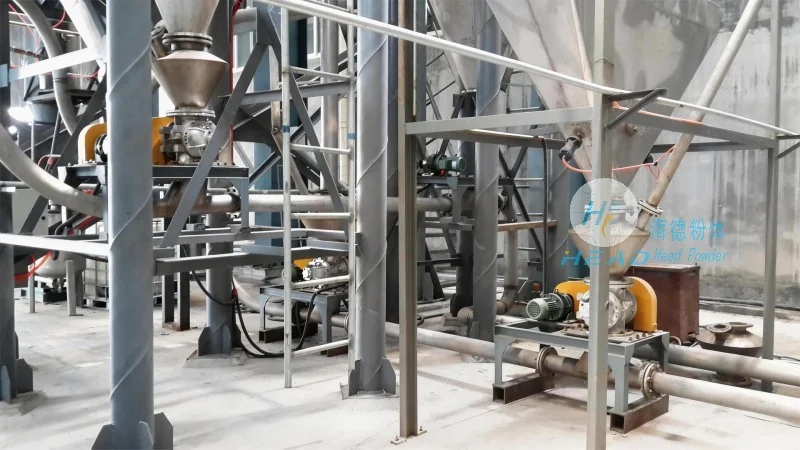
Preventing dust leakage in pneumatic conveying systems when transporting compound fertilizers is a multifaceted challenge that requires a combination of advanced technology, proper system design, and diligent maintenance. Shandong HeadPowder Engineering Co., Ltd. stands as a trusted partner in providing effective solutions tailored to the unique needs of the fertilizer industry. By implementing the strategies outlined above, companies can enhance operational efficiency, protect worker health, and comply with environmental regulations. The company's commitment to quality and innovation ensures that clients receive reliable and long-lasting solutions that meet the demands of modern fertilizer production and transportation.