

Preventing Dust Leakage in Pneumatic Conveying Systems for Cement Particle Transport
Efficient and reliable material handling is a critical concern in industries that rely on the transportation of bulk materials, particularly in applications involving cement particles. Pneumatic conveying systems have become a popular choice for such operations due to their ability to move materials through pipelines using air pressure. However, a significant challenge in these systems is the prevention of dust leakage, which can lead to environmental hazards, health risks, and operational inefficiencies. This article explores effective strategies and solutions implemented by Shandong HeadPowder Engineering Co., Ltd. to mitigate dust leakage during the transport of cement particles using pneumatic conveying systems.
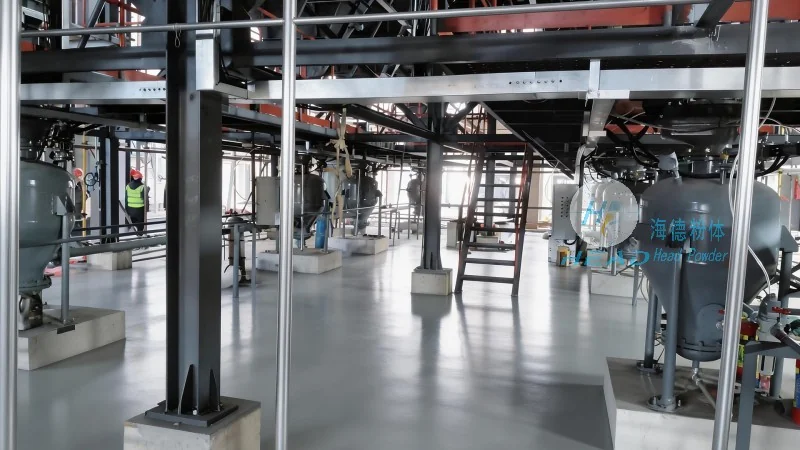
Understanding the Challenges of Dust Leakage in Pneumatic Conveying
Before delving into solutions, it is essential to understand why dust leakage occurs in pneumatic conveying systems when handling cement particles. Cement is a fine, dry powder that can easily become airborne, especially when subjected to high velocities or pressure differentials within the system. The primary causes of dust leakage include inadequate sealing at joints, improper design of the conveying line, and insufficient filtration or capture mechanisms. These issues can result in the release of dust into the environment, posing risks to workers' health and potentially leading to regulatory violations. Additionally, dust leakage can reduce the efficiency of the conveying process by causing material loss and clogging in the system.
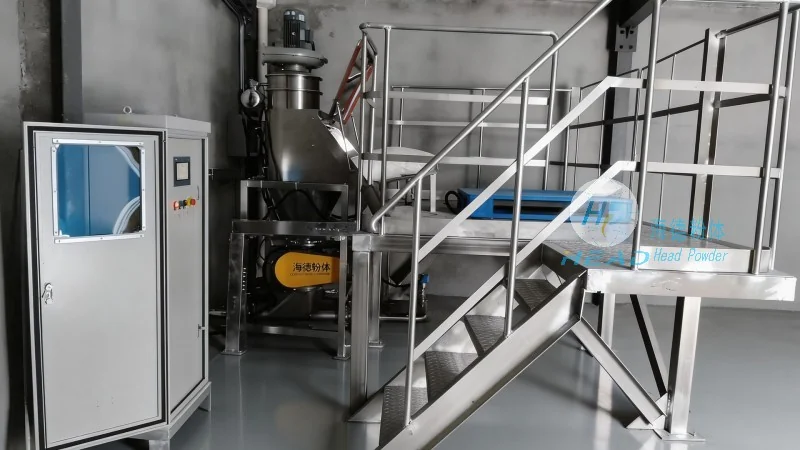
Key Solutions for Preventing Dust Leakage in Cement Particle Transport
Shandong HeadPowder Engineering Co., Ltd. employs a multi-faceted approach to prevent dust leakage in pneumatic conveying systems for cement particles. One of the primary solutions is the use of high-quality sealing components, such as flexible connectors and gaskets, which are designed to maintain a tight seal even under varying pressure conditions. These components are crucial in preventing air and dust from escaping at the joints where different sections of the conveying line connect. Furthermore, the company utilizes advanced pipeline designs that minimize pressure differentials and air velocity fluctuations, reducing the likelihood of dust being dislodged from the material stream. Another critical aspect is the implementation of efficient dust collection and filtration systems. These systems capture any airborne particles before they can escape into the environment, ensuring compliance with environmental regulations and maintaining a safe working environment.
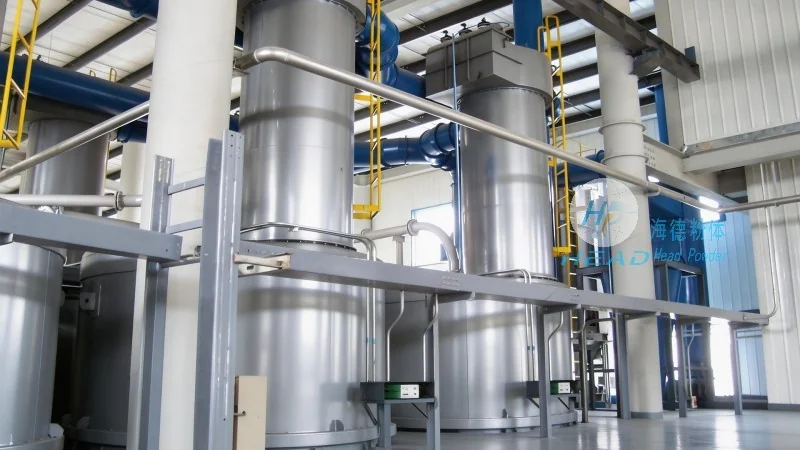
Material Handling Expertise and Customized Solutions
HeadPowder, as a leading provider of pneumatic conveying solutions, understands that each industrial application has unique requirements. The company offers customized designs tailored to the specific characteristics of cement particles, such as their size, moisture content, and flow properties. This customization ensures that the conveying system is optimized for maximum efficiency while minimizing dust leakage. Additionally, the company provides comprehensive maintenance and support services to ensure that the systems operate at peak performance over their lifespan. Regular inspections and maintenance of sealing components and filtration systems are conducted to address any potential issues before they escalate into significant problems.
Benefits of Implementing Dust Leakage Prevention Measures
The implementation of effective dust leakage prevention measures in pneumatic conveying systems for cement particles offers numerous benefits. Firstly, it enhances workplace safety by reducing the exposure of workers to airborne dust, which can cause respiratory issues and other health problems. Secondly, it helps in maintaining environmental compliance, as many regions have strict regulations regarding dust emissions from industrial operations. Thirdly, it improves operational efficiency by minimizing material loss and reducing the need for frequent system cleanings. Finally, it contributes to cost savings by extending the lifespan of the conveying equipment and reducing maintenance costs associated with dust-related issues.
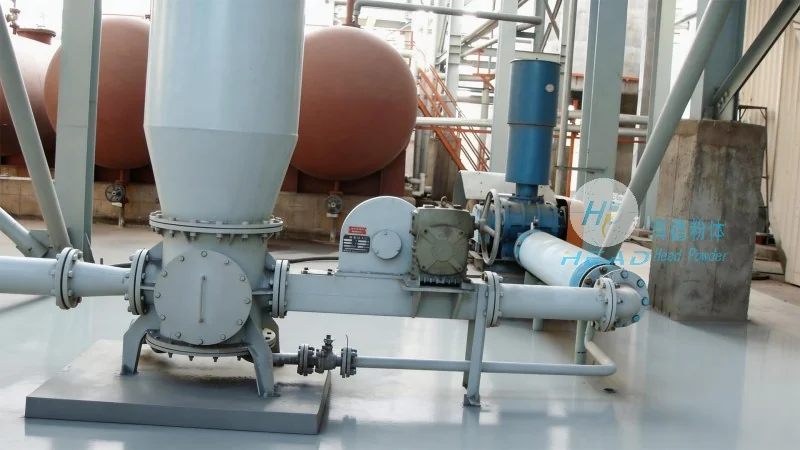
Conclusion
Preventing dust leakage in pneumatic conveying systems when transporting cement particles is a complex but essential task. Shandong HeadPowder Engineering Co., Ltd. demonstrates a commitment to addressing this challenge through innovative solutions and expert engineering. By focusing on high-quality sealing components, advanced pipeline designs, and efficient dust collection systems, the company ensures that its clients can operate their material handling processes safely and efficiently. As industries continue to rely on pneumatic conveying for bulk material transport, the importance of effective dust leakage prevention will only grow, making solutions like those offered by HeadPowder increasingly vital.