

Preventing Dust Leakage in Pneumatic Conveying Systems for Metal Particle Transport
For industrial operations that rely on pneumatic conveying systems to transport metal particles, maintaining a dust-free environment is crucial for both safety and operational efficiency. The challenge of preventing dust leakage during the process is a common concern, as metal particles can be fine and easily become airborne, leading to health hazards and equipment contamination. This article explores effective strategies and solutions offered by Shandong HeadPowder Engineering Co., Ltd. to address this critical issue, ensuring optimal performance and compliance with safety standards.
Understanding the Challenges of Metal Particle Conveying
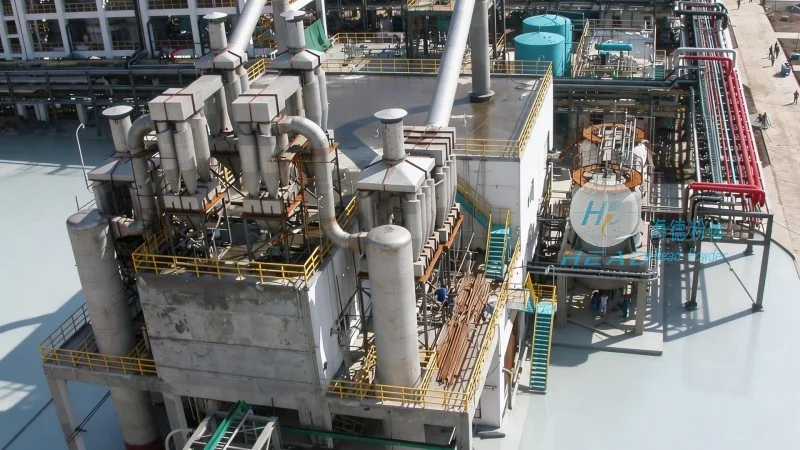
When metal particles are transported via pneumatic systems, the risk of dust leakage arises from several factors. The abrasive nature of metal can wear down system components over time, creating gaps where dust can escape. Additionally, the high velocity of air used in the conveying process can dislodge fine particles from the material stream, increasing the likelihood of leakage. These issues not only compromise workplace safety by exposing personnel to airborne metal dust but also affect the integrity of the product, as contaminated particles can degrade quality and cause operational disruptions.
Key Solutions for Dust Leakage Prevention
Shandong HeadPowder Engineering Co., Ltd. specializes in designing and implementing advanced pneumatic conveying solutions tailored to prevent dust leakage. Their approach involves a combination of robust system design, high-quality materials, and intelligent control mechanisms. For instance, the use of airtight seals and specialized connectors in the system's components helps to minimize the potential for gaps where dust can escape. Additionally, the company employs advanced filtration systems that capture fine metal particles before they can be released into the environment, ensuring that the air leaving the system is clean and compliant with regulatory standards.
Material Handling and System Integration
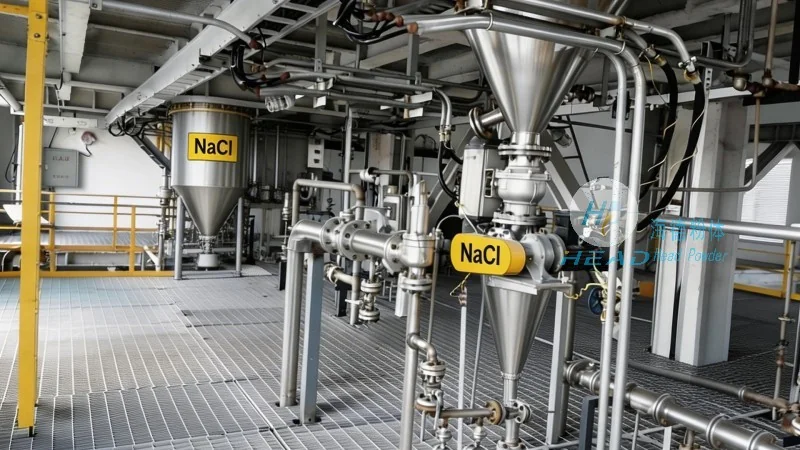
Effective dust control in metal particle conveying also depends on proper material handling practices and system integration. HeadPowder engineers recommend regular maintenance and inspection of system components to identify and address wear and tear early. This proactive approach helps to prevent the development of leaks and ensures that the system operates at peak efficiency. Furthermore, the integration of dust collection systems with the conveying process allows for the capture of any particles that may escape, reducing the risk of environmental contamination and improving overall operational safety.
Benefits of Implementing HeadPowder's Solutions
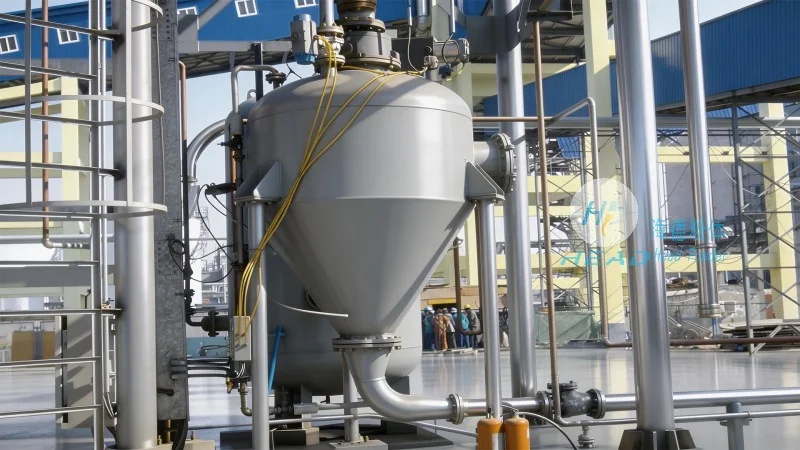
By adopting the solutions provided by Shandong HeadPowder Engineering Co., Ltd., industrial facilities can achieve significant improvements in dust control and operational performance. The reduction in dust leakage not only enhances workplace safety by minimizing exposure to fine metal particles but also extends the lifespan of system components by reducing abrasive wear. Additionally, the improved product quality resulting from better dust control can lead to higher customer satisfaction and reduced rework costs. The company's expertise in pneumatic conveying systems ensures that each solution is customized to meet the specific needs of the client, providing a tailored approach to dust leakage prevention.
Conclusion and Contact Information
Preventing dust leakage in pneumatic conveying systems for metal particles is a critical aspect of industrial operations, and the solutions offered by Shandong HeadPowder Engineering Co., Ltd. provide effective and reliable options. With their focus on robust system design, advanced filtration, and proactive maintenance, HeadPowder helps industrial facilities maintain a safe and efficient environment for metal particle transport. For more information on their services and how they can assist with dust control in your pneumatic conveying systems, please contact them at their office in Shandong, China.