

Choosing Positive Pressure or Negative Pressure for PP Conveying? How to Distinguish?
When it comes to handling Polypropylene (PP) materials in industrial applications, selecting the right conveying system is crucial for efficiency, safety, and operational reliability. Two primary methods are commonly considered: positive pressure conveying and negative pressure conveying. Each approach has distinct characteristics, advantages, and applications, making it essential to understand the differences to make an informed decision. This article explores the key aspects of both positive and negative pressure systems for PP conveying, helping you distinguish between them and choose the most suitable solution for your specific needs.
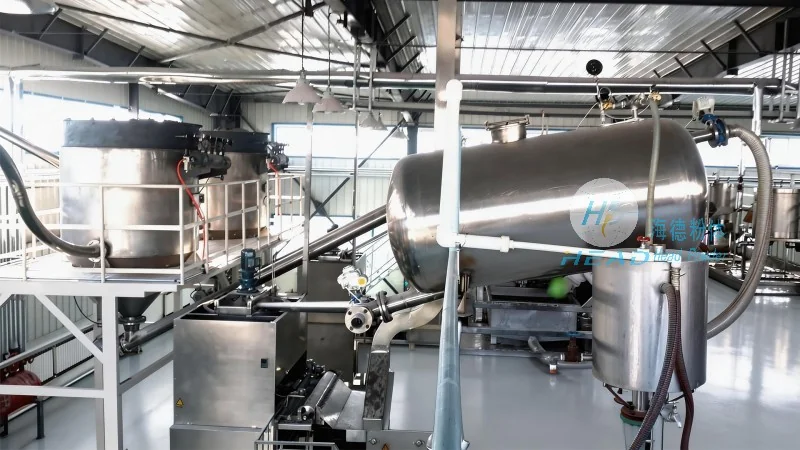
Understanding Positive Pressure Conveying for PP Materials
Positive pressure conveying involves using a blower or fan to generate air pressure that pushes the material through the conveying line. This method is particularly effective for materials that are prone to bridging, caking, or are difficult to move due to their physical properties. For PP, which can sometimes exhibit such behavior, positive pressure systems can provide consistent flow and prevent material buildup in the hopper or conveyor. The headpowder team at Shandong HeadPowder Engineering Co., Ltd. specializes in designing positive pressure systems tailored to PP handling, ensuring optimal performance and minimal downtime.
Key Advantages of Positive Pressure Conveying
One of the main benefits of positive pressure conveying is its ability to maintain a consistent flow rate, even with varying material loads. This is achieved by maintaining a positive pressure throughout the system, which helps prevent material from settling or clogging. Additionally, positive pressure systems are generally more suitable for long-distance conveying, as they can maintain the required pressure over extended lengths. The robust design of these systems also makes them ideal for abrasive or heavy PP particles, ensuring durability and longevity.
How to Distinguish Positive Pressure from Other Systems
To identify a positive pressure system, look for the presence of a blower or fan that actively pushes air into the conveying line. The system typically operates at higher air pressures (often 5-10 PSI or more) compared to negative pressure systems. The headpowder engineers at Shandong HeadPowder Engineering Co., Ltd. emphasize that positive pressure is indicated by the air being forced into the material stream, creating a positive pressure differential that moves the material forward.
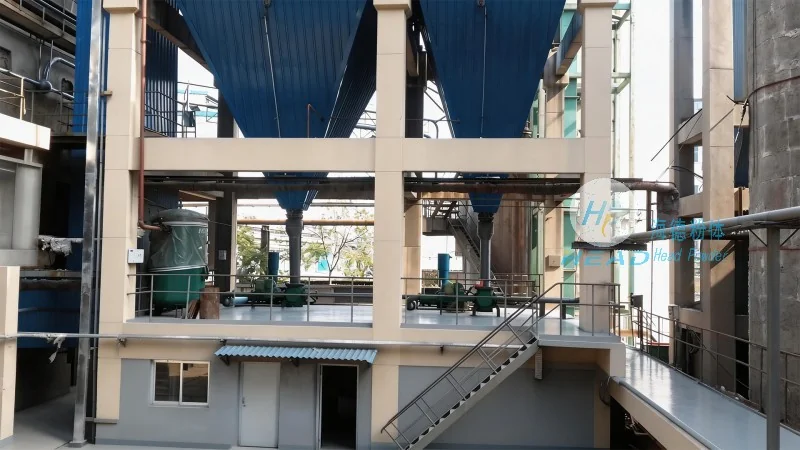
Exploring Negative Pressure Conveying for PP Handling
Negative pressure conveying, also known as suction or vacuum conveying, uses a vacuum pump to create a partial vacuum that draws the material into the conveying line. This method is often preferred for materials that are light, free-flowing, or require gentle handling to avoid degradation. For PP, which can be sensitive to high temperatures or mechanical stress, negative pressure systems offer a more controlled and gentle approach. The headpowder company, based in Shandong, China, has extensive experience in designing negative pressure systems that minimize material degradation while ensuring efficient transport.
Advantages of Negative Pressure Conveying
One significant advantage of negative pressure conveying is its ability to handle fine or powdery PP materials without causing excessive wear on the system components. The gentle suction action reduces the risk of material breakage or agglomeration, which is critical for maintaining product quality. Additionally, negative pressure systems are often more compact and require less space compared to positive pressure systems, making them suitable for applications with limited floor area. The headpowder team at Shandong HeadPowder Engineering Co., Ltd. has developed advanced negative pressure solutions that balance efficiency with material protection.
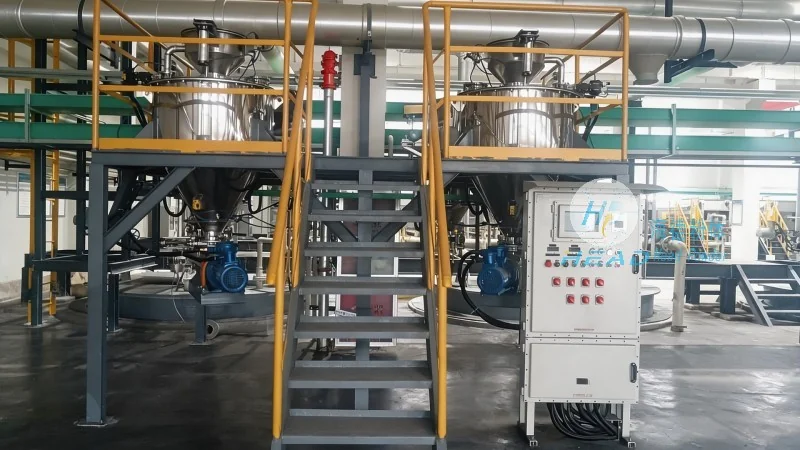
Distinguishing Negative Pressure from Positive Pressure
A negative pressure system is characterized by a vacuum pump that creates a lower pressure in the conveying line compared to the ambient air. This creates a suction effect that draws the material into the system. Unlike positive pressure, negative pressure systems operate at lower air speeds and pressures (typically 1-3 PSI), which is gentler on the material. The headpowder engineers at Shandong HeadPowder Engineering Co., Ltd. note that negative pressure is indicated by the air being pulled into the material stream, creating a pressure differential that moves the material backward (into the system).
Factors to Consider When Choosing Between Positive and Negative Pressure
When deciding between positive and negative pressure conveying for PP materials, several factors should be considered. First, the physical properties of the PP material, such as its bulk density, flowability, and tendency to clog. If the material is prone to bridging or has high bulk density, positive pressure may be more effective. Conversely, if the material is light and free-flowing, negative pressure could be a better choice. Second, the conveying distance and system layout. Positive pressure systems are generally better for longer distances due to their ability to maintain pressure over extended lengths. Third, the space available for the system installation. Negative pressure systems are more compact, making them suitable for confined spaces. The headpowder team at Shandong HeadPowder Engineering Co., Ltd. provides comprehensive consultations to help clients evaluate these factors and select the optimal conveying method.
Conclusion: Making the Right Choice for PP Conveying
Choosing between positive and negative pressure conveying for PP materials requires a careful assessment of the material's characteristics, operational requirements, and system constraints. Positive pressure systems offer robustness and consistent flow for challenging materials, while negative pressure systems provide gentle handling and efficiency for light, free-flowing materials. By understanding the differences and considering the specific needs of your application, you can select the most suitable conveying solution. The headpowder experts at Shandong HeadPowder Engineering Co., Ltd., based in Shandong, China, are dedicated to providing customized solutions that meet the unique demands of your PP conveying needs, ensuring optimal performance and reliability.