

Choosing Between Positive Pressure and Negative Pressure for Stone Chippings Transport: How to Diffe
When it comes to transporting stone chippings, selecting the right type of pneumatic conveying system is crucial for efficiency and cost-effectiveness. Two primary methods are widely used: positive pressure and negative pressure systems. Understanding the differences between these two approaches is essential for making an informed decision that aligns with operational needs and material characteristics.
Understanding Positive Pressure Conveying
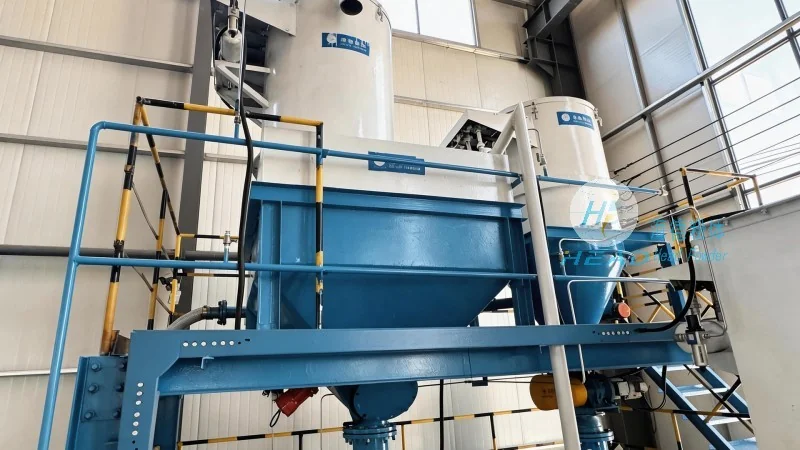
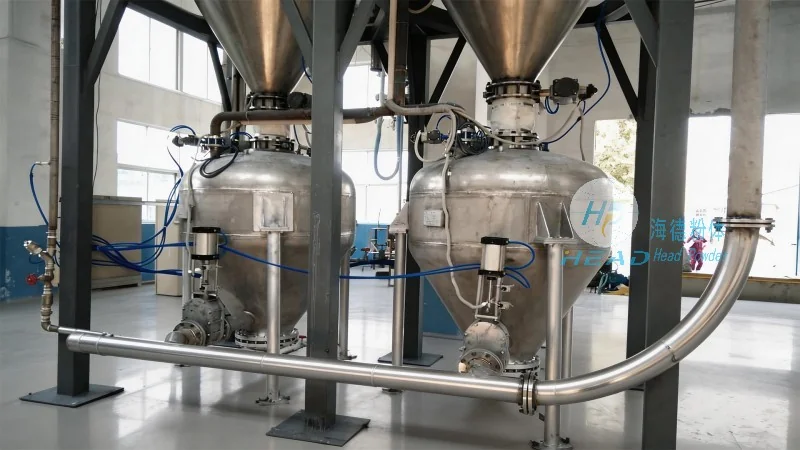
Positive pressure conveying systems operate by blowing air or a carrier gas into the conveying line, creating a pressure higher than the ambient air pressure. This method forces the material to move through the system. In the context of stone chippings transport, this approach is often used for short to medium distances and when dealing with abrasive or heavy materials. The headpowder company, a leading provider in the field, specializes in designing and manufacturing such systems tailored to the unique demands of stone chippings handling.
Key advantages of positive pressure systems include their ability to handle high material loads, their suitability for abrasive materials, and the relatively simple maintenance required. However, they may not be ideal for long-distance transport due to the energy consumption associated with maintaining higher pressure throughout the entire system. Additionally, the equipment used in positive pressure systems can be more robust and may require more space for installation compared to other alternatives.
Exploring Negative Pressure Conveying
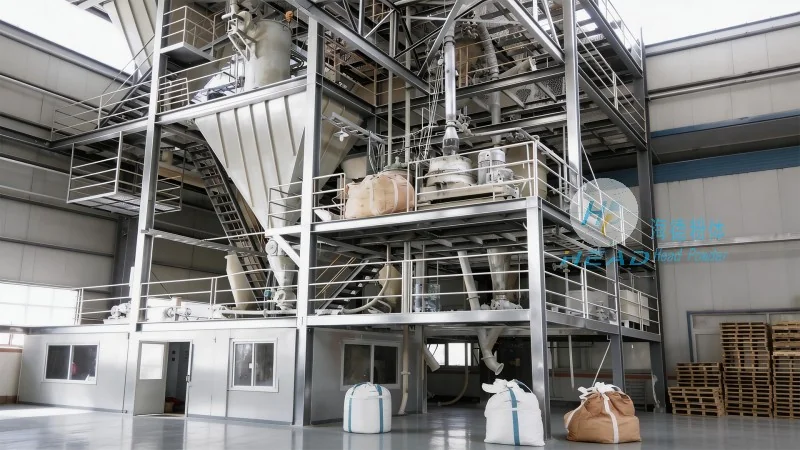
Negative pressure, or vacuum, conveying systems work by creating a lower pressure inside the conveying line compared to the ambient air, drawing the material into the system. This method is often preferred for longer distances and when dealing with lighter or more delicate materials. The Shandong HeadPowder Engineering Co., Ltd., based in China, offers advanced negative pressure solutions that are efficient and reliable for various applications.
One of the main benefits of negative pressure systems is their energy efficiency over long distances, as the vacuum is typically maintained only in the receiving end or along the entire line, reducing power consumption. They are also more compact and can be installed in tighter spaces, making them suitable for facilities with limited room. However, negative pressure systems may have limitations when handling very abrasive or high-volume materials, as the vacuum can sometimes struggle to maintain consistent material flow.
Distinguishing Factors and Decision-Making
Choosing between positive and negative pressure for stone chippings transport involves evaluating several key factors. The distance of the transport is a primary consideration; positive pressure is generally better for shorter distances, while negative pressure is more suitable for longer runs. Material characteristics, such as size, density, and abrasiveness, also play a critical role. For instance, positive pressure is often preferred for heavy, abrasive stone chippings, whereas negative pressure may be more appropriate for lighter, finer materials.
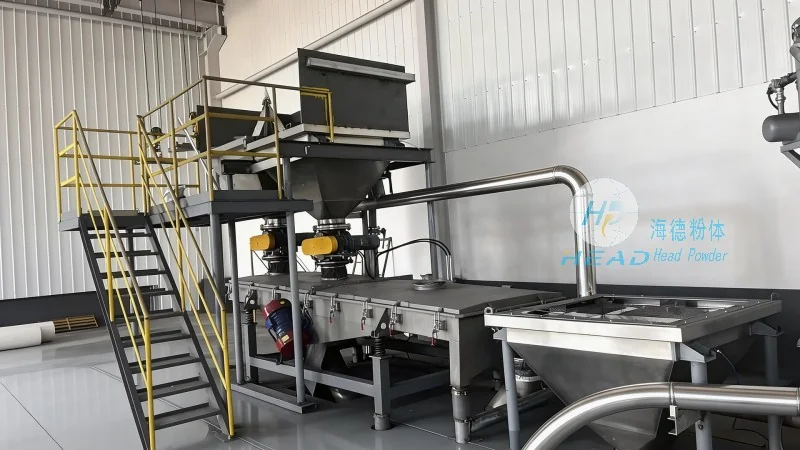
Operational requirements, including the need for speed, capacity, and system complexity, also influence the choice. Positive pressure systems may offer higher throughput rates, making them ideal for high-volume operations, whereas negative pressure systems might be preferred for applications requiring more precise control over material flow. Additionally, the overall cost, including initial investment and long-term operational expenses, should be considered. The headpowder company provides comprehensive solutions, helping clients assess these factors and select the most suitable conveying method for their specific needs.
Conclusion
Both positive pressure and negative pressure conveying systems have their place in stone chippings transport, and the choice depends on a combination of technical, operational, and economic factors. By understanding the fundamental differences in how each system operates, as well as the specific requirements of the material and the application, businesses can make a well-informed decision that enhances efficiency and reduces operational costs. The Shandong HeadPowder Engineering Co., Ltd., with its expertise and commitment to quality, stands ready to assist clients in selecting and implementing the optimal conveying solution for their stone chippings transport needs.