

[Iron Powder Conveying: Positive Pressure vs. Negative Pressure - How to Differentiate?]
When it comes to transporting iron powder, selecting the right conveying method is crucial for efficiency, safety, and operational reliability. Two primary approaches dominate the industry: positive pressure and negative pressure systems. Understanding the distinctions between these two methods is essential for making an informed decision that aligns with your specific production needs and material characteristics.
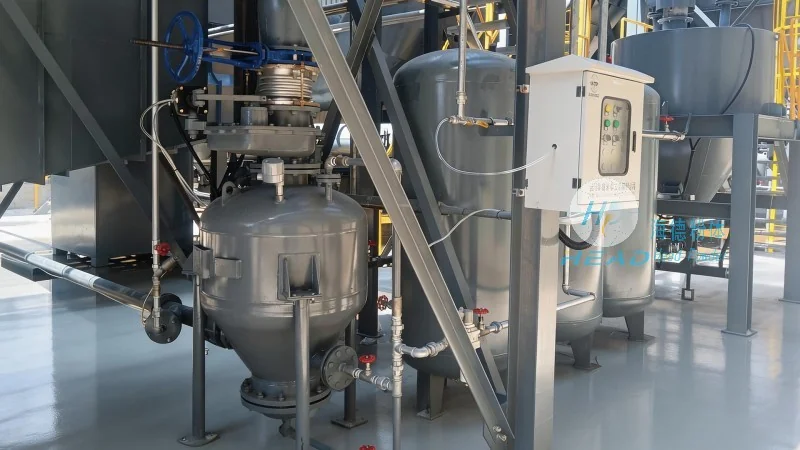
Understanding Positive Pressure Conveying
Positive pressure conveying systems operate by generating a higher pressure within the conveying line than the surrounding environment. This is typically achieved through the use of blowers or compressors that force air (or a carrier gas) through the pipeline, carrying the iron powder along with it. The key advantage of positive pressure systems is their ability to handle abrasive or corrosive materials without causing excessive wear on the equipment. They are also well-suited for applications where the material is sensitive to moisture or contamination, as the sealed system prevents external air from entering.
For iron powder, which can be fine and easily agglomerated, positive pressure systems often incorporate features like pulse-jetting or rotary valves to maintain consistent flow and prevent blockages. These systems are commonly used in industries where high material throughput is required, such as in chemical processing or metal powder production. The robust design of positive pressure conveyors ensures that they can handle the high pressure differentials needed to move iron powder over long distances or through complex piping networks.
Exploring Negative Pressure Conveying
Negative pressure, or vacuum, conveying systems work by creating a lower pressure inside the conveying line compared to the ambient air. This creates a suction effect that draws the iron powder into the system. Unlike positive pressure systems, negative pressure conveyors do not require high-pressure blowers, making them generally more energy-efficient for certain applications. They are particularly effective for handling light, fine powders that are prone to dusting or where the material needs to be transported from a source to a destination without generating excessive air flow.
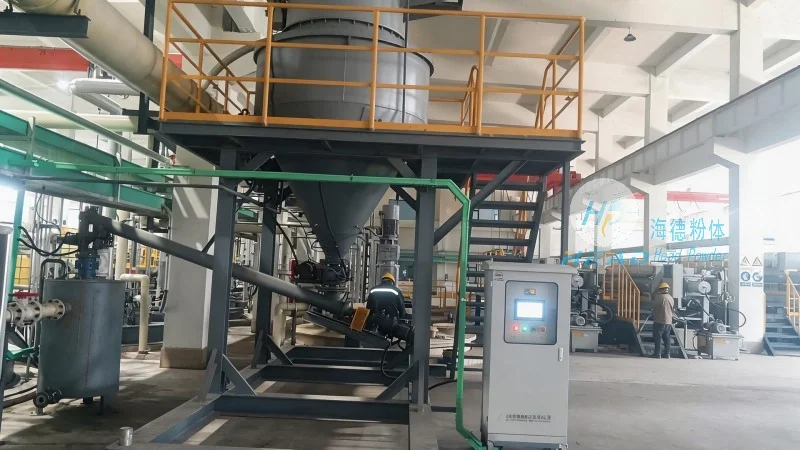
Iron powder, being a fine powder, can be challenging to handle with negative pressure systems due to the risk of clogging or poor material flow. However, modern negative pressure conveyors often include features such as cyclone separators and air filters to maintain system efficiency and prevent material buildup. These systems are ideal for applications where the material is to be collected from a hopper or a storage bin and transported to a processing unit, as they can handle the material without the need for high-pressure air.
Differentiating Between the Two Systems
The primary difference between positive and negative pressure conveying lies in the direction of air flow and the pressure differential. Positive pressure systems push air and material through the line, while negative pressure systems pull material into the system. This fundamental difference impacts several key aspects of operation, including energy consumption, material handling capabilities, and system maintenance.
Energy consumption is a significant factor when choosing between the two. Positive pressure systems typically require more energy due to the need to generate high-pressure air, whereas negative pressure systems are generally more energy-efficient for short-distance or low-volume applications. However, for long-distance or high-volume iron powder transport, the energy cost of positive pressure systems may be justified by their ability to handle larger quantities and more challenging material properties.
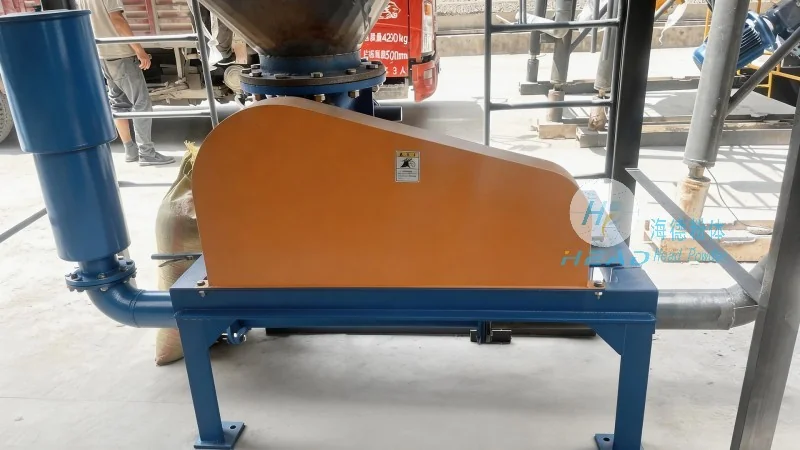
Material handling capabilities also vary between the two. Positive pressure systems are better suited for abrasive or corrosive materials, as the sealed system prevents wear and contamination. Negative pressure systems, on the other hand, are more effective for light, fine powders that are prone to dusting. The choice of system also depends on the specific characteristics of the iron powder, such as particle size, moisture content, and flowability. For example, if the iron powder is prone to agglomeration, a positive pressure system with pulse-jetting may be more effective in maintaining consistent flow.
Factors to Consider When Choosing a Conveying System
When deciding between positive and negative pressure conveying for iron powder, several factors should be considered. First, the distance and volume of material to be transported are critical. For short distances and low volumes, negative pressure systems may be sufficient. However, for long distances or high volumes, positive pressure systems are often more practical. Second, the material properties of the iron powder, including particle size, moisture content, and flowability, play a significant role. Abrasive or corrosive iron powders may require the robust design of positive pressure systems, while fine powders may benefit from the energy efficiency of negative pressure systems.
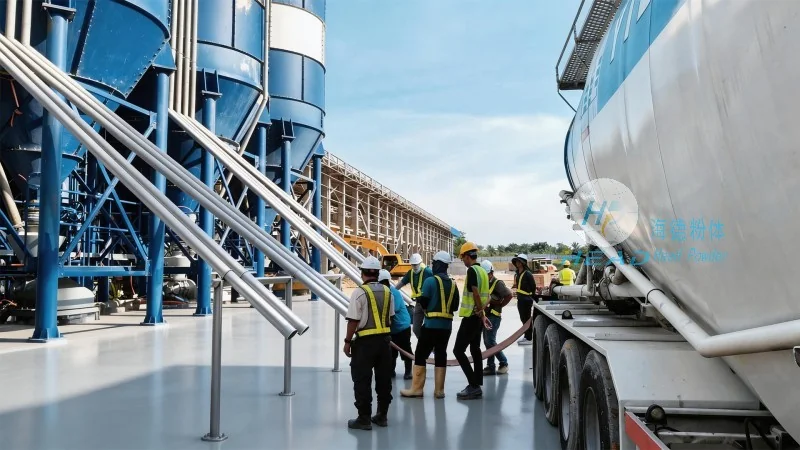
System maintenance and operational costs are also important considerations. Positive pressure systems typically require more maintenance due to the wear on components like blowers and valves, but they offer better material handling capabilities. Negative pressure systems are generally easier to maintain and have lower operational costs, but they may not be suitable for all material types. The choice of system should also take into account the overall production environment, including space constraints and the need for dust control. For example, in a cleanroom environment, a negative pressure system may be preferred to minimize dust generation, while a positive pressure system may be necessary for handling more aggressive materials.
Conclusion
Choosing between positive and negative pressure conveying for iron powder requires a careful evaluation of the specific requirements of your operation. Positive pressure systems offer robustness and the ability to handle challenging materials, while negative pressure systems provide energy efficiency and suitability for fine powders. By understanding the differences in operation, material handling capabilities, and operational costs, you can select the most appropriate conveying system for your needs.
Shandong HeadPowder Engineering Co., Ltd., a leading provider of iron powder handling solutions, specializes in designing and manufacturing customized conveying systems tailored to the unique needs of each client. With years of experience in the industry, our team of experts works closely with customers to assess their material characteristics and operational requirements, ensuring that the chosen system delivers optimal performance and reliability. Whether you need a positive pressure system for high-volume transport or a negative pressure system for fine powder handling, HeadPowder provides the expertise and equipment to meet your conveying needs efficiently and effectively.