

Choosing Positive Pressure or Negative Pressure for Silicon Powder Conveying? How to Distinguish?
When it comes to conveying silicon powder, selecting the right system is crucial for efficiency, safety, and cost-effectiveness. Two primary methods dominate the industry: positive pressure conveying and negative pressure conveying. Understanding the differences and applications of each is essential for making an informed decision. This article will explore the key aspects of both systems, helping you determine which is best suited for your specific needs.
Understanding the Basics of Conveying Systems
Conveying systems are designed to transport bulk materials like silicon powder from one location to another. The choice between positive and negative pressure systems depends on several factors, including material properties, distance, and environmental considerations. Positive pressure systems force air and material through the system, while negative pressure systems draw material into the system using a vacuum.
Positive Pressure Conveying Systems
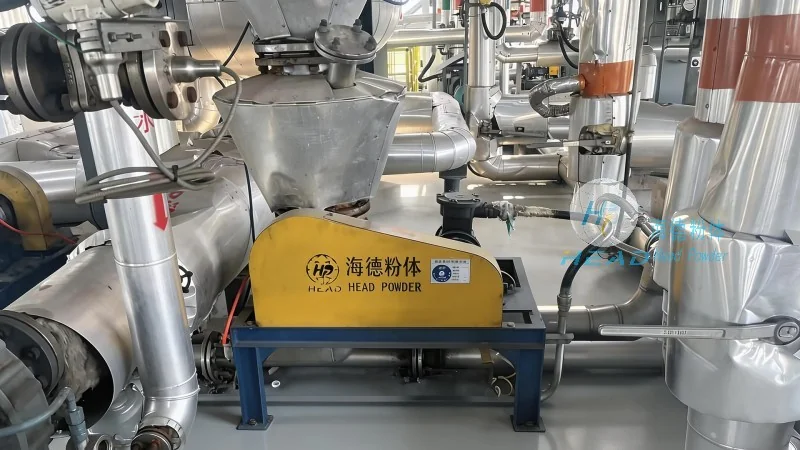
Positive pressure conveying, also known as pressure blow systems, operates by blowing air and material through a pipeline under pressure. This method is commonly used for materials that are abrasive, dusty, or have a tendency to clog. The high-pressure air creates a positive pressure environment, ensuring that the material is pushed through the system. For silicon powder, which can be fine and potentially hazardous, a positive pressure system can provide better control and safety. The system typically includes a blower, a hopper, and a pipeline with appropriate fittings. The blower generates the necessary pressure to move the material, while the hopper holds the silicon powder and feeds it into the pipeline. The pipeline is designed to handle the pressure and prevent leaks, ensuring that the material is conveyed efficiently and safely. Positive pressure systems are often preferred for applications where the material needs to be transported over longer distances or through multiple points of use.
Negative Pressure Conveying Systems
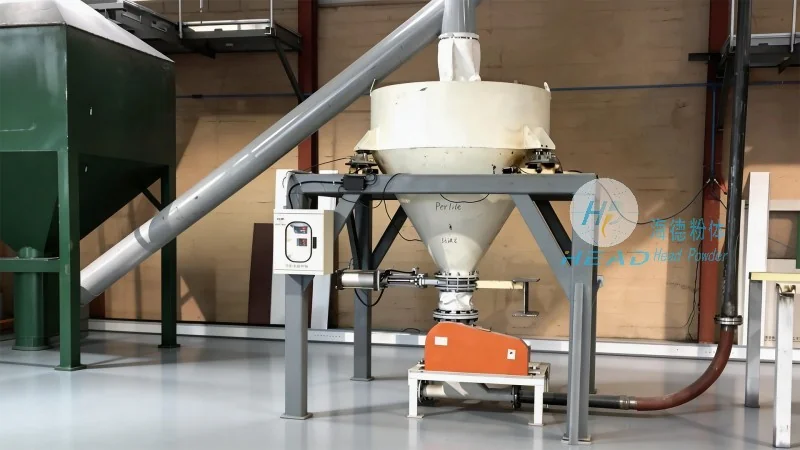
Negative pressure conveying, or vacuum suction systems, operates by creating a vacuum in the pipeline, which draws the material into the system. This method is commonly used for materials that are light, dusty, or have a tendency to create dust clouds. The vacuum creates a negative pressure environment, pulling the material through the system. For silicon powder, a negative pressure system can be effective if the material is not too abrasive or clogging. The system typically includes a vacuum pump, a hopper, and a pipeline with appropriate fittings. The vacuum pump generates the necessary suction to draw the material, while the hopper holds the silicon powder and feeds it into the pipeline. The pipeline is designed to handle the vacuum and prevent air leaks, ensuring that the material is conveyed efficiently and safely. Negative pressure systems are often preferred for applications where the material needs to be transported over shorter distances or where dust control is a priority.
Distinguishing Between Positive and Negative Pressure Systems
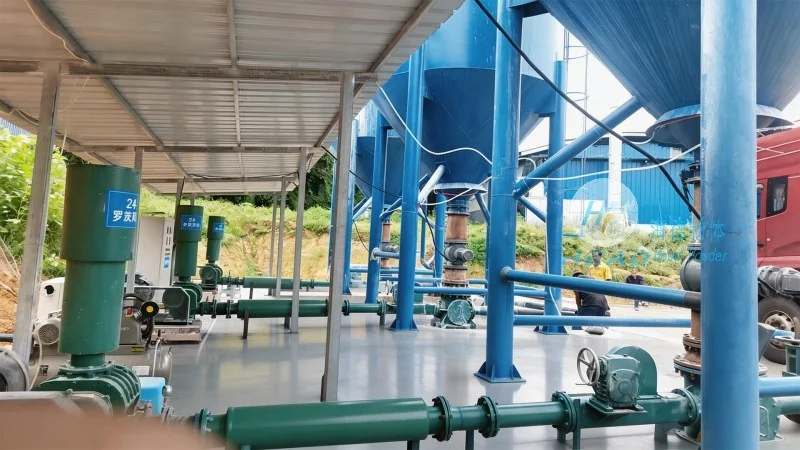
When deciding between positive and negative pressure systems for silicon powder conveying, several factors should be considered. First, the material properties of the silicon powder are critical. If the powder is fine and has a tendency to create dust, a negative pressure system may be more suitable to prevent dust from escaping into the environment. However, if the powder is abrasive or has a tendency to clog, a positive pressure system may be necessary to ensure efficient and safe conveying. Second, the distance and number of transfer points should be considered. Positive pressure systems are generally better for longer distances or multiple transfer points, as they can maintain pressure and prevent material buildup. Negative pressure systems are better for shorter distances or fewer transfer points, as they rely on suction to move the material. Third, the environmental and safety considerations should be taken into account. Positive pressure systems can provide better control over dust and emissions, while negative pressure systems may require additional filtration to prevent dust from escaping. Finally, the cost and maintenance of the system should be considered. Positive pressure systems may require more powerful blowers and higher pressure pipelines, while negative pressure systems may require more powerful vacuum pumps and filtration systems.
Applications and Use Cases
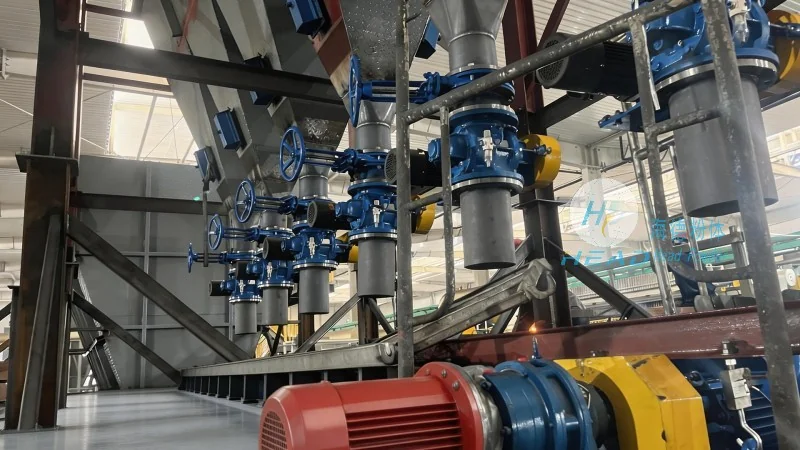
Positive pressure conveying systems are commonly used in industries such as chemical processing, food processing, and pharmaceuticals, where the material is abrasive or has a tendency to clog. For silicon powder, which is often used in the production of solar panels and other electronic components, a positive pressure system can provide the necessary control and safety. Negative pressure conveying systems are commonly used in industries such as agriculture, mining, and construction, where the material is light and dusty. For silicon powder, a negative pressure system can be effective if the material is not too abrasive or clogging. The choice between the two systems depends on the specific application and the properties of the silicon powder.
Conclusion
Choosing the right conveying system for silicon powder is essential for efficiency, safety, and cost-effectiveness. Positive pressure and negative pressure systems each have their advantages and disadvantages, and the choice depends on several factors, including material properties, distance, and environmental considerations. By understanding the basics of each system and considering the specific needs of your application, you can make an informed decision that will ensure efficient and safe conveying of silicon powder. Whether you choose a positive pressure or negative pressure system, it is important to ensure that the system is properly designed and maintained to prevent leaks and ensure the safety of the material and personnel.