

Choosing Between Positive Pressure and Negative Pressure for Coal and Sand Conveying: How to Differe
When it comes to conveying coal and sand materials, selecting the right type of pneumatic conveying system is crucial for efficiency and operational success. The two primary options are positive pressure and negative pressure systems, each with distinct characteristics and applications. Understanding the differences between these two approaches is essential for making an informed decision that aligns with specific operational needs. This article aims to provide a clear comparison of positive pressure versus negative pressure conveying for coal and sand, helping users identify the most suitable method for their requirements.
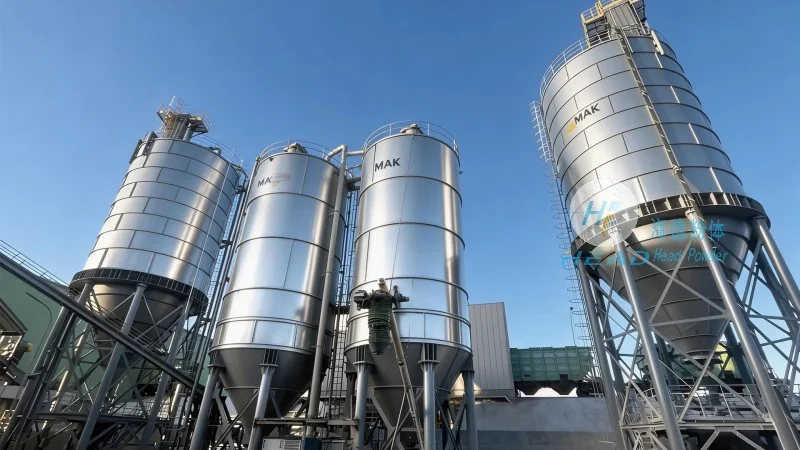
Introduction to Pneumatic Conveying Systems
Pneumatic conveying systems are widely used in industries dealing with bulk materials like coal and sand due to their ability to transport materials over long distances without the need for mechanical components like belts or buckets. These systems rely on air flow to move materials through a pipeline. The main distinction lies in the pressure differential between the conveying line and the ambient environment. Positive pressure systems operate by forcing air and material through the pipeline, while negative pressure systems draw material into the system using a vacuum.
Company Overview: Shandong HeadPowder Engineering Co., Ltd.
Shandong HeadPowder Engineering Co., Ltd., a leading manufacturer in the field, specializes in providing customized pneumatic conveying solutions for various industrial applications. With a strong presence in China, the company has built a reputation for delivering high-quality equipment and expert consultation. HeadPowder's expertise in material handling technology ensures that clients receive tailored solutions that meet their specific operational demands. The company's commitment to innovation and customer satisfaction has made it a trusted partner in the industry.
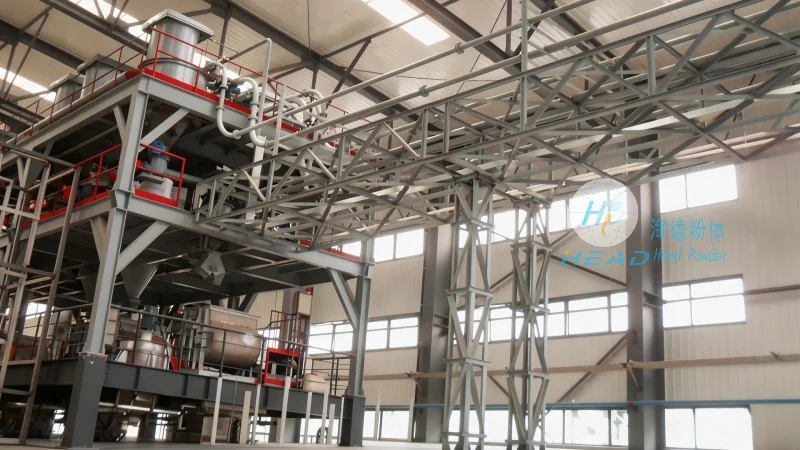
Positive Pressure Conveying: How It Works and Key Features
Positive pressure conveying systems are designed to push material through the pipeline by generating higher pressure inside the conveying line compared to the ambient air. This method involves a blower or compressor that supplies compressed air to the system. The key components include a hopper, a feeder, a pipeline, and a receiver. The compressed air forces the material to move along the pipeline, ensuring a continuous flow. Positive pressure systems are particularly effective for conveying materials over long distances and for handling abrasive or corrosive materials. They are also suitable for applications where the material needs to be delivered to multiple destinations.
Negative Pressure Conveying: Operational Principles and Advantages
Negative pressure conveying, also known as vacuum conveying, operates by creating a vacuum inside the pipeline, which draws material from the source into the system. A vacuum pump is used to remove air from the pipeline, creating a pressure differential that pulls the material along. This method is ideal for applications where the material is to be collected from a dispersed source or where the system needs to operate in a closed environment. Negative pressure systems are often preferred for handling fine powders or materials that are sensitive to pressure changes. They are also suitable for conveying materials that are prone to dust or contamination, as the system maintains a sealed environment.
Distinguishing Between Positive and Negative Pressure Systems
The primary way to differentiate between positive and negative pressure systems is based on the pressure differential and the direction of air flow. In positive pressure systems, the air and material are pushed through the pipeline, while in negative pressure systems, the material is drawn into the system using a vacuum. Another key difference is the impact on the environment. Positive pressure systems may release air and dust into the ambient environment, whereas negative pressure systems are more enclosed and help contain dust. The choice between the two depends on factors such as the material's properties, the distance to be conveyed, the number of destinations, and the need for environmental control. For example, if the material is abrasive and needs to be transported over long distances, a positive pressure system might be more suitable. Conversely, if the material is fine and needs to be handled in a clean environment, a negative pressure system could be the better choice.
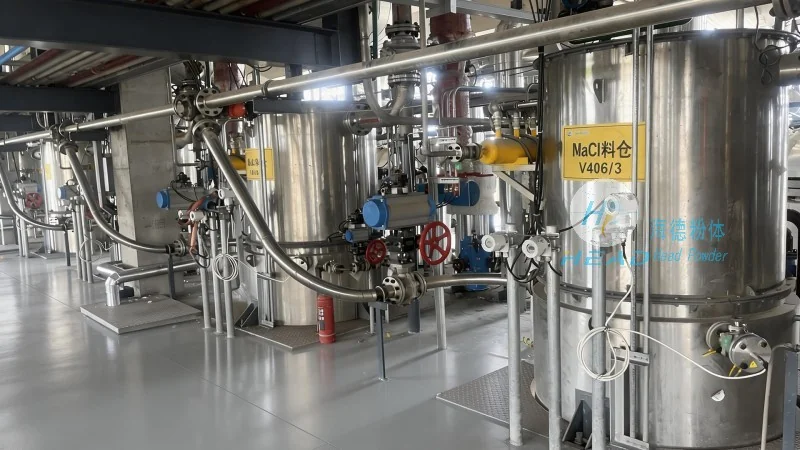
Application Considerations for Coal and Sand Conveying
When selecting a pneumatic conveying system for coal and sand, several factors must be considered. The particle size and density of the material play a significant role. Coarse coal and sand particles may require higher air velocities in a positive pressure system to ensure proper flow. On the other hand, fine powders may benefit from the controlled environment of a negative pressure system. The distance between the source and the destination is another critical factor. Positive pressure systems are generally more efficient for long-distance conveying, as they can maintain consistent pressure throughout the pipeline. Negative pressure systems are better suited for shorter distances or when the material needs to be collected from multiple points.
Conclusion: Making the Right Choice for Coal and Sand Conveying
Choosing between positive pressure and negative pressure for coal and sand conveying requires a thorough understanding of the material's characteristics and operational requirements. Positive pressure systems offer advantages in terms of long-distance transport and handling of abrasive materials, while negative pressure systems excel in maintaining a clean environment and handling fine powders. By evaluating factors such as material properties, distance, and environmental needs, users can select the most appropriate system. Shandong HeadPowder Engineering Co., Ltd. provides expert guidance and customized solutions to help clients make informed decisions, ensuring optimal performance and efficiency in their material handling operations.