

Positive Pressure vs. Negative Pressure Conveying for Xiaomi - How to Distinguish?
When it comes to material handling and conveying systems, the choice between positive pressure and negative pressure conveying can significantly impact the efficiency and effectiveness of operations. For companies like Xiaomi, which deal with a wide range of materials, understanding the nuances of each method is crucial. This article explores the key differences between positive pressure and negative pressure conveying, helping to clarify how to make the right choice for specific applications.
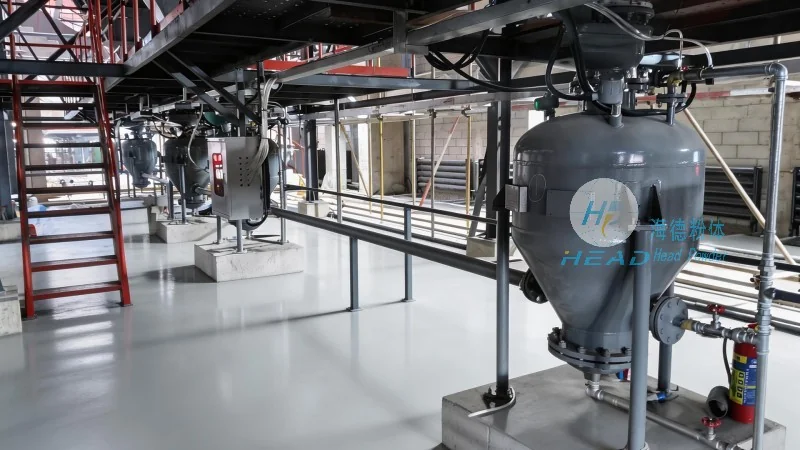
Understanding Conveying Systems
Conveying systems are essential in various industries, including manufacturing, logistics, and food processing. They are designed to transport bulk materials from one location to another. The primary difference between positive and negative pressure conveying lies in how air is used to move the material. Positive pressure systems force air into the system, while negative pressure systems create a vacuum to draw material in.
Positive Pressure Conveying
Positive pressure conveying, also known as pressure blowers or air knives, operates by blowing air into the conveying line. This method is particularly effective for transporting dry, free-flowing materials such as powders, granules, and small particles. The air pressure pushes the material forward, ensuring a consistent and reliable flow. This type of system is often used in applications where the material is sensitive to moisture or where there is a need to maintain a clean environment.
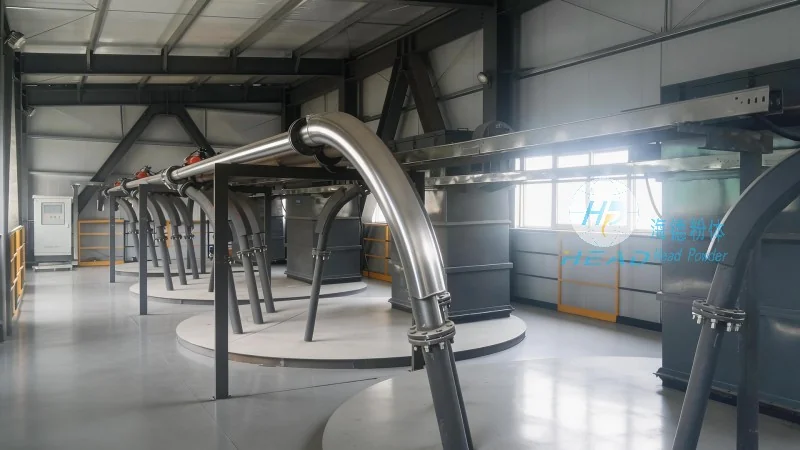
Negative Pressure Conveying
Negative pressure conveying, or vacuum systems, works by creating a vacuum in the conveying line. The vacuum pulls the material into the system, drawing it from the source to the destination. This method is ideal for handling dusty or fine materials that might be prone to dust generation. Negative pressure systems are commonly used in industries like pharmaceuticals, food processing, and chemical manufacturing, where maintaining a clean and controlled environment is paramount.
Distinguishing Between the Two
So, how can one distinguish between positive and negative pressure conveying? The key factors to consider include the nature of the material being conveyed, the environment requirements, and the system's overall efficiency. For instance, if the material is dry and non-abrasive, positive pressure might be more suitable. Conversely, if the material is fine and requires a dust-free environment, negative pressure could be the better option.
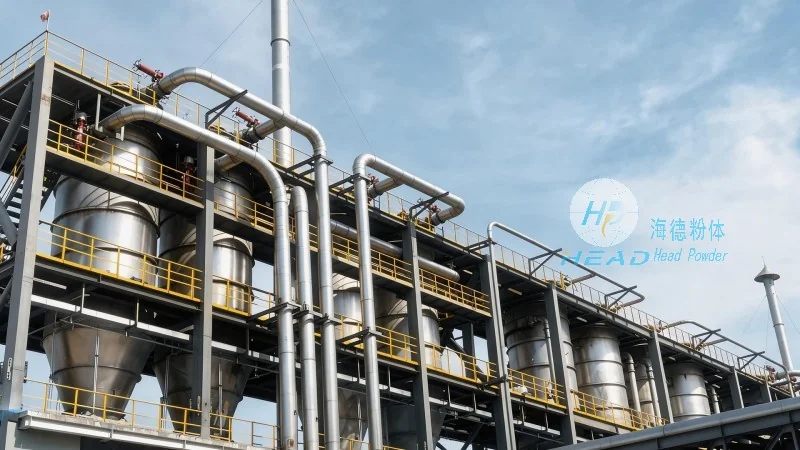
Application Examples for Xiaomi
For Xiaomi, which deals with various components and materials in its manufacturing processes, the choice of conveying system can vary based on the product type. For example, in the production of electronic components, where fine powders and granules are used, negative pressure systems might be preferred to minimize dust and maintain a clean workspace. On the other hand, for bulk materials like raw materials for packaging, positive pressure systems could be more efficient in moving large quantities quickly.
Conclusion
Choosing between positive pressure and negative pressure conveying for Xiaomi or any other company depends on a thorough understanding of the material characteristics and operational needs. By carefully evaluating the advantages and limitations of each system, businesses can select the most appropriate conveying method to enhance productivity and ensure compliance with industry standards. As a leading provider of conveying solutions, Shandong HeadPowder Engineering Co., Ltd. offers expert guidance and tailored systems to meet the specific requirements of clients, ensuring optimal performance and reliability in material handling operations.