

Choosing Between Positive Pressure and Negative Pressure for Caustic Soda Transportation: How to Dis
Caustic soda, also known as sodium hydroxide, is a widely used chemical in various industrial processes. Its transportation requires careful consideration of the method to ensure safety, efficiency, and compliance with industry standards. Two primary methods are commonly employed: positive pressure transportation and negative pressure transportation. Understanding the differences between these two approaches is crucial for selecting the most suitable option for a specific application.
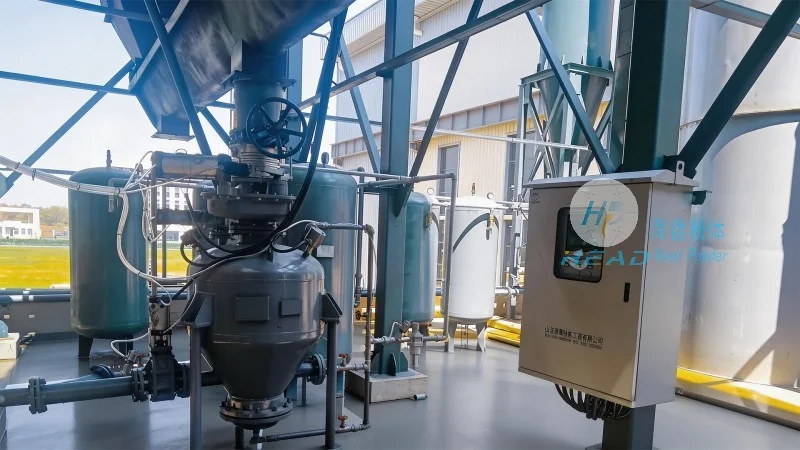
Understanding Positive Pressure Transportation
Positive pressure transportation involves the use of a pressurized system to move caustic soda. In this method, the caustic soda is pumped through a sealed pipeline under pressure, typically using a positive displacement pump or a centrifugal pump. The system maintains a positive pressure throughout the pipeline, preventing air from entering and ensuring a continuous flow. This approach is often preferred for long-distance transportation or when dealing with viscous or high-concentration solutions. The pressurized environment helps maintain the integrity of the caustic soda and reduces the risk of contamination from external air. The equipment used in positive pressure systems includes pressure vessels, valves, and pressure gauges to monitor and control the system's performance. This method is particularly effective for applications where the caustic soda needs to be delivered to multiple points or over extended distances.
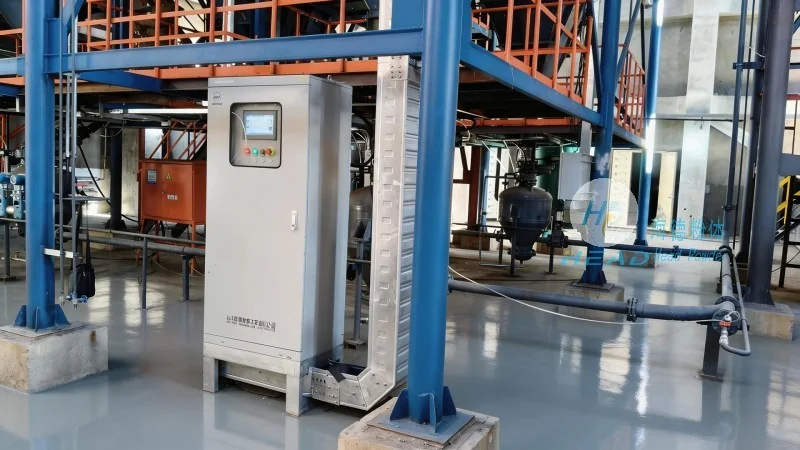
Understanding Negative Pressure Transportation
Negative pressure transportation, also known as vacuum or suction transportation, operates by creating a vacuum in the pipeline to draw the caustic soda from the source. This method uses a vacuum pump to create a pressure differential, allowing the caustic soda to flow from a higher pressure source to a lower pressure destination. Unlike positive pressure systems, negative pressure systems do not use pumps to push the fluid but rather rely on the pressure difference to move the material. This approach is often more cost-effective for shorter distances or when the caustic soda is in a less viscous state. The vacuum system helps prevent the caustic soda from coming into contact with air, which could lead to degradation or safety hazards. However, negative pressure systems are more susceptible to air leaks and require careful maintenance to ensure consistent performance. The components of a negative pressure system include vacuum pumps, vacuum gauges, and check valves to prevent backflow. This method is suitable for applications where the caustic soda is being transferred from a storage tank to a processing unit over a relatively short distance.
Distinguishing Between the Two Methods
The key differences between positive pressure and negative pressure transportation lie in the pressure dynamics and the equipment used. Positive pressure systems rely on external pressure to move the fluid, while negative pressure systems rely on the pressure differential created by a vacuum. The choice between the two methods depends on several factors, including the distance of transportation, the viscosity of the caustic soda, the required flow rate, and the available infrastructure. For instance, positive pressure is generally more suitable for long-distance or high-volume transportation, as it can maintain consistent pressure and flow. Negative pressure, on the other hand, is more appropriate for short-distance or low-volume applications, where the cost of a vacuum system is justified by the lower operational costs. Another critical factor is the safety considerations. Positive pressure systems are less prone to air ingress, reducing the risk of caustic soda degradation or hazardous reactions. Negative pressure systems, while cost-effective, require strict monitoring to prevent air leaks, which could compromise the quality of the caustic soda and pose safety risks. The choice of method also impacts the maintenance requirements. Positive pressure systems may require more frequent maintenance of pumps and pressure components, while negative pressure systems may need regular checks of vacuum pumps and seals. Ultimately, the selection of the appropriate transportation method for caustic soda should be based on a thorough analysis of the specific application's requirements, including safety, efficiency, and cost considerations.
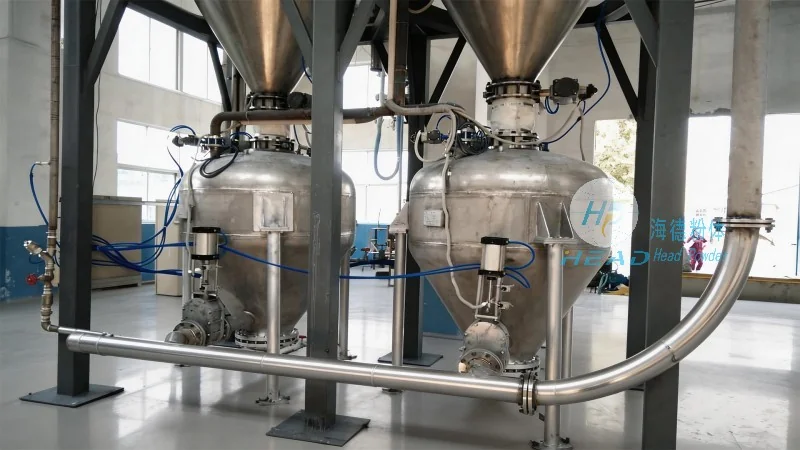
About Shandong HeadPowder Engineering Co., Ltd.
Shandong HeadPowder Engineering Co., Ltd., a leading company in the chemical engineering sector, specializes in providing comprehensive solutions for caustic soda transportation and related industrial processes. With a strong commitment to quality and safety, the company offers a range of equipment and services tailored to meet the diverse needs of its clients. HeadPowder's expertise in positive and negative pressure transportation systems ensures that clients receive reliable and efficient solutions for their caustic soda handling requirements. The company's facilities are located in Shandong, China, where it leverages advanced technology and experienced personnel to deliver high-performance products and services. By focusing on customer needs and adhering to industry best practices, HeadPowder has established itself as a trusted partner in the chemical industry, helping businesses optimize their caustic soda transportation processes and enhance overall operational efficiency.