

Choosing Between Positive Pressure and Negative Pressure for Rice Husk Conveying: How to Distinguish
When it comes to transporting rice husk, selecting the right conveying method is crucial for efficiency and cost-effectiveness. Two primary options are positive pressure conveying and negative pressure conveying. Understanding the differences and choosing the appropriate system can significantly impact operational performance. This article explores the key aspects of each method and provides guidance on how to make an informed decision for rice husk handling applications, with insights from Shandong HeadPowder Engineering Co., Ltd., a leading provider of conveying solutions.
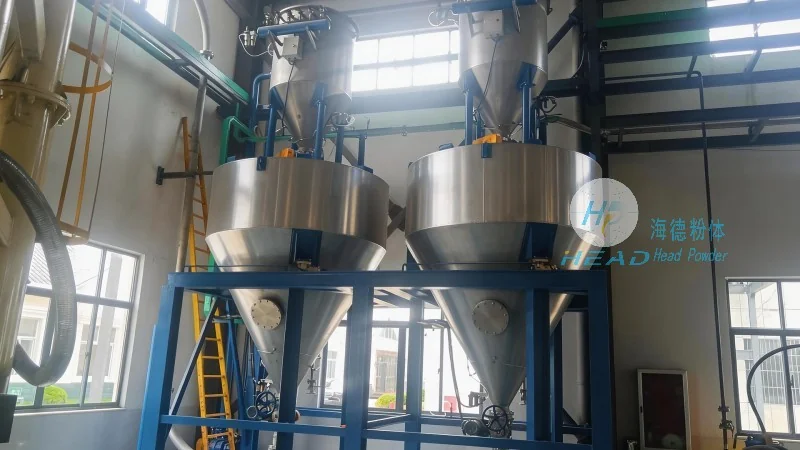
Understanding Positive Pressure Conveying for Rice Husk
Positive pressure conveying systems operate by blowing air or gas into the conveying line, creating a pressure higher than the ambient air. This method is often used for short to medium distances and can handle a wide range of materials, including rice husk. The primary advantages of positive pressure systems include high conveying capacity, ability to handle abrasive materials, and relatively simple design. However, they may require more energy and can be less efficient for long-distance transport compared to other methods.
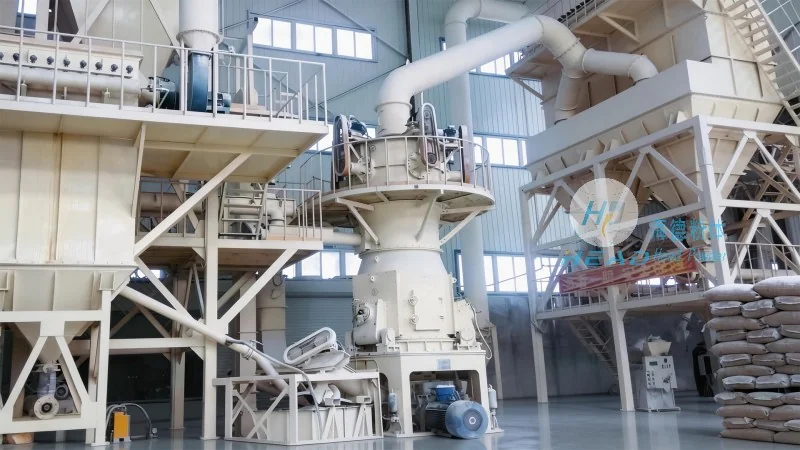
Exploring Negative Pressure Conveying for Rice Husk
Negative pressure conveying, also known as suction conveying, works by creating a vacuum in the conveying line, drawing material from the source. This method is typically used for longer distances and can be more energy-efficient for certain applications. The benefits of negative pressure systems include lower energy consumption for long-distance transport and the ability to handle fine powders and dust. However, they may have limitations in terms of conveying capacity and material handling, especially with larger or heavier particles like rice husk.
Distinguishing Between Positive and Negative Pressure Systems
Several factors should be considered when distinguishing between positive and negative pressure conveying for rice husk:
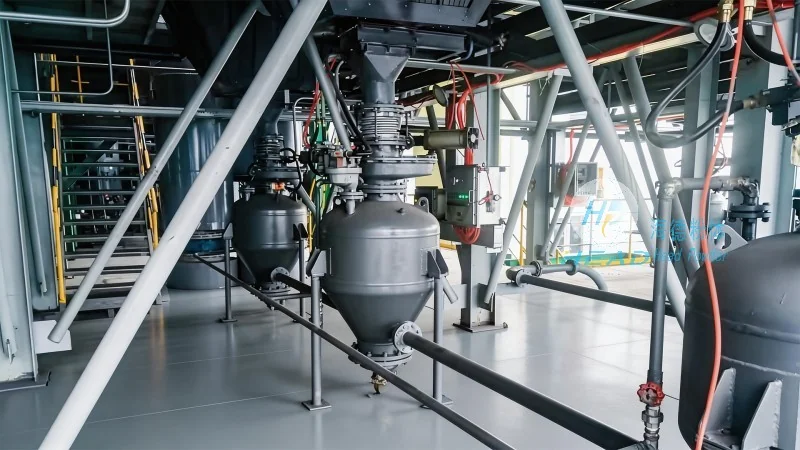
- Conveying Distance: Positive pressure is generally suitable for shorter distances (typically up to 100 meters), while negative pressure is more effective for longer distances (up to several hundred meters).
- Material Characteristics: Positive pressure is better suited for abrasive or heavy materials, whereas negative pressure may be preferred for fine powders or lighter materials.
- Energy Efficiency: For long-distance transport, negative pressure systems often consume less energy compared to positive pressure systems.
- System Complexity and Maintenance: Positive pressure systems may have simpler maintenance requirements, while negative pressure systems might require more complex vacuum equipment.
Factors to Consider When Choosing a Conveying System
When deciding between positive and negative pressure conveying for rice husk, several practical factors should be evaluated: