

Choosing Between Positive Pressure and Negative Pressure for Soap Pellet Conveying: How to Distingui
When it comes to conveying soap pellets, selecting the right type of system is crucial for efficiency, cost-effectiveness, and operational reliability. Two primary methods are commonly considered: positive pressure conveying and negative pressure conveying. Understanding the differences and appropriate applications of each is essential for making an informed decision. This article will explore the key aspects of both systems, helping you distinguish between them and choose the best option for your soap pellet handling needs.
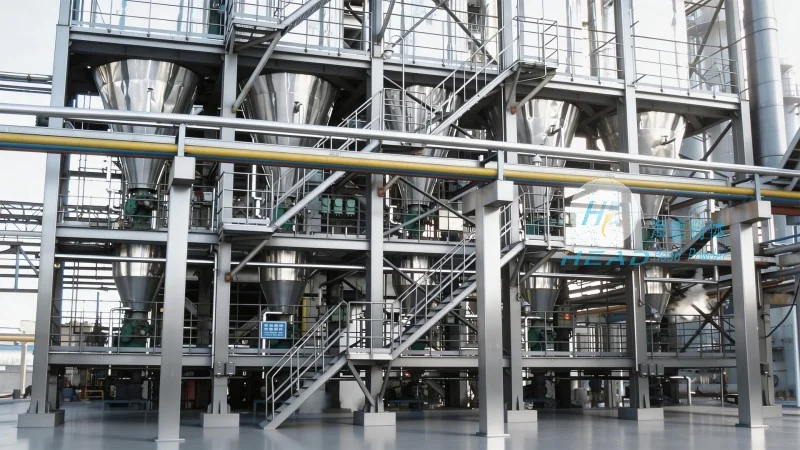
Understanding the Basics of Soap Pellet Conveying Systems
Soap pellets are a common product in the chemical and personal care industries, requiring specialized handling due to their size, density, and potential for dust generation. Conveying systems are designed to transport these pellets from one location to another within a production facility or between facilities. The choice of conveying method directly impacts the overall performance and safety of the operation.
Positive Pressure Conveying Systems
Positive pressure conveying systems operate by blowing air or a carrier gas into the conveying line, creating a pressure higher than the ambient air pressure. This method forces the soap pellets through the system, ensuring a continuous and reliable flow. The primary advantage of positive pressure systems is their ability to handle abrasive or dusty materials without causing excessive wear on components. They are also effective in preventing contamination from external sources, as the system is sealed and pressurized.
For soap pellet applications, positive pressure systems are often preferred when dealing with materials that are prone to caking or when a high degree of control over the conveying process is required. The pressurized environment helps maintain the integrity of the pellets and prevents them from breaking down during transport. Additionally, these systems can handle longer distances and higher material loads compared to negative pressure systems, making them suitable for large-scale production environments.
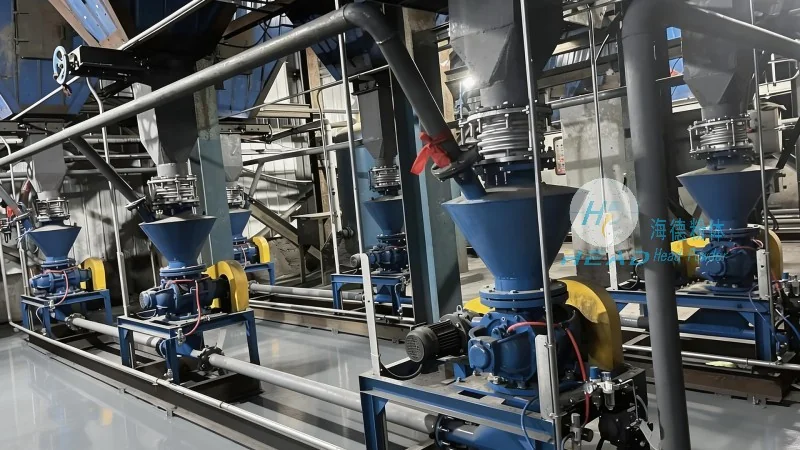
Negative Pressure Conveying Systems
Negative pressure conveying systems, also known as vacuum systems, work by creating a lower pressure inside the conveying line compared to the ambient air. This creates a suction effect that draws the soap pellets into the system. Unlike positive pressure systems, negative pressure systems rely on suction rather than pressure to move the material.
One of the main benefits of negative pressure systems is their lower energy consumption, as they do not require high-pressure air to force the material. This can result in cost savings, especially for long-distance or high-volume conveying tasks. However, negative pressure systems are generally less effective at handling abrasive or dusty materials, as the suction can cause wear on the system components and may lead to dust accumulation in the suction area.
In soap pellet applications, negative pressure systems are often used for shorter distances or when the material is less abrasive. They are particularly suitable for situations where the material is light and can be easily drawn into the system without causing excessive wear. However, these systems may require more frequent maintenance due to the potential for dust buildup and component wear.
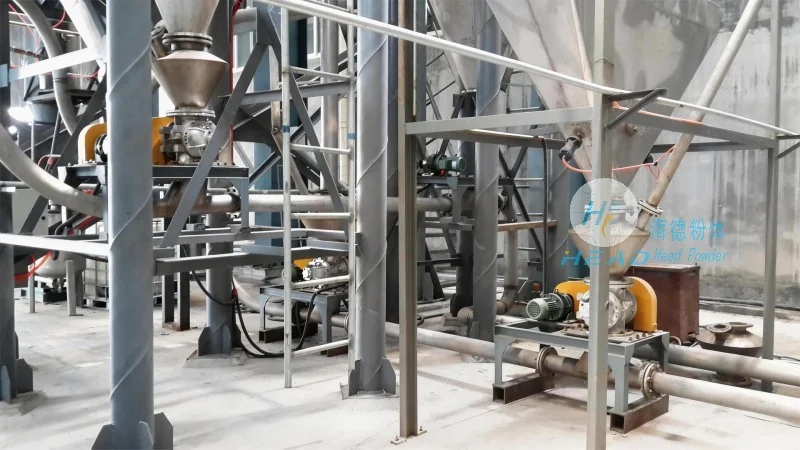
Distinguishing Between Positive and Negative Pressure Systems
When deciding between positive and negative pressure conveying systems for soap pellets, several factors should be considered. The first is the material characteristics: if the soap pellets are abrasive or prone to dust generation, a positive pressure system is often the better choice due to its ability to handle these conditions without excessive wear. Conversely, if the material is light and non-abrasive, a negative pressure system may be sufficient and more energy-efficient.
The second factor is the conveying distance and volume. Positive pressure systems are better suited for longer distances and higher material loads, as they can maintain consistent pressure and flow. Negative pressure systems are more appropriate for shorter distances or lower volumes, where the suction force is sufficient to move the material without excessive energy consumption.
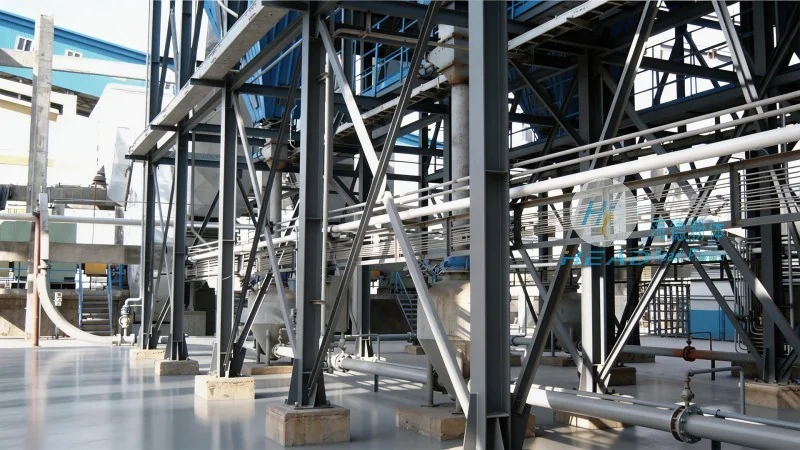
The third factor is the environmental and safety considerations. Positive pressure systems are generally safer as they prevent external contaminants from entering the system, which is critical in food and personal care applications where product purity is paramount. Negative pressure systems, while less expensive, may require additional filtration to prevent dust from escaping into the environment, which can be a concern in industrial settings.
Conclusion: Choosing the Right Conveying System for Soap Pellets
Ultimately, the choice between positive pressure and negative pressure conveying systems for soap pellets depends on a combination of factors, including material properties, conveying distance, and operational requirements. Positive pressure systems offer superior control, reliability, and safety, making them ideal for high-volume, long-distance applications. Negative pressure systems, on the other hand, provide cost savings and efficiency for shorter distances or less abrasive materials.
By carefully evaluating these factors and understanding the specific needs of your soap pellet handling operation, you can select the most appropriate conveying system. Whether you opt for a positive pressure or negative pressure solution, the goal is to ensure efficient, reliable, and safe transport of soap pellets from one point to another. This approach will help optimize your production processes and maintain the quality of your final product.