

Choosing Between Positive Pressure and Negative Pressure for Talc Powder Conveying: How to Distingui
When it comes to transporting talc powder, selecting the right conveying method is crucial for efficiency, safety, and operational costs. Two primary approaches are widely used in the industry: positive pressure conveying and negative pressure conveying. Understanding the differences between these two systems is essential for making an informed decision that aligns with your specific production needs. This article will explore the key aspects of both methods and provide guidance on how to distinguish between them effectively.
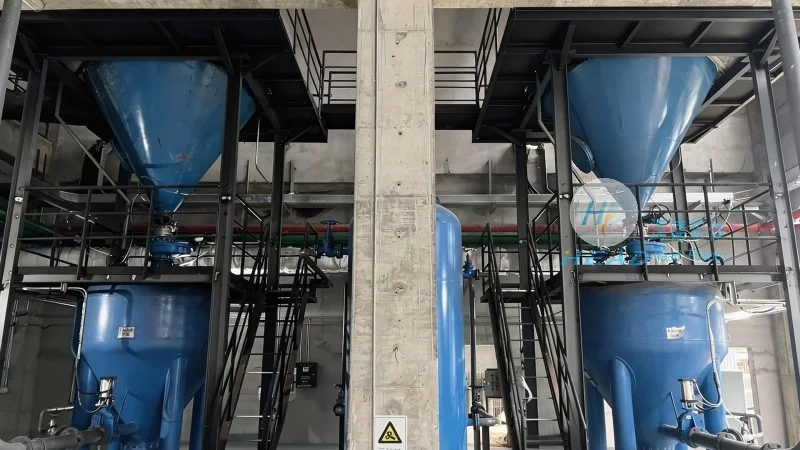
Positive pressure conveying systems operate by forcing air or gas through the material to be transported. The talc powder is drawn into the conveying line by a positive pressure source, such as a blower or a fan. This method is often preferred for applications where the material is abrasive or has a high moisture content, as the positive pressure helps to prevent material buildup and ensures consistent flow. The positive pressure system typically uses a closed loop, which minimizes dust emissions and maintains a controlled environment. This makes it suitable for environments where dust control is a priority, such as in pharmaceutical or food processing industries.
Negative pressure conveying, on the other hand, works by creating a vacuum in the conveying line. The talc powder is drawn into the system by the vacuum, and the air carrying the powder is then filtered and discharged. This method is generally more cost-effective for shorter distances and lower material volumes. However, it may not be as effective for handling abrasive or fine powders, as the vacuum can cause material to stick to the walls of the ductwork. Negative pressure systems are often used in applications where the material is non-abrasive and the distance to be covered is relatively short, such as in small-scale production facilities.
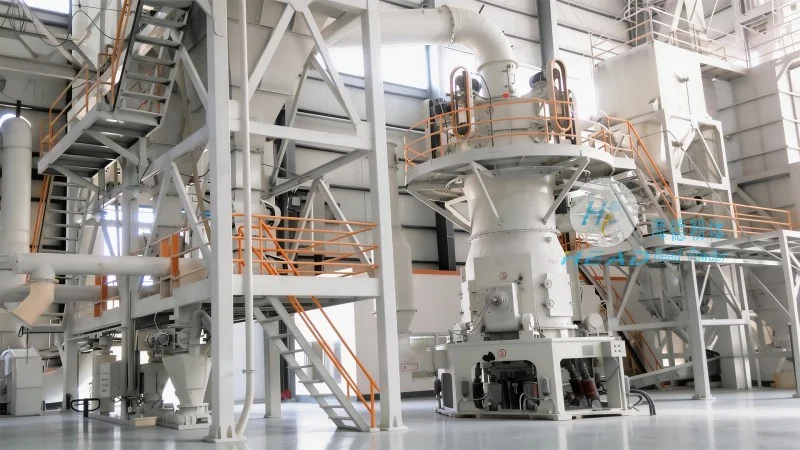
Key Factors to Consider When Choosing Between Positive and Negative Pressure Conveying
Several factors should be considered when deciding between positive and negative pressure conveying for talc powder. The first is the material characteristics of the talc powder itself. For example, if the powder is highly abrasive or has a high moisture content, a positive pressure system may be more suitable due to its ability to maintain consistent flow and prevent material buildup. Conversely, if the powder is non-abrasive and the distance is short, a negative pressure system may be more cost-effective.
The second factor is the distance and layout of the conveying system. Positive pressure systems are generally better suited for longer distances, as they can maintain pressure over longer lengths of ductwork. Negative pressure systems, however, are more suitable for shorter distances and may require more frequent maintenance due to the higher velocity of air in the system.
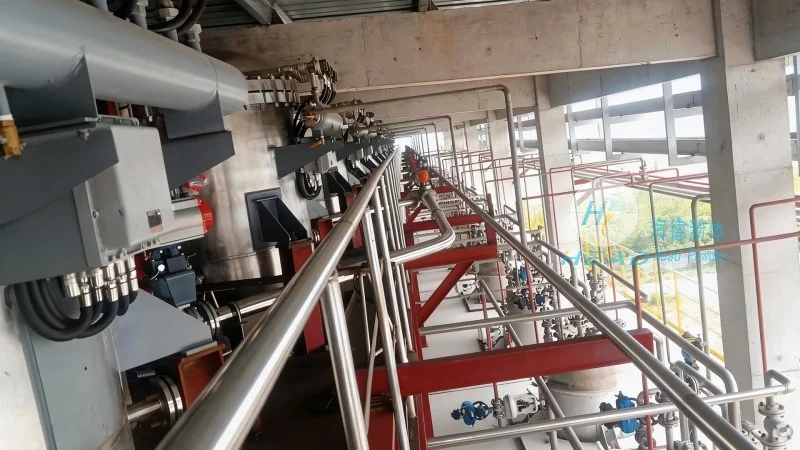
The third factor is the environmental requirements. Positive pressure systems are ideal for applications where dust control is critical, as they keep the material contained within the system. Negative pressure systems, while less expensive, may require additional filtration to meet environmental regulations. The choice between the two systems should also consider the available space and the overall layout of the production facility.
How to Distinguish Between Positive and Negative Pressure Conveying Systems
There are several ways to distinguish between positive and negative pressure conveying systems. The most obvious difference is the direction of air flow. In a positive pressure system, air is pushed through the material, while in a negative pressure system, air is pulled through the material. Another way to distinguish is by observing the pressure readings. Positive pressure systems will show a positive pressure reading at the inlet, while negative pressure systems will show a negative pressure reading at the inlet.
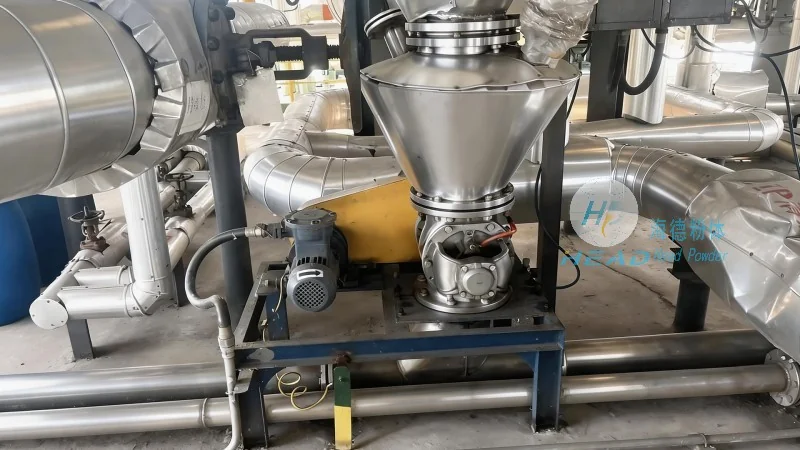
Additionally, the equipment used in each system differs. Positive pressure systems typically use blowers or fans to create the pressure, while negative pressure systems use vacuum pumps. The ductwork and filters also differ, with positive pressure systems often using larger ducts and more robust filters to handle the higher pressure and material load. Negative pressure systems, on the other hand, may use smaller ducts and less robust filters, as the air velocity is higher.
Conclusion
Choosing between positive pressure and negative pressure conveying for talc powder requires careful consideration of the material characteristics, the distance and layout of the system, and the environmental requirements. By understanding the differences between these two systems and evaluating your specific needs, you can select the most appropriate conveying method for your application. Whether you opt for a positive pressure or negative pressure system, it is important to ensure that the system is properly designed and maintained to achieve optimal performance and efficiency.