

Choosing Between Positive Pressure and Negative Pressure for Stone Coal Transport: How to Differenti
When it comes to transporting stone coal, selecting the appropriate system is crucial for efficiency, safety, and operational costs. Two primary methods are widely used: positive pressure transport and negative pressure transport. Understanding the differences and determining which system is best suited for a specific application is essential for optimizing the process. This article explores the key aspects of both positive and negative pressure systems, highlighting the factors that influence the choice between them.
Understanding Positive Pressure Transport for Stone Coal
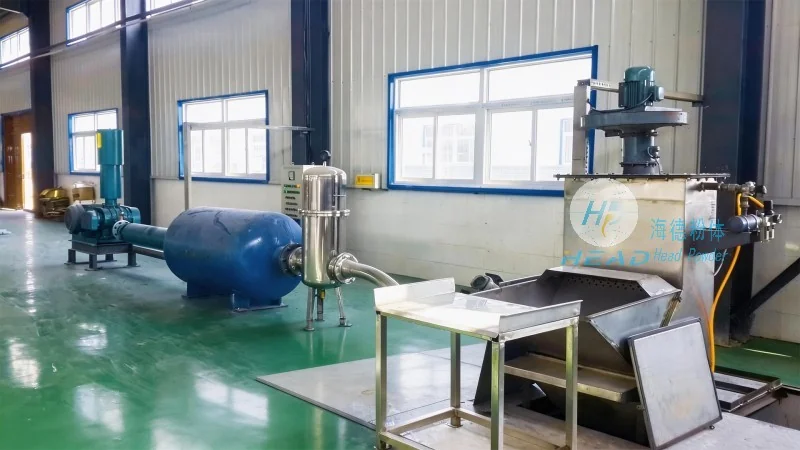
Positive pressure transport, also known as pressure blowers or forced air systems, operates by pushing the material through a pipeline using compressed air. In this system, the air pressure is higher than the ambient air pressure, ensuring that the material is propelled forward. This method is particularly effective for transporting materials that are prone to settling or caking, as the continuous airflow prevents blockages and maintains a consistent flow rate. The positive pressure system is often preferred for shorter to medium-distance transport, where the pressure drop is manageable and the material is not highly abrasive or explosive.
Advantages of Positive Pressure Systems
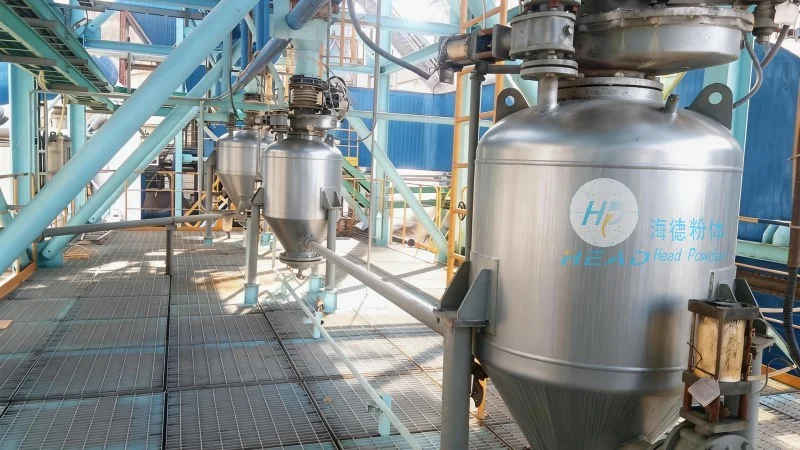
One of the main advantages of positive pressure transport is its ability to handle a wide range of materials, including those with high moisture content or sticky properties. The continuous airflow keeps the material suspended, reducing the risk of clogging and ensuring a smooth flow. Additionally, positive pressure systems are generally more reliable for transporting abrasive materials, as the air pressure helps to protect the pipeline from wear and tear. The system also allows for easier maintenance, as the components are typically less complex and the air pressure can be adjusted to suit different material characteristics. For example, in applications where the stone coal has a high dust content, a positive pressure system can effectively transport it without the need for additional filtration, making it a cost-effective solution for many industrial settings.
Exploring Negative Pressure Transport for Stone Coal
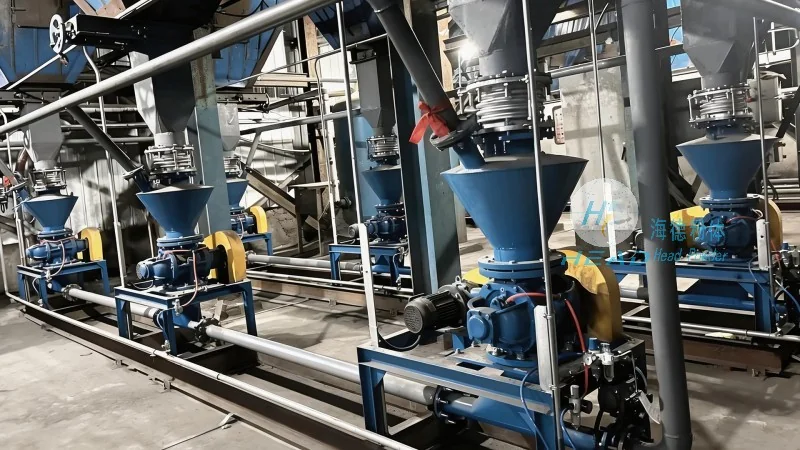
Negative pressure transport, or vacuum systems, works by creating a vacuum inside the pipeline, which draws the material into the system. The air pressure inside the pipeline is lower than the ambient air pressure, causing the material to be pulled along. This method is often used for longer-distance transport or when the material needs to be collected from multiple sources and transported to a central location. Negative pressure systems are particularly suitable for applications where the material is light and dusty, as the vacuum helps to capture and transport the particles without the need for high-pressure air. The system is also beneficial for environments where noise and vibration are concerns, as the vacuum operation is generally quieter than positive pressure systems.
Key Factors in Differentiating Between Systems
Choosing between positive and negative pressure transport for stone coal depends on several critical factors. The first consideration is the distance of the transport. Positive pressure systems are typically more suitable for shorter distances, as the pressure drop over longer lengths can become significant and require more powerful blowers. Conversely, negative pressure systems are better for longer distances, as the vacuum can maintain the material flow over greater distances without the need for additional boosters. The second factor is the material characteristics, such as particle size, moisture content, and abrasiveness. Materials with high moisture content or sticky properties may require positive pressure to prevent clogging, while light and dusty materials are better suited for negative pressure. The third factor is the safety considerations, especially in environments where explosive or hazardous materials are present. Positive pressure systems are generally safer for explosive materials, as they prevent the buildup of dust in the pipeline, while negative pressure systems may require additional explosion-proof measures. Finally, the cost and maintenance requirements should be evaluated. Positive pressure systems may have higher energy costs due to the need for compressed air, but they are often more straightforward to maintain. Negative pressure systems may have lower energy costs but require more complex vacuum equipment and regular maintenance to prevent clogging.
How Shandong HeadPowder Engineering Co., Ltd. Can Assist
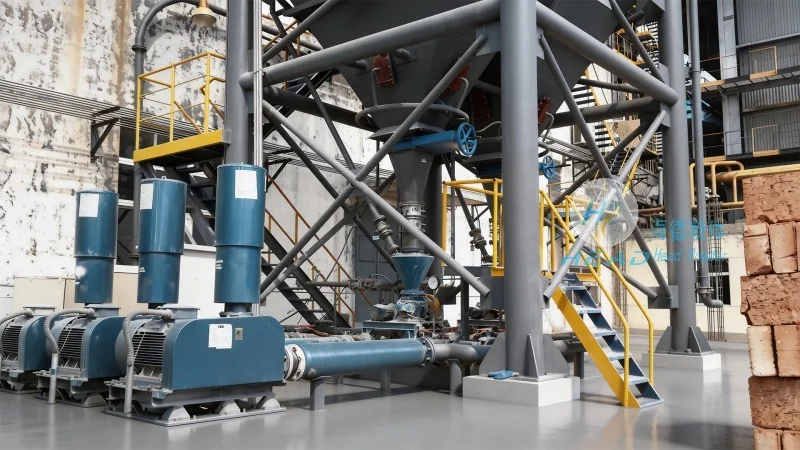
Shandong HeadPowder Engineering Co., Ltd., a leading provider of industrial transport solutions, specializes in designing and implementing both positive and negative pressure systems for stone coal transport. With years of experience in the industry, the company understands the unique challenges of handling stone coal and can provide customized solutions tailored to specific operational needs. The company's experts work closely with clients to assess the material characteristics, transport distance, and safety requirements to recommend the most appropriate system. For example, if a client needs to transport stone coal over a long distance with high dust content, the company may recommend a combination of negative pressure and positive pressure, using a vacuum system for collection and a positive pressure booster for the final transport. This approach ensures optimal performance while minimizing costs and maintenance. The company also provides comprehensive after-sales support, including regular maintenance and technical assistance, to ensure the system operates efficiently and safely. By choosing Shandong HeadPowder Engineering Co., Ltd., clients can benefit from the expertise and experience of a trusted partner in the field of stone coal transport, ensuring that their operations run smoothly and efficiently.