

[Selecting Positive Pressure or Negative Pressure Conveying for Peanut Kernels: How to Distinguish?]
When it comes to transporting peanut kernels, choosing the right conveying system is crucial for efficiency, product quality, and operational safety. Two common methods are positive pressure conveying and negative pressure conveying. Understanding the differences between these systems is essential for making an informed decision. This article will explore the characteristics of each method and provide guidance on how to choose the appropriate one for peanut kernel transport.
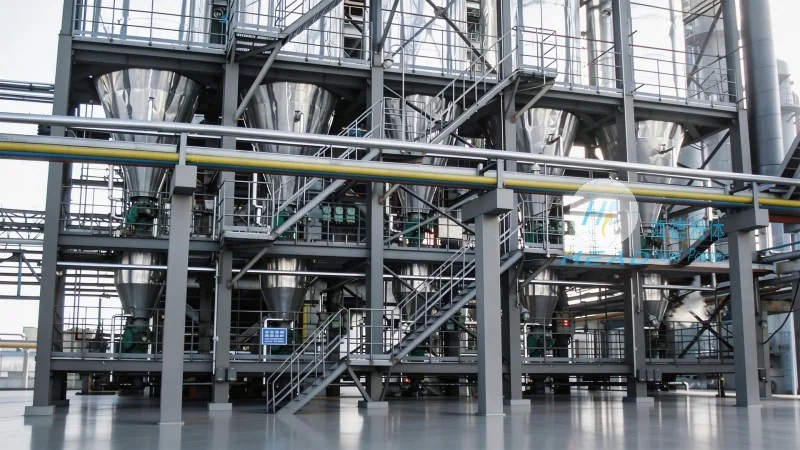
About HeadPowder Engineering Co., Ltd.
HeadPowder Engineering Co., Ltd., based in Shandong, China, is a leading manufacturer specializing in powder and bulk material handling solutions. With years of experience in the industry, HeadPowder provides high-quality conveying systems tailored to the needs of food processing and agricultural applications. The company’s expertise ensures that clients receive reliable equipment designed to meet stringent industry standards and operational requirements.
Understanding Conveying Systems for Peanut Kernels
Conveying systems are used to move bulk materials like peanut kernels from one location to another within a processing facility. The choice between positive pressure and negative pressure conveying depends on several factors, including the material's properties, the distance to be covered, and the environmental considerations of the operation.
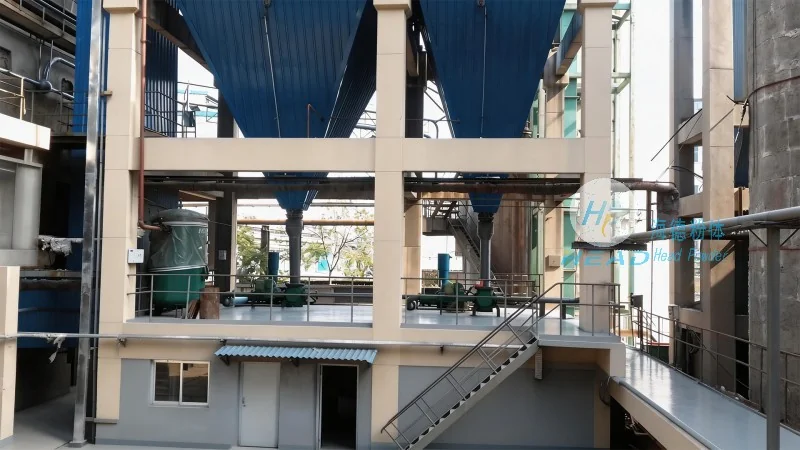
Positive Pressure Conveying: Key Features and Benefits
Positive pressure conveying involves blowing air or a carrier gas into a sealed pipeline to move the material. This method is often used for long-distance transport and is particularly effective for materials that are prone to dust or require airtight containment. For peanut kernels, positive pressure systems offer several advantages:
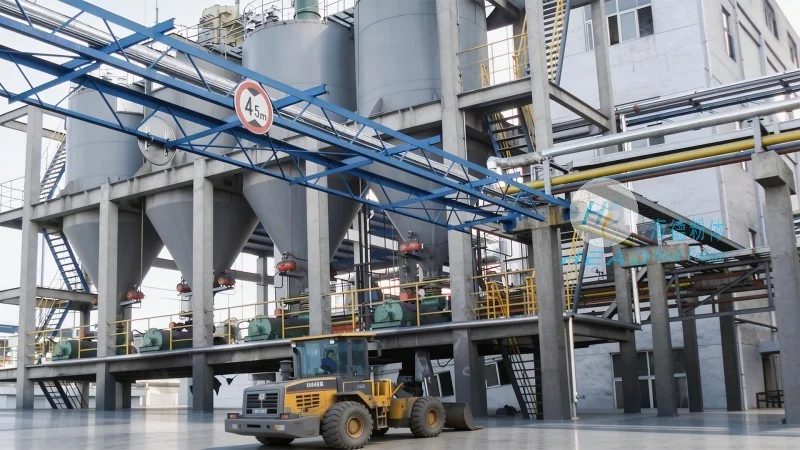
- Sealed Environment: The system operates under positive pressure, preventing dust from escaping into the environment and protecting the product from contamination.
- Efficient Material Handling: By maintaining consistent air pressure, positive pressure systems can handle large volumes of peanut kernels with minimal loss or degradation.
- Long-Distance Capability: These systems are well-suited for transporting materials over extended distances without significant pressure drops.
Negative Pressure Conveying: Characteristics and Applications
Negative pressure conveying, also known as suction conveying, uses a vacuum to draw material into a pipeline. This method is typically employed for shorter distances and is suitable for materials that are less prone to dust or where airtight containment is not critical. For peanut kernels, negative pressure systems have distinct characteristics:
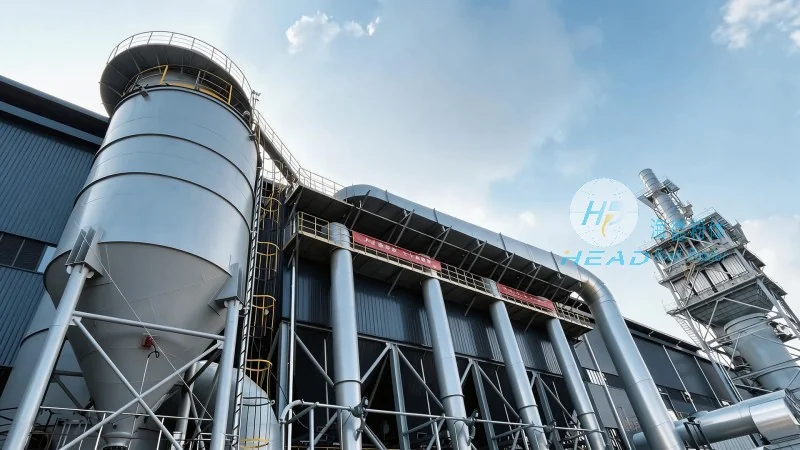
- Lower Airflow Requirements: Negative pressure systems generally require less air volume compared to positive pressure systems, making them more energy-efficient for short runs.
- Reduced Noise and Vibration: The suction process is often quieter and less disruptive, which can be beneficial in environments where noise control is a priority.
- Short-Distance Suitability: These systems are ideal for transporting materials over short distances, such as within a processing plant or between adjacent equipment.
How to Distinguish and Choose the Right Conveying System
When deciding between positive and negative pressure conveying for peanut kernels, several factors should be considered:
- Material Properties: Peanut kernels are relatively dry and can generate dust. If dust control is a primary concern, a positive pressure system may be preferable to prevent airborne contamination.
- Transport Distance: For long-distance transport (e.g., over 100 meters), positive pressure conveying is often more efficient and reliable. For shorter distances (e.g., under 50 meters), negative pressure conveying may suffice.
- Environmental Regulations: Some facilities have strict regulations regarding dust emissions. Positive pressure systems, with their sealed design, are better suited for compliance with such regulations.
- Energy Efficiency: Negative pressure systems may consume less energy for short runs, but positive pressure systems can be more cost-effective for long-term, high-volume operations.
HeadPowder's Solutions for Peanut Kernel Conveying
HeadPowder Engineering Co., Ltd. offers a range of conveying solutions tailored to the specific needs of peanut kernel transport. The company’s expertise allows for the design and implementation of both positive and negative pressure systems, ensuring optimal performance and reliability. By working closely with clients, HeadPowder can assess their operational requirements and recommend the most suitable conveying method, whether it be positive or negative pressure, to maximize efficiency and product quality.