

Alumina Powder Conveying: Positive Pressure vs. Negative Pressure - How to Distinguish?
When it comes to transporting alumina powder, choosing the right conveying method is crucial for efficiency, safety, and cost-effectiveness. Two primary options are positive pressure conveying and negative pressure conveying. Understanding the differences between these two systems is essential for selecting the most suitable solution for your specific application. This article will explore the characteristics, advantages, and considerations of both positive and negative pressure systems, helping you make an informed decision.
Positive Pressure Conveying Systems
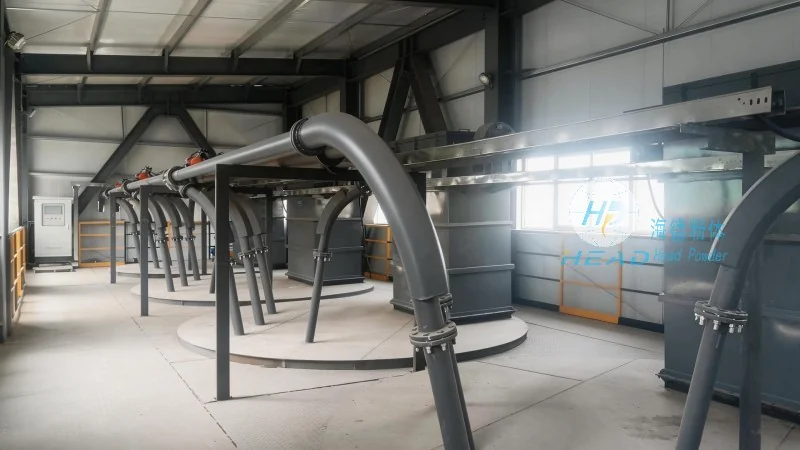
Positive pressure conveying, also known as pressure-fed or pressure-type conveying, operates by blowing air or gas into the material to move it through the system. The system is pressurized, ensuring that the material is pushed forward by the force of the air or gas. This method is often used for materials that are difficult to handle due to their properties, such as alumina powder, which can be abrasive, dusty, or have a tendency to clog.
Key features of positive pressure systems include:
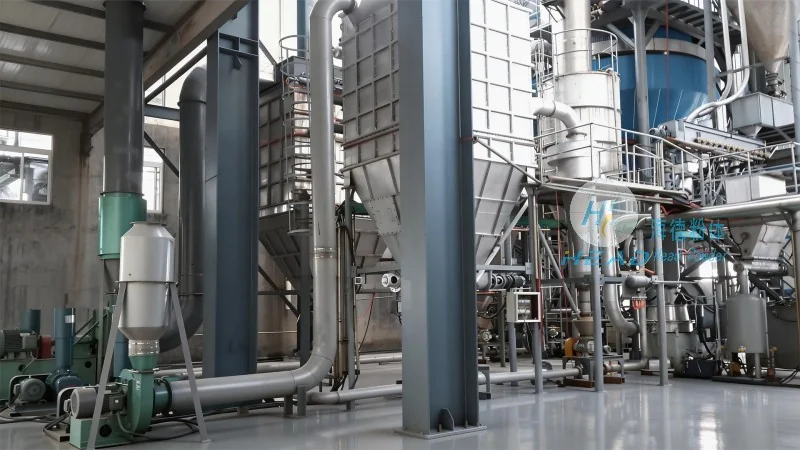
- Continuous and reliable material flow due to the constant pressure.
- Ability to handle long distances and high elevations.
- Reduced risk of material degradation or contamination as the system is sealed.
- Lower maintenance requirements compared to some negative pressure systems.
However, positive pressure systems may require more energy to operate and can generate higher noise levels. They also need proper ventilation to manage the air emissions, which is important for environmental compliance.
Negative Pressure Conveying Systems
Negative pressure conveying, or vacuum-type conveying, works by creating a vacuum in the system to draw the material into the conveying line. The material is pulled by the suction force, moving it from the source to the destination. This method is typically used for materials that are light, dusty, or have a tendency to generate dust during handling.
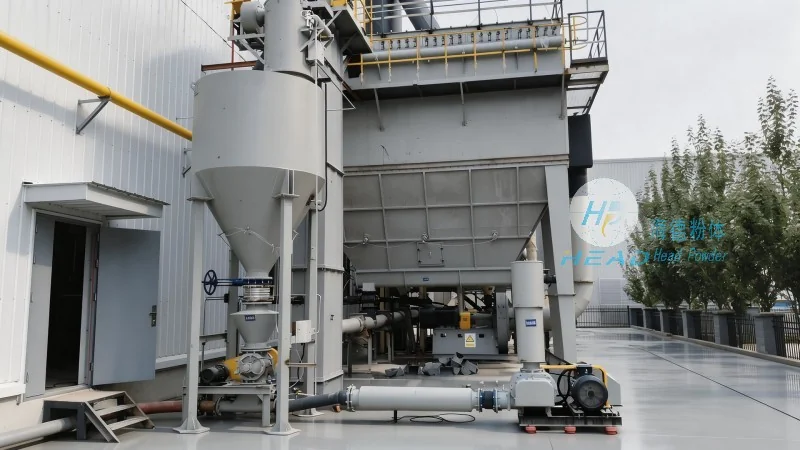
Key features of negative pressure systems include:
- Quieter operation compared to positive pressure systems, as the material is drawn rather than pushed.
- Lower energy consumption, as the system only needs to create a vacuum rather than maintain high pressure.
- Reduced risk of material spillage or leakage, as the system is sealed and the material is contained within the line.
- Ability to handle materials with higher moisture content or those that are more prone to clogging.
However, negative pressure systems may have limitations in terms of conveying distance and material capacity. They also require more maintenance to ensure the vacuum pump and filters are functioning properly to prevent dust buildup and system failure.
How to Differentiate and Choose the Right System
Choosing between positive and negative pressure conveying for alumina powder depends on several factors, including the material characteristics, conveying distance, elevation changes, and environmental regulations. Here are some key considerations to help you decide:
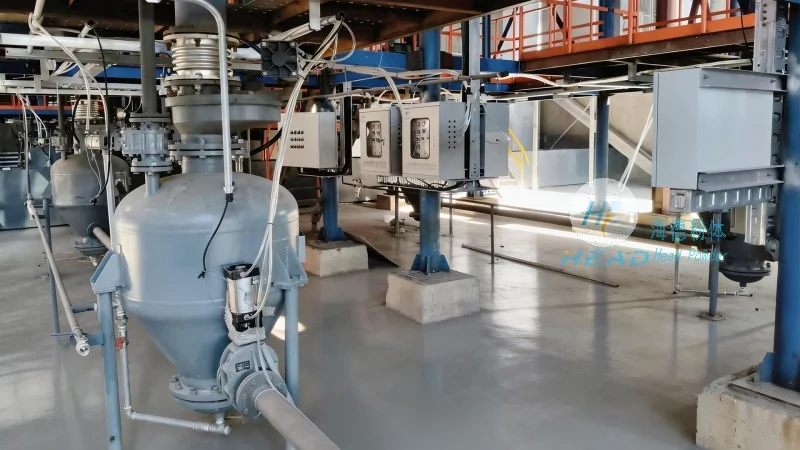
- Material Properties: If the alumina powder is abrasive or has a tendency to clog, a positive pressure system may be more suitable due to its ability to handle higher pressures and maintain consistent flow. For lighter, dustier materials, a negative pressure system might be preferred.
- Conveying Distance and Elevation: Positive pressure systems are generally better for longer distances and higher elevations, as they can maintain pressure over greater distances. Negative pressure systems are more suitable for shorter distances and lower elevations.
- Environmental and Safety Requirements: Positive pressure systems may require more extensive ventilation and dust control measures, while negative pressure systems are often better for applications where noise and air emissions are a concern.
- Energy Consumption and Operating Costs: Negative pressure systems typically consume less energy, which can lead to lower operating costs over time. Positive pressure systems may have higher energy requirements but can offer lower maintenance costs.
It is also important to consider the specific application and the overall system design. For example, if the alumina powder is being transported to a storage silo or a processing plant, the system may need to handle different flow rates or pressures. Consulting with a professional conveyor system supplier, such as Shandong HeadPowder Engineering Co., Ltd., can provide valuable insights into the best solution for your needs.
About Shandong HeadPowder Engineering Co., Ltd.
Shandong HeadPowder Engineering Co., Ltd., commonly known as HeadPowder, is a leading provider of alumina powder conveying solutions. With years of experience in the industry, HeadPowder specializes in designing and manufacturing high-quality conveyor systems tailored to the unique needs of clients in various industries, including ceramics, refractories, and chemical processing. The company's expertise lies in understanding the properties of different powders and selecting the most appropriate conveying method to ensure efficient and reliable material transport. HeadPowder's commitment to quality and customer satisfaction has made it a trusted partner for businesses seeking reliable alumina powder handling solutions.