

Choosing Positive Pressure or Negative Pressure for Biomass Powder Conveying? How to Distinguish Bet
When it comes to transporting biomass powders, selecting the right conveying method is crucial for efficiency, cost-effectiveness, and operational safety. Two primary options often considered are positive pressure conveying and negative pressure conveying. Understanding the differences between these two systems is essential for making an informed decision that aligns with specific application requirements. This article will explore the key distinctions between positive and negative pressure systems, helping you determine which approach is best suited for your biomass powder handling needs.
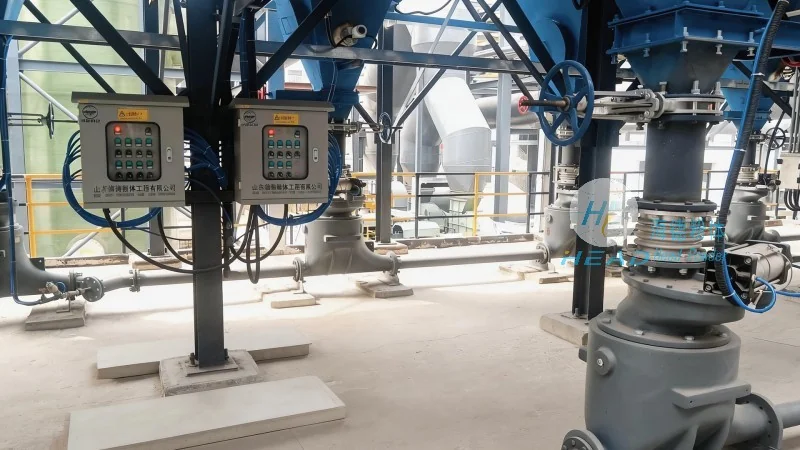
Introduction to Biomass Powder Conveying Systems
Biomass powders, such as wood chips, agricultural residues, or other organic materials processed into fine powders, present unique challenges during transportation due to their particle size, moisture content, and potential for dust generation. Conveying systems must be designed to handle these characteristics effectively while minimizing material loss, equipment wear, and environmental impact. Positive pressure and negative pressure conveying are two widely used technologies in the industry, each with distinct operational principles and advantages.
Positive Pressure Conveying Systems
Positive pressure conveying systems operate by forcing air or a carrier gas through the material to be transported. The system creates a pressure higher than the ambient air pressure, which propels the biomass powder through the pipeline. This method is often preferred for applications requiring high material throughput, long-distance transport, or the handling of abrasive or corrosive powders. The positive pressure system typically involves a blower or fan that generates the necessary pressure to move the material. The design of the pipeline and the placement of the fan are critical factors in ensuring efficient material flow. Positive pressure systems are generally more robust and can handle a wider range of material types compared to negative pressure systems. However, they may require more maintenance and energy input due to the higher pressure requirements.
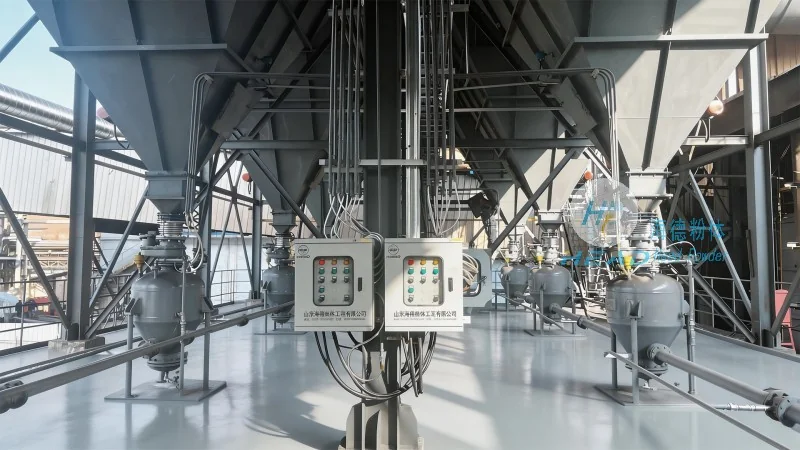
Negative Pressure Conveying Systems
Negative pressure conveying, also known as suction or vacuum conveying, works by creating a lower pressure inside the pipeline compared to the ambient air pressure. This pressure differential draws the biomass powder into the system and transports it to the destination. Negative pressure systems are commonly used for shorter distances or when the material is light and less abrasive. They are often more energy-efficient for low-volume applications and can be more compact in design. The key advantage of negative pressure systems is their ability to handle fine powders without causing excessive wear on the equipment. However, they may be less suitable for high-volume or long-distance transport due to potential issues with material clogging and the need for more frequent cleaning of the suction lines.
Distinguishing Between Positive and Negative Pressure Systems
The primary difference between positive and negative pressure conveying lies in the direction of air flow and the pressure differential within the system. In positive pressure systems, air is pushed through the material, while in negative pressure systems, air is pulled through the material. This fundamental difference impacts several operational aspects, including material handling capacity, energy consumption, and equipment maintenance. Positive pressure systems are generally more powerful and can handle larger volumes of material, making them ideal for industrial-scale applications. Negative pressure systems, on the other hand, are more delicate and require careful management to prevent material buildup and ensure consistent performance.
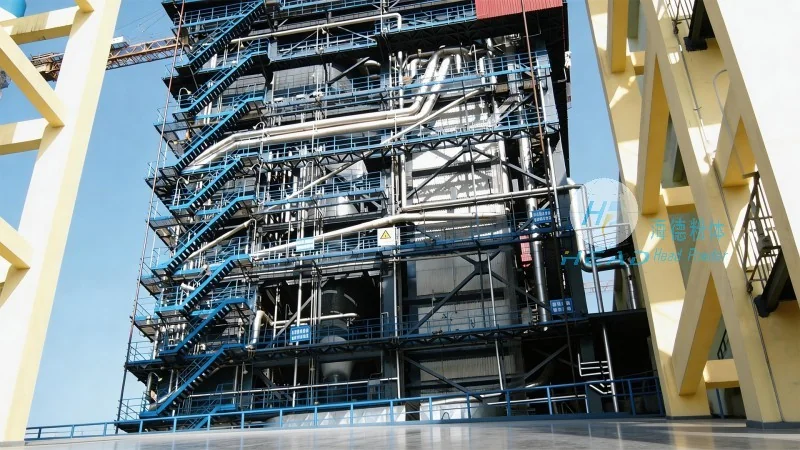
Factors to Consider When Choosing a Conveying System
When deciding between positive and negative pressure conveying for biomass powders, several factors should be evaluated. The first consideration is the material characteristics, such as particle size, moisture content, and dust generation potential. Coarser or more abrasive powders may benefit from the robustness of positive pressure systems, while fine powders might be better suited for negative pressure systems to avoid excessive wear. The distance and volume of material to be transported are also critical. Long-distance or high-volume transport typically favors positive pressure systems, whereas shorter distances or lower volumes may allow for the use of negative pressure systems. Energy efficiency and operational costs are additional factors. Positive pressure systems may require more energy but offer higher throughput, while negative pressure systems can be more energy-efficient for smaller applications. The available space and layout of the facility also play a role, as positive pressure systems may require larger fan units and more extensive piping.
Conclusion
Choosing between positive pressure and negative pressure conveying for biomass powder transport depends on a careful assessment of the specific application requirements. Positive pressure systems offer high capacity and robust performance, making them suitable for industrial-scale operations. Negative pressure systems, while more energy-efficient for low-volume applications, are better suited for handling fine powders and shorter distances. By understanding the operational principles and key differences between these two systems, you can select the most appropriate conveying method to ensure efficient, cost-effective, and safe biomass powder handling. Whether you are operating a large-scale biomass processing plant or a smaller facility, the choice of conveying system will significantly impact overall operational efficiency and long-term success.