

Selecting Positive Pressure or Negative Pressure for Synthetic Rubber Conveying: How to Distinguish?
When it comes to conveying synthetic rubber, choosing the right system is crucial for efficiency, safety, and operational longevity. Two primary methods dominate the industry: positive pressure conveying and negative pressure conveying. Understanding the differences between these two approaches is essential for selecting the optimal solution for your specific application. This article will explore the key factors to consider when deciding between positive and negative pressure for synthetic rubber handling, ensuring you make an informed decision that aligns with your operational needs.
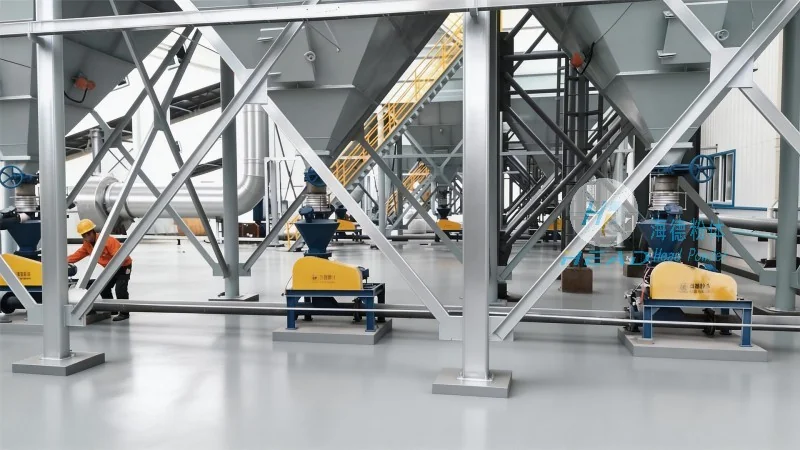
Understanding the Basics: Positive Pressure vs. Negative Pressure Conveying
Positive pressure conveying involves forcing material through a system using a blower or fan that generates air pressure above atmospheric levels. This method is often preferred for applications requiring high material flow rates and the ability to transport materials over long distances or through complex piping networks. The pressurized air pushes the synthetic rubber particles forward, ensuring consistent and reliable material movement. This approach is particularly effective for handling abrasive or sticky materials, as the high-pressure air can help break up agglomerates and maintain a smooth flow.
Key Advantages of Positive Pressure Conveying for Synthetic Rubber
One of the main benefits of positive pressure systems is their ability to handle a wide range of synthetic rubber types, including those with high moisture content or fine particles. The pressurized air helps to keep the material suspended and prevents clogging in the conveying lines. Additionally, positive pressure systems are generally more straightforward to install and maintain, as they do not require complex vacuum setups. This makes them an attractive option for facilities with limited technical expertise or those looking to minimize operational downtime.
Considerations for Negative Pressure Conveying in Synthetic Rubber Handling
Negative pressure conveying, also known as vacuum conveying, works by creating a lower pressure in the system than the surrounding atmosphere, drawing material into the conveying line. This method is often used for applications where the material needs to be collected from multiple sources or where the conveying distance is relatively short. Negative pressure systems are particularly effective for handling lightweight or low-density synthetic rubber, as the vacuum helps to maintain a consistent flow without the need for high air speeds. However, they may not be as efficient for handling abrasive or sticky materials, as the lower air pressure can lead to clogging or reduced material throughput.
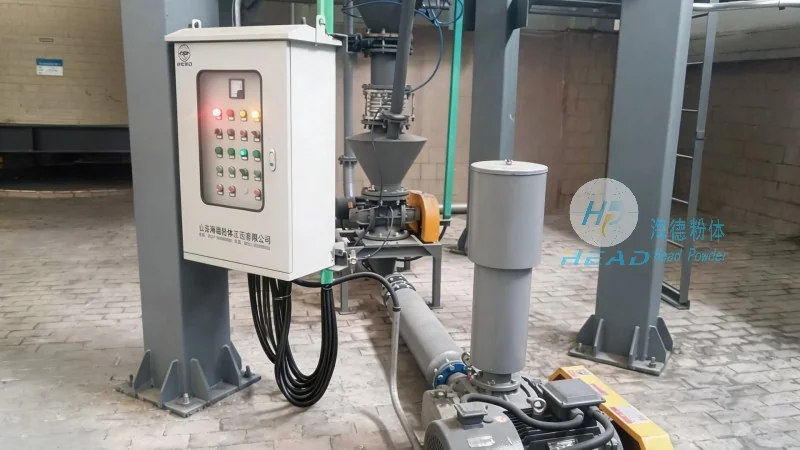
Factors to Evaluate When Choosing Between Positive and Negative Pressure
When deciding between positive and negative pressure conveying for synthetic rubber, several factors should be considered. First, the material characteristics are critical. If the synthetic rubber is abrasive or sticky, a positive pressure system may be more suitable due to its ability to handle these properties effectively. Second, the conveying distance and layout of the system play a significant role. Longer distances or complex piping networks often require positive pressure, as the vacuum in negative pressure systems can be insufficient to maintain material flow over extended periods. Third, the desired material flow rate is another key consideration. Positive pressure systems are generally better suited for high flow rates, while negative pressure may be more appropriate for lower flow rates or smaller volumes.
Application Examples: Where Each System Excels
Positive pressure conveying is commonly used in industrial settings where synthetic rubber is processed in large quantities, such as in tire manufacturing or rubber product production facilities. For example, a tire factory might use a positive pressure system to transport synthetic rubber from storage silos to processing lines, ensuring a continuous and efficient supply of material. Negative pressure conveying, on the other hand, is often employed in smaller-scale operations or for handling materials that are more delicate or prone to dust generation. A small rubber product manufacturer might use a negative pressure system to collect synthetic rubber from a hopper and transport it to a mixing machine, minimizing dust and maintaining a clean working environment.
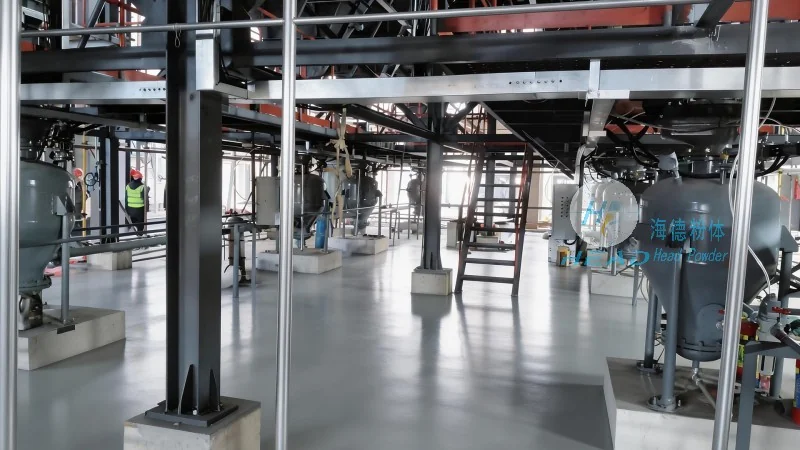
Installation and Maintenance Considerations
Both positive and negative pressure systems require regular maintenance to ensure optimal performance. Positive pressure systems typically involve more frequent checks of the blower and air filters, as the high-pressure air can introduce more contaminants into the system. Negative pressure systems, while generally requiring less maintenance, still need regular cleaning of the vacuum pump and filter to prevent clogging and maintain suction power. Proper maintenance is essential to prevent downtime and ensure the longevity of the conveying system.
Conclusion: Making the Right Choice for Synthetic Rubber Conveying
Choosing between positive and negative pressure conveying for synthetic rubber depends on a combination of material properties, operational requirements, and system layout. Positive pressure systems offer high flow rates and are suitable for abrasive or sticky materials, while negative pressure systems are better for lightweight or low-density materials and shorter conveying distances. By carefully evaluating these factors, you can select the most effective conveying method for your application, ensuring efficient material handling and operational success.
For more information on synthetic rubber conveying solutions, contact Shandong HeadPowder Engineering Co., Ltd., a leading provider of industrial conveying systems based in Shandong, China. Their expertise in positive and negative pressure systems ensures that you receive the right equipment for your specific needs, helping to optimize your synthetic rubber handling processes and improve overall operational efficiency.