

Selection Between Positive Pressure and Negative Pressure for Anode Material Handling: How to Distin
Anode material handling is a critical process in battery production, where the choice between positive pressure and negative pressure systems significantly impacts efficiency, safety, and material quality. Both methods are designed to transport anode powders, but they operate on different principles, leading to distinct advantages and applications.
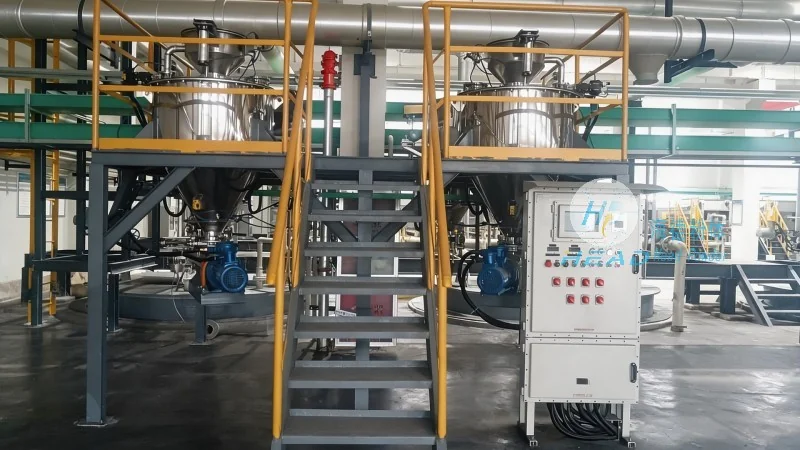
Understanding Positive and Negative Pressure Systems in Anode Material Handling
Anode material handling is a critical process in battery production, where the choice between positive pressure and negative pressure systems significantly impacts efficiency, safety, and material quality. Both methods are designed to transport anode powders, but they operate on different principles, leading to distinct advantages and applications.
Positive Pressure Systems: How They Work and Their Applications
Positive pressure systems use compressed air to push anode material through a pipeline. This method ensures a consistent flow rate and prevents material from settling or clogging in the ductwork. The system typically includes a blower, a hopper, and a delivery line. The positive pressure maintains the material in a suspended state, reducing the risk of dust accumulation and improving material uniformity. This approach is ideal for applications requiring high flow rates and long-distance transport, such as large-scale battery manufacturing plants. The positive pressure also helps in maintaining a stable pressure environment, which is crucial for controlling the material's flow characteristics and preventing blockages.
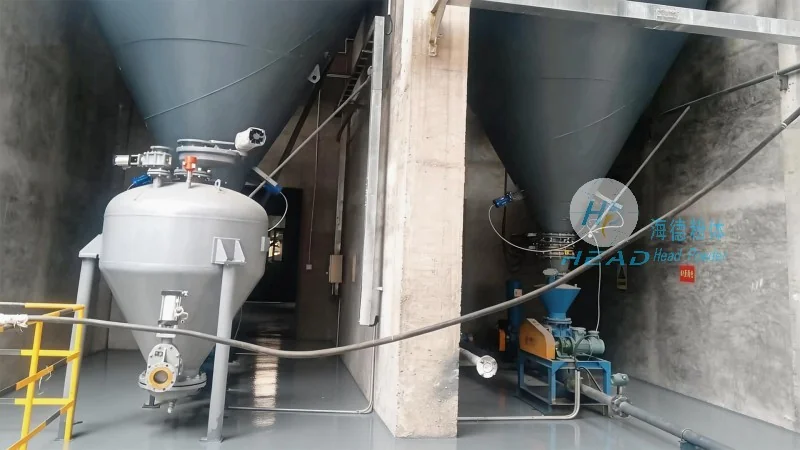
Negative Pressure Systems: How They Work and Their Applications
Negative pressure systems, also known as vacuum systems, use a vacuum to draw anode material into a collection or transport system. This method is particularly effective for handling fine powders that are prone to dust generation. The vacuum creates a low-pressure environment that pulls the material from the source to the destination. Unlike positive pressure, negative pressure systems are often quieter and can handle more sensitive materials without causing excessive friction or particle degradation. They are commonly used in environments where dust control is paramount, such as in cleanrooms or facilities with strict air quality regulations. The vacuum system also allows for more flexible placement of the material source and destination, as the material is drawn rather than pushed.
Key Differences Between Positive and Negative Pressure Systems
The primary difference lies in the direction of air flow and the pressure differential. Positive pressure systems rely on external air pressure to move material, while negative pressure systems use a vacuum to pull material. This fundamental difference affects the system's energy consumption, noise levels, and suitability for different material types. Positive pressure systems generally consume more energy due to the need to maintain high pressure, whereas negative pressure systems are more energy-efficient but may require more robust filtration to prevent dust from escaping the system. Additionally, positive pressure systems are better suited for long-distance transport and high-volume applications, whereas negative pressure systems excel in handling fine powders and maintaining low dust levels.
Factors to Consider When Choosing Between Positive and Negative Pressure
When selecting a system for anode material handling, several factors must be evaluated. The first is the material's properties, including particle size, moisture content, and dust generation potential. Fine powders with high dust content are better suited for negative pressure systems due to their ability to control dust. The second factor is the distance and volume of material transport. Long-distance and high-volume applications often benefit from positive pressure systems, while shorter distances and lower volumes may be suitable for negative pressure systems. The third factor is the environmental requirements, such as the need for dust-free environments or compliance with air quality regulations. Negative pressure systems are generally preferred in cleanroom settings, while positive pressure systems may be used in less stringent environments. Finally, the cost and maintenance considerations play a role. Positive pressure systems may have higher initial costs and maintenance requirements due to the blower and higher air pressure, whereas negative pressure systems may require more extensive filtration and vacuum pump maintenance.
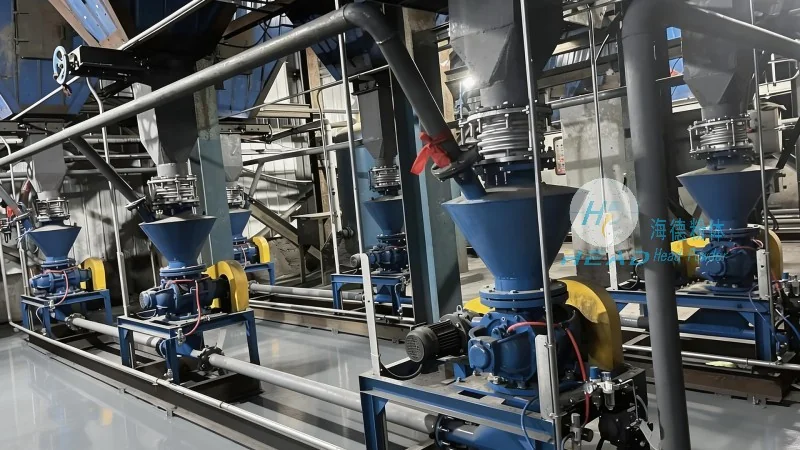
HeadPowder's Expertise in Anode Material Handling Solutions
Shandong HeadPowder Engineering Co., Ltd., commonly known as HeadPowder, specializes in providing tailored anode material handling solutions. With a focus on both positive and negative pressure systems, HeadPowder offers customized designs that meet the specific needs of battery manufacturers. The company's expertise lies in understanding the unique challenges of anode material handling, such as material variability, dust control, and system efficiency. HeadPowder's solutions are engineered to optimize material flow, minimize downtime, and enhance overall production efficiency. By leveraging advanced technology and industry experience, HeadPowder ensures that clients receive systems that are reliable, durable, and compliant with industry standards. The company's commitment to quality and customer satisfaction has made it a trusted partner in the battery industry, providing innovative solutions that drive the success of its clients.
Conclusion: Making the Right Choice for Your Anode Material Handling
Choosing between positive pressure and negative pressure systems for anode material handling requires a careful evaluation of the specific application requirements. Positive pressure systems offer advantages in high-volume, long-distance transport, while negative pressure systems excel in dust control and handling fine powders. By considering factors such as material properties, transport distance, environmental regulations, and cost, manufacturers can select the most appropriate system for their needs. HeadPowder, with its expertise and customized solutions, is positioned to assist clients in making informed decisions and implementing effective anode material handling systems. Whether you are a new battery manufacturer or an existing one looking to upgrade your handling processes, HeadPowder provides the knowledge and technology to optimize your operations and achieve your production goals.