

Fluorspar Powder Particle Conveying: Choosing Positive Pressure vs. Negative Pressure - How to Disti
When it comes to the transportation of fluorspar powder particles, selecting the right conveying method is crucial for efficiency, cost-effectiveness, and operational safety. Two primary approaches are widely used: positive pressure conveying and negative pressure conveying. Understanding the differences between these two systems is essential for making an informed decision that aligns with specific process requirements and operational constraints.
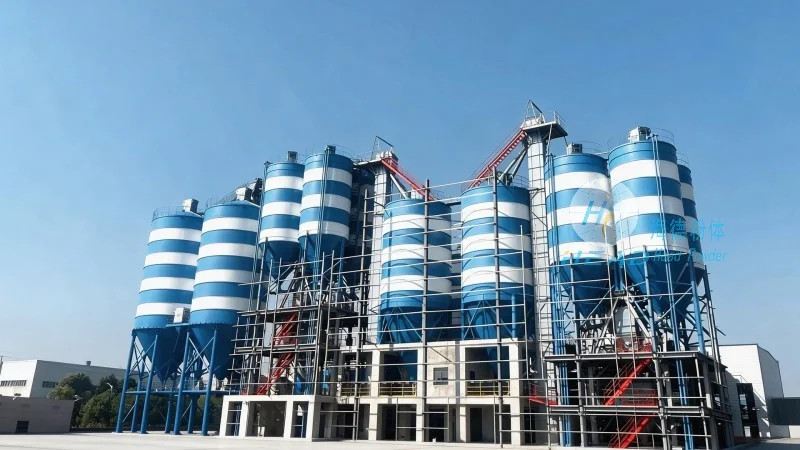
HeadPowder, a leading provider in the field, specializes in engineering solutions tailored to the unique challenges of fluorspar powder handling. With a strong presence in Shandong, China, the company leverages decades of industry experience to deliver reliable and efficient conveying systems. The following discussion aims to clarify the distinctions between positive and negative pressure conveying, helping clients choose the most suitable option for their fluorspar powder particle transport needs.
Positive Pressure Conveying: Characteristics and Applications
Positive pressure conveying systems operate by forcing air or gas through the material to be transported. This method involves blowing air into the conveying line, which creates a positive pressure environment that propels the powder particles forward. The key advantages of positive pressure systems include high conveying capacity, ability to handle abrasive or corrosive materials, and suitability for long-distance transport. For fluorspar powder, which often requires robust handling due to its particle size and potential reactivity, positive pressure conveying can be particularly effective. The system's design typically involves a blower or compressor that supplies the necessary air pressure, ensuring consistent material movement through the pipeline. Additionally, positive pressure systems are generally easier to maintain and can integrate with existing industrial infrastructure, making them a practical choice for many applications.
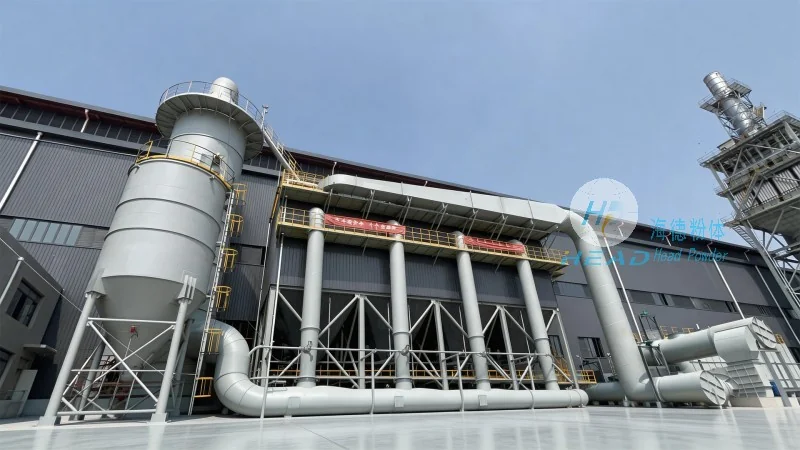
Negative Pressure Conveying: Characteristics and Applications
Negative pressure conveying, also known as suction conveying, works by creating a vacuum in the conveying line to draw the material from the source. This method involves extracting air and material from the source, which is then transported through the pipeline under reduced pressure. The primary benefits of negative pressure systems include lower energy consumption compared to positive pressure systems, reduced noise levels, and the ability to handle materials that are sensitive to pressure changes or moisture. For fluorspar powder, which may be prone to dust generation or require gentle handling to avoid agglomeration, negative pressure conveying can offer advantages. The system typically uses a vacuum pump to create the necessary suction, and the design often includes filters and cyclones to separate the powder from the air stream, ensuring clean and efficient transport. However, negative pressure systems may have limitations in terms of conveying distance and material capacity, as the vacuum pressure can drop over longer distances or with larger particle sizes.
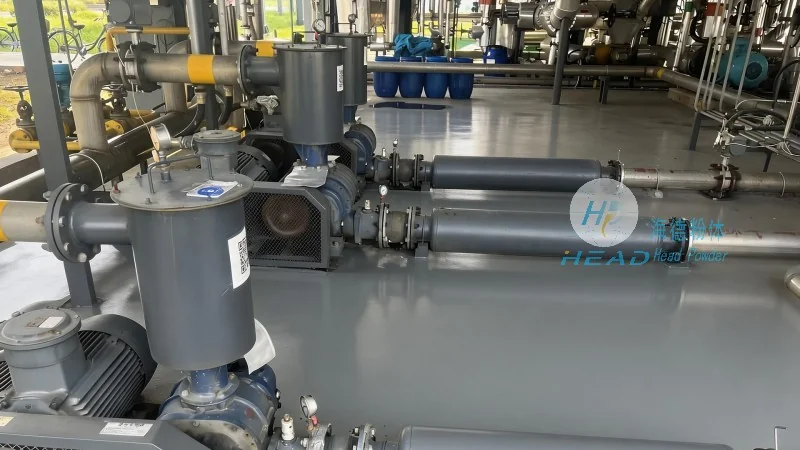
Distinguishing Between Positive and Negative Pressure Conveying for Fluorspar Powder
When evaluating the two conveying methods for fluorspar powder, several factors should be considered to determine which system is more appropriate. The first consideration is the material's physical properties, such as particle size, density, and moisture content. Fluorspar powder often consists of fine particles that can be prone to dust and require careful handling. Positive pressure systems are generally better suited for handling abrasive or high-volume materials, as they can maintain consistent flow rates and prevent material buildup. In contrast, negative pressure systems are ideal for materials that are sensitive to pressure or moisture, as they operate under lower pressures and can minimize particle degradation. The second factor is the conveying distance and layout of the system. Positive pressure systems are more effective for long-distance transport due to their ability to maintain pressure throughout the pipeline, while negative pressure systems may be limited to shorter distances or require additional vacuum boosters for extended transport. The third consideration is operational costs and energy efficiency. Positive pressure systems typically consume more energy due to the need for high-pressure air, whereas negative pressure systems offer lower energy consumption but may require more maintenance for vacuum components. Additionally, the system's integration with existing facilities and the availability of space for equipment installation are important factors. For example, if a facility has limited space for a large blower or compressor, a negative pressure system might be more suitable despite its limitations in conveying distance. Conversely, if the plant layout requires long-distance transport over multiple levels, a positive pressure system may be the only viable option.
Conclusion: Making the Right Choice for Fluorspar Powder Particle Conveying
Choosing between positive pressure and negative pressure conveying for fluorspar powder particle transport requires a careful assessment of operational needs, material characteristics, and system constraints. HeadPowder's expertise in engineering tailored solutions ensures that clients receive the most appropriate conveying system for their specific requirements. By understanding the advantages and limitations of each method, businesses can optimize their fluorspar powder handling processes, improve efficiency, and reduce operational costs. Whether the focus is on high capacity, long-distance transport, or gentle handling of sensitive materials, the right conveying system can significantly impact overall process performance. With a focus on reliability and efficiency, HeadPowder continues to provide innovative solutions that meet the evolving needs of the fluorspar industry.