

Selecting Positive Pressure or Negative Pressure Conveying for Lithium-Ion Battery Materials: How to
For manufacturers and engineers working with lithium-ion battery materials, selecting the appropriate conveying system is a critical decision that impacts operational efficiency, material integrity, and overall production costs. The choice between positive pressure and negative pressure conveying systems is a common point of discussion, as each method offers distinct advantages and is suited to different material characteristics and processing requirements.
Understanding Positive Pressure and Negative Pressure Conveying
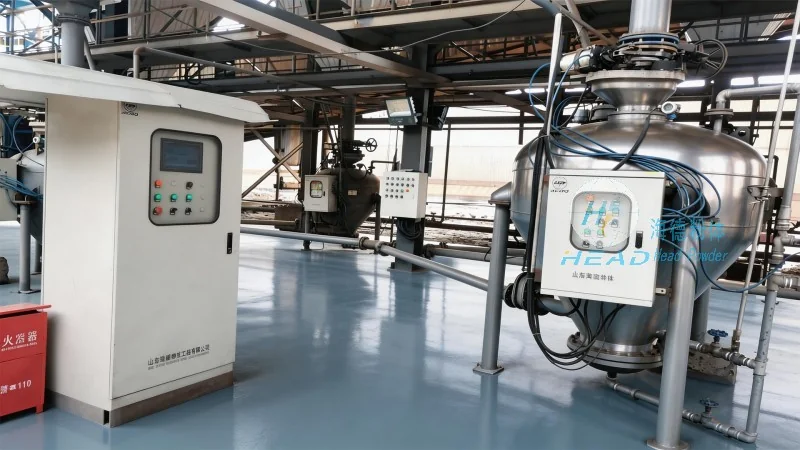
Positive pressure conveying systems operate by forcing material through a pipeline using a positive pressure source, such as a blower or fan. This method is often used for materials that are dusty, have low bulk density, or are prone to caking. The positive pressure ensures that material is continuously moved through the system, preventing blockages and maintaining a consistent flow rate. In contrast, negative pressure conveying systems rely on a vacuum to draw material into the pipeline. This approach is typically employed for materials that are lighter, more free-flowing, or require a gentler handling process. The vacuum pulls material from the source, creating a suction effect that moves the material through the system.
Key Factors to Consider When Choosing a Conveying Method
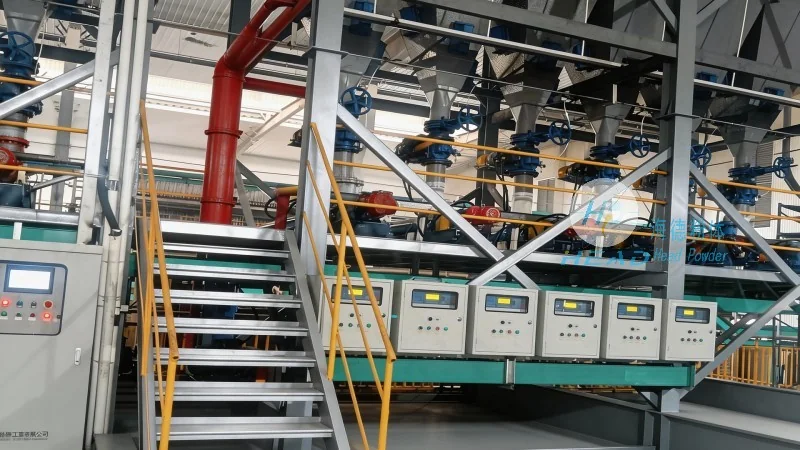
When deciding between positive and negative pressure conveying for lithium-ion battery materials, several key factors must be evaluated. First, the physical properties of the material, including its particle size, moisture content, and tendency to agglomerate, play a significant role. For example, materials with high moisture content or those that are prone to caking may benefit from the consistent pressure and flow provided by positive pressure systems. Conversely, materials that are very fine or have a low bulk density may respond better to the gentle suction of negative pressure systems, which can reduce the risk of particle degradation. Second, the system's capacity and required flow rate are critical. Positive pressure systems are generally more suitable for high-volume applications due to their ability to maintain a steady flow under pressure. Negative pressure systems, while effective for lower volumes, may require more maintenance to prevent dust accumulation and ensure consistent suction. Third, the overall system layout and available space must be considered. Positive pressure systems often require a more complex setup with multiple blowers and pressure relief valves, whereas negative pressure systems may be simpler but need careful attention to air filtration and exhaust management. Finally, the cost of implementation and long-term operational expenses should be weighed. Positive pressure systems may have higher initial capital costs due to the need for robust blower systems, but they can offer lower maintenance costs over time. Negative pressure systems, while potentially cheaper to install, may incur higher operational costs related to vacuum pump maintenance and air filtration.
Application Examples and Practical Considerations
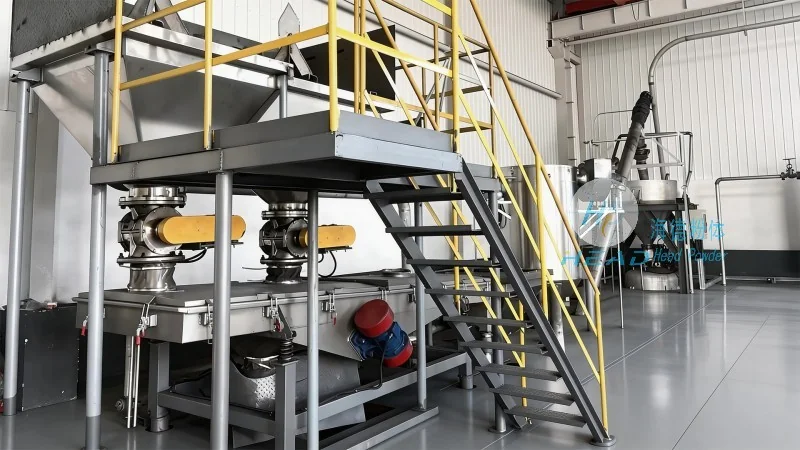
Practical examples can help illustrate the suitability of each conveying method. For instance, a manufacturer processing high-purity lithium carbonate, which is a fine, dusty material with low bulk density, might opt for a negative pressure conveying system. The gentle suction helps prevent the material from being damaged or agglomerating during transport, ensuring that the final product maintains its quality. On the other hand, a plant handling larger, bulkier battery anode materials, such as graphite or nickel oxide, may use a positive pressure system. The positive pressure ensures that these materials are moved efficiently through the pipeline without the risk of blockages, even when dealing with higher moisture content or potential caking. In both cases, the choice is driven by the material's characteristics and the specific processing requirements of the production line. Additionally, the integration of the conveying system with other equipment, such as mixers, classifiers, or storage silos, must be considered. A positive pressure system may require additional dust collection and filtration equipment to comply with environmental regulations, while a negative pressure system may need more robust vacuum pumps to maintain consistent suction. These practical considerations highlight the importance of a thorough evaluation before selecting a conveying method.
Conclusion and Recommendations
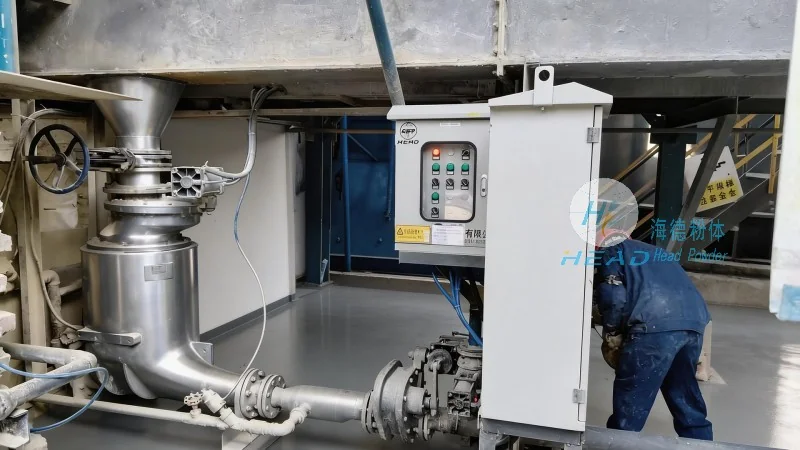
Ultimately, the choice between positive pressure and negative pressure conveying for lithium-ion battery materials depends on a careful assessment of the material's properties, the system's capacity, and the overall operational requirements. Positive pressure systems offer reliability and efficiency for high-volume, bulkier materials, while negative pressure systems provide gentler handling for fine, dusty materials. By understanding the key factors and considering practical examples, manufacturers can make an informed decision that optimizes their production process and ensures the quality of their lithium-ion battery materials. For companies like Shandong HeadPowder Engineering Co., Ltd., based in Shandong, China, these considerations are central to designing effective conveying solutions that meet the specific needs of their clients in the battery materials industry.