

Technical Analysis of Iron Powder Pneumatic Conveying Systems: Comparison of Positive Pressure and N
Iron powder, a vital raw material in numerous industrial processes, demands efficient and reliable transportation methods to preserve product integrity and operational efficiency. Pneumatic conveying systems have become a preferred solution for handling iron powder due to their ability to transport materials within a closed system, minimizing contamination and dust emissions. This article provides a technical analysis of iron powder pneumatic conveying systems, focusing on the comparison between positive pressure and negative pressure conveying modes, as offered by Shandong HeadPowder Engineering Co., Ltd., a leading manufacturer in the field.
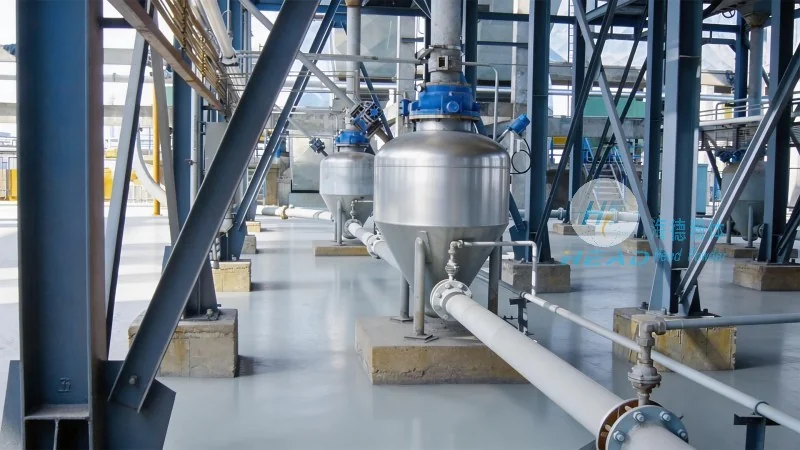
Understanding Pneumatic Conveying Fundamentals
Pneumatic conveying involves utilizing air or gas to transport bulk materials through a pipeline. The system typically comprises a material feed hopper, a conveyor line, and a receiver or discharge point. For iron powder, which is often fine and susceptible to caking or dusting, the choice of conveying mode is critical to ensure smooth operation and prevent system blockages. Two primary modes are widely employed: positive pressure and negative pressure systems.
Positive Pressure Conveying Mode
Positive pressure conveying operates by blowing air or gas into the conveying line, creating a pressure higher than ambient air pressure. This method is particularly effective for transporting iron powder over long distances or through complex piping networks. The system employs a blower or compressor to generate the necessary pressure, and the material is drawn into the pipeline by the moving air. A key advantage of positive pressure systems is their capacity to handle high material loads and maintain consistent flow rates, even with varying particle sizes. However, they require more robust equipment and higher energy consumption compared to negative pressure systems.
Negative Pressure Conveying Mode
Negative pressure conveying, also known as suction conveying, works by creating a vacuum in the conveying line, drawing material from the source into the system. This mode is ideal for applications where the material is to be transported from a single point to a central receiver, often in enclosed environments. The system uses a vacuum pump to maintain the low pressure, and the material is carried by the air flow toward the receiver. Negative pressure systems are generally more energy-efficient and require less maintenance, as they operate at lower pressures. However, they are limited in terms of conveying distance and material capacity, making them suitable for shorter runs or smaller quantities of iron powder.
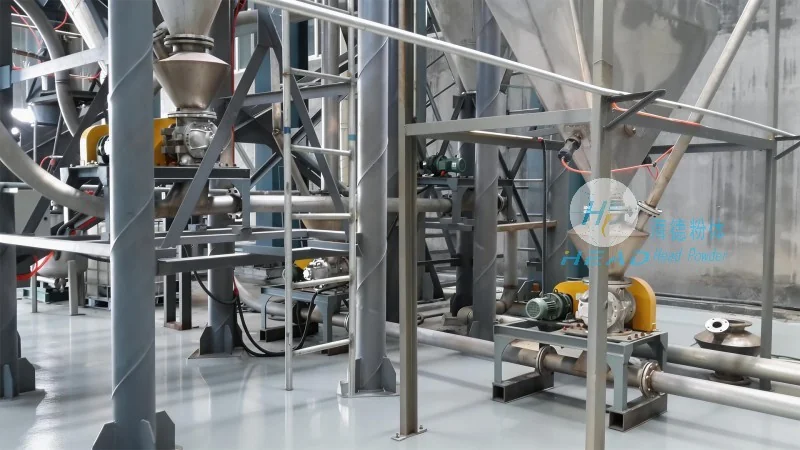
Technical Considerations for Iron Powder Conveying
When selecting a pneumatic conveying system for iron powder, several technical factors must be considered to ensure optimal performance. Particle size and density are critical parameters, as they affect the flow characteristics and pressure drop in the pipeline. Iron powder particles are typically fine (often less than 100 microns), which can lead to high friction and increased pressure losses. The system design must account for these factors to maintain efficient operation. Additionally, the choice of materials for the conveying line and components is essential to prevent corrosion or wear from the iron powder. Stainless steel or special alloys are commonly used to withstand the abrasive nature of iron powder and resist chemical reactions.
System Components and Design
The effectiveness of a pneumatic conveying system for iron powder depends on the integration of several key components. The feed hopper is designed to handle the bulk material and provide a consistent feed rate, often equipped with a rotary valve or feeder to control the material flow. The conveyor line is typically made of flexible or rigid tubing, depending on the application, with appropriate fittings and elbows to direct the material. The receiver or discharge point is crucial for collecting the iron powder and preventing dust emissions, often equipped with a dust filter or cyclone separator. For positive pressure systems, the blower or compressor must be sized to handle the required pressure and airflow, while for negative pressure systems, the vacuum pump must be capable of maintaining the necessary suction. The system design must also consider the environmental impact, with features such as dust collection and air filtration to comply with industrial regulations.
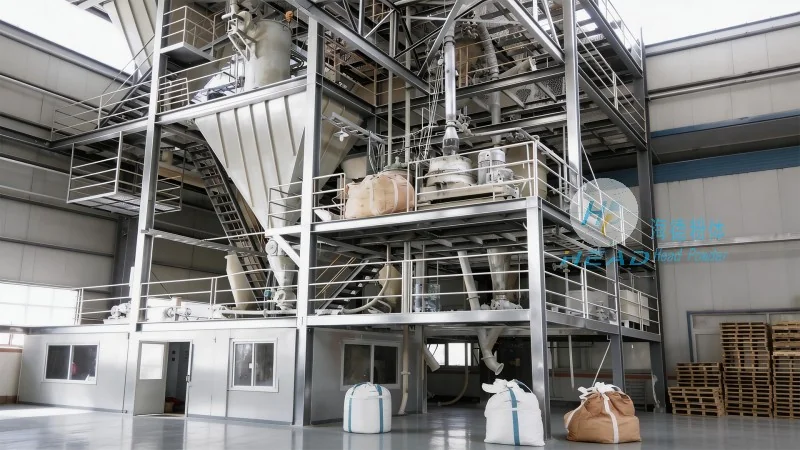
Performance Comparison: Positive vs. Negative Pressure
Comparing the performance of positive and negative pressure conveying modes for iron powder reveals distinct advantages and limitations. Positive pressure systems excel in long-distance and high-capacity applications, offering consistent flow rates and the ability to handle abrasive materials. They are suitable for industrial settings where large quantities of iron powder need to be transported efficiently. On the other hand, negative pressure systems are more energy-efficient and require less maintenance, making them ideal for shorter runs or applications where space is limited. The choice between the two modes depends on the specific requirements of the iron powder handling process, including the distance, material volume, and operational constraints.
Case Studies and Applications
Shandong HeadPowder Engineering Co., Ltd. has successfully implemented pneumatic conveying systems for iron powder in various industrial applications. For example, in a steel manufacturing plant, a positive pressure system was used to transport iron powder from a storage silo to a mixing facility over a distance of 200 meters, achieving a consistent flow rate of 5 tons per hour. The system was designed with stainless steel components to resist corrosion from the iron powder and equipped with a dust filter to maintain air quality. In another application, a negative pressure system was used in a pharmaceutical facility to transport iron powder for a nutritional supplement, where the short distance and low material volume made it an ideal choice. The system was energy-efficient and required minimal maintenance, contributing to the overall cost-effectiveness of the operation.
Conclusion and Recommendations
Pneumatic conveying systems are a reliable and efficient solution for handling iron powder, with positive and negative pressure modes offering distinct advantages based on the specific application requirements. Shandong HeadPowder Engineering Co., Ltd. provides customized solutions tailored to the needs of iron powder handling, ensuring optimal performance and compliance with industrial standards. When selecting a pneumatic conveying system, it is essential to consider factors such as material properties, conveying distance, and operational constraints to choose the most suitable mode. By understanding the technical aspects of both positive and negative pressure systems, industrial facilities can make informed decisions to enhance their iron powder handling processes and improve overall operational efficiency.