

Technical Analysis of Loess Powder Pneumatic Conveying Systems: Comparison of Positive Pressure and
Loess, a fine-grained soil prevalent in regions like the Loess Plateau in China, presents unique challenges for material handling due to its high moisture content, cohesive properties, and susceptibility to dust generation. Pneumatic conveying systems have emerged as a critical solution for efficiently transporting loess and other similar powders, offering advantages over traditional mechanical methods such as reduced wear, lower maintenance, and improved safety. This technical analysis focuses on the two primary modes of pneumatic conveying—positive pressure and negative pressure systems—comparing their operational principles, advantages, and applications in the context of loess material handling.
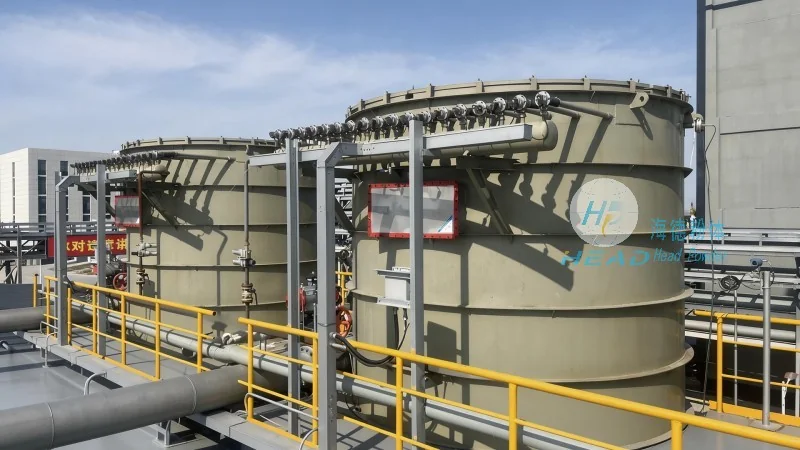
Company Profile: Shandong HeadPowder Engineering Co., Ltd.
HeadPowder, a leading provider of engineering solutions for powder handling, specializes in designing and manufacturing pneumatic conveying systems tailored to the specific needs of industries dealing with fine powders. With a strong presence in China, particularly in Shandong province, the company leverages decades of experience to deliver robust, efficient, and cost-effective solutions for clients across various sectors, including construction, mining, and environmental remediation. The company’s commitment to innovation and customer satisfaction has established it as a trusted partner in the field of powder processing technology.
Understanding Pneumatic Conveying Systems
Pneumatic conveying systems utilize air or gas to transport bulk materials through a pipeline network. The two main categories are positive pressure (pressure) systems and negative pressure (vacuum) systems, each with distinct characteristics that influence their suitability for different applications. Positive pressure systems operate by blowing air into the conveying line, while negative pressure systems draw material into the system using a vacuum. Both modes are widely used in the handling of loess and other powders, but their performance, energy consumption, and operational requirements differ significantly.
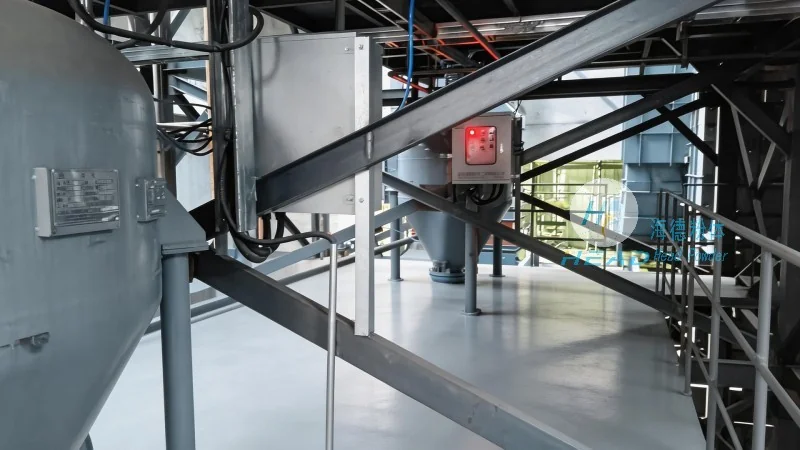
Positive Pressure Conveying Mode
Positive pressure pneumatic conveying systems are characterized by the generation of compressed air that propels the material through the pipeline. In this mode, a blower or compressor supplies high-pressure air, which is mixed with the material at the inlet and then transported to the discharge point. The system maintains a positive pressure throughout the pipeline, preventing air leakage and ensuring consistent material flow. For loess, positive pressure systems are particularly effective when dealing with high-volume, long-distance transport, as they can handle larger particle sizes and provide reliable performance under challenging conditions. The primary advantages of positive pressure systems include high conveying capacity, ability to handle abrasive materials, and reduced risk of material degradation due to minimal contact with system components. However, they require more energy input compared to negative pressure systems and may generate more noise and air pollution, necessitating proper ventilation and noise control measures.
Negative Pressure Conveying Mode
Negative pressure pneumatic conveying systems operate by creating a vacuum in the pipeline, which draws the material from the source into the system. A vacuum pump or fan is used to extract air from the pipeline, creating a pressure differential that pulls the material along. This mode is often preferred for applications requiring low noise levels, minimal air leakage, and the ability to handle materials that are sensitive to high air pressure or temperature. For loess, negative pressure systems are suitable for shorter conveying distances and when the material is to be transported into a processing unit or storage silo. The key benefits of negative pressure systems include lower energy consumption, reduced noise, and better control over dust emissions. However, they have limitations in conveying large volumes of material over long distances, as the vacuum pressure may not be sufficient to overcome significant resistance in the pipeline. Additionally, the system is more susceptible to clogging if the material contains high moisture content or fine particles that can adhere to the pipeline walls.
Key Considerations for Loess Material Handling
When selecting a pneumatic conveying system for loess, several factors must be carefully evaluated to ensure optimal performance and efficiency. The first consideration is the material's properties, including particle size distribution, moisture content, and cohesive behavior. Loess often has a wide range of particle sizes, from fine dust to larger aggregates, which can affect the system's design and operation. Positive pressure systems are generally more robust for handling such variability, as they can accommodate larger particles and maintain consistent flow. The second factor is the conveying distance and volume requirements. For long-distance transport, positive pressure systems are preferred due to their higher pressure capabilities and ability to overcome friction losses in the pipeline. Conversely, for shorter distances or when noise and energy efficiency are critical, negative pressure systems may be more suitable. The third consideration is the environmental impact and regulatory compliance. Both systems can generate dust, but negative pressure systems typically have better control over emissions, making them more attractive for applications in sensitive environments. Finally, the system's maintenance and operational costs must be assessed. Positive pressure systems may require more frequent maintenance of the blower and pipeline components due to higher wear from abrasive materials, while negative pressure systems may need more attention to vacuum pump efficiency and pipeline cleaning to prevent clogging.
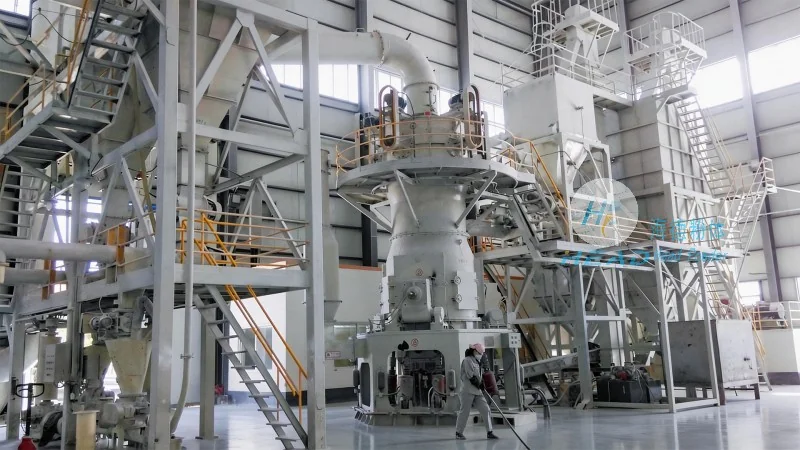
Application Examples in Loess Processing
HeadPowder has successfully implemented pneumatic conveying systems for various loess processing applications, demonstrating the effectiveness of both positive and negative pressure modes. For instance, in a construction material plant, a positive pressure system was used to transport loess from a quarry to a mixing facility over a distance of 500 meters. The system, equipped with a high-capacity blower and a flexible pipeline network, ensured a consistent flow rate of 10 tons per hour, meeting the plant's production demands. The positive pressure mode effectively handled the loess's abrasive nature, reducing wear on the pipeline and increasing the system's lifespan. In another case, a negative pressure system was installed in an environmental remediation project to collect loess from a contaminated site and transport it to a treatment facility. The system, designed with a low-noise vacuum pump and a sealed pipeline, minimized dust emissions and noise pollution, ensuring compliance with local environmental regulations. The negative pressure mode was particularly advantageous here due to the need for low noise levels and the ability to handle the material's moisture content without clogging the pipeline.
Conclusion: Choosing the Right Conveying Mode for Loess
Both positive pressure and negative pressure pneumatic conveying systems offer viable solutions for handling loess and other fine powders, but their selection depends on the specific requirements of the application. Positive pressure systems excel in high-volume, long-distance transport and are more robust for abrasive materials, while negative pressure systems are better suited for shorter distances, low noise environments, and materials sensitive to high pressure. HeadPowder, with its expertise in engineering tailored solutions, helps clients evaluate these factors and select the most appropriate pneumatic conveying mode for their loess handling needs. By understanding the operational principles, advantages, and limitations of each system, industries can optimize their material handling processes, reduce costs, and enhance overall efficiency. The choice between positive and negative pressure systems ultimately hinges on balancing performance, energy consumption, and environmental considerations to achieve the best results for loess material processing.