

Technical Analysis of Barley Pneumatic Conveying Systems: Comparison of Positive Pressure and Negati
For grain handling and processing industries, especially those dealing with barley, the selection of an efficient and reliable conveying system is crucial. Pneumatic conveying systems offer a flexible solution for transporting bulk materials like barley from one location to another. Two primary modes dominate this technology: positive pressure and negative pressure systems. Understanding the technical nuances, advantages, and limitations of each is essential for optimizing operational efficiency and maintaining product quality. This article provides a detailed technical analysis of these two modes, focusing on their applications in barley handling, with a comparison to help users make informed decisions.
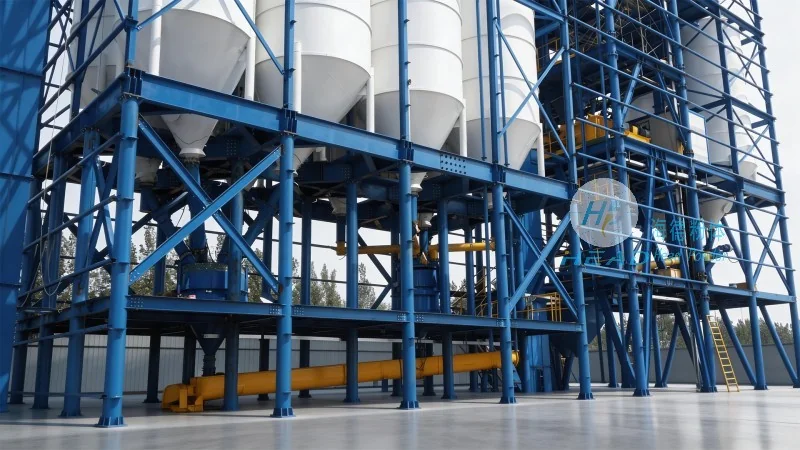
Introduction to Pneumatic Conveying Systems
Pneumatic conveying systems use air or gas to transport bulk materials through a pipeline. The primary advantage of this method is the ability to move materials without direct contact, reducing mechanical wear and the risk of contamination. For barley, which is a delicate grain requiring careful handling to preserve its quality and germination potential, the choice of conveying system can significantly impact the final product. The two main categories are positive pressure and negative pressure systems, each with distinct operational principles and suitability for different scenarios.
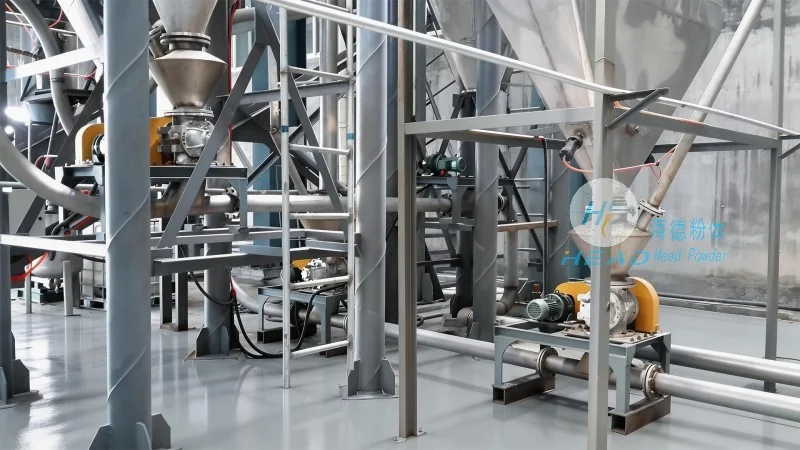
Positive Pressure Pneumatic Conveying Systems
Positive pressure systems operate by blowing air or gas into the conveying line, creating a pressure higher than the ambient air pressure. The material is drawn into the pipeline by this pressure differential and is propelled forward. In the context of barley handling, positive pressure systems are often preferred for long-distance or high-capacity transport. They can handle a wide range of barley types, from raw grains to processed products, and are capable of operating at higher velocities, which can increase throughput. The system typically includes a blower or compressor at the inlet, which provides the necessary pressure to move the material. The design of the pipeline, including the use of bends, valves, and filters, is critical to ensure efficient flow and prevent blockages. Positive pressure systems are also more suitable for conveying materials with higher moisture content or those that are prone to clumping, as the higher pressure helps to break up agglomerates and maintain a consistent flow.
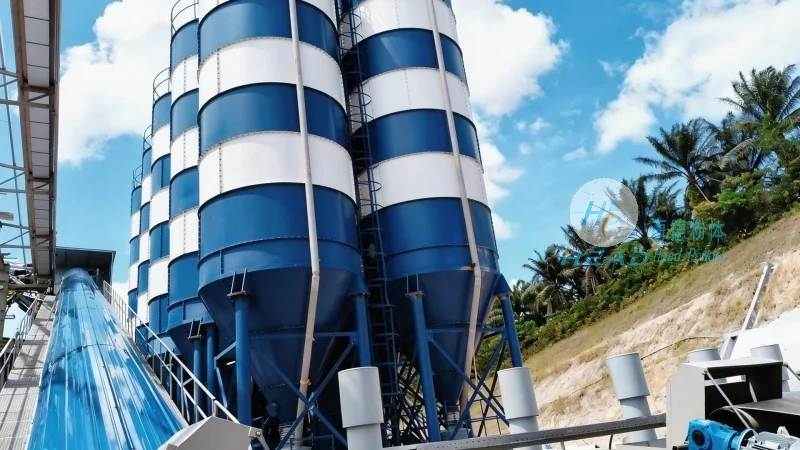
Negative Pressure Pneumatic Conveying Systems
Negative pressure systems, also known as vacuum systems, work by creating a vacuum in the conveying line, which draws the material into the pipeline. The air and material mixture is then transported to the outlet, where the material is separated from the air. This mode is often used for shorter distances or when the material needs to be conveyed from a higher elevation to a lower one. For barley, negative pressure systems are particularly useful in situations where the material is to be collected from multiple points and transported to a central processing unit. The vacuum created at the inlet helps to draw in the barley, and the system can be designed with multiple inlets to accommodate different source locations. One of the key advantages of negative pressure systems is their ability to handle materials that are more sensitive to pressure changes, as the lower pressure environment reduces the risk of product damage. However, they are generally less efficient for long-distance transport due to the energy required to maintain the vacuum and the potential for higher air consumption.
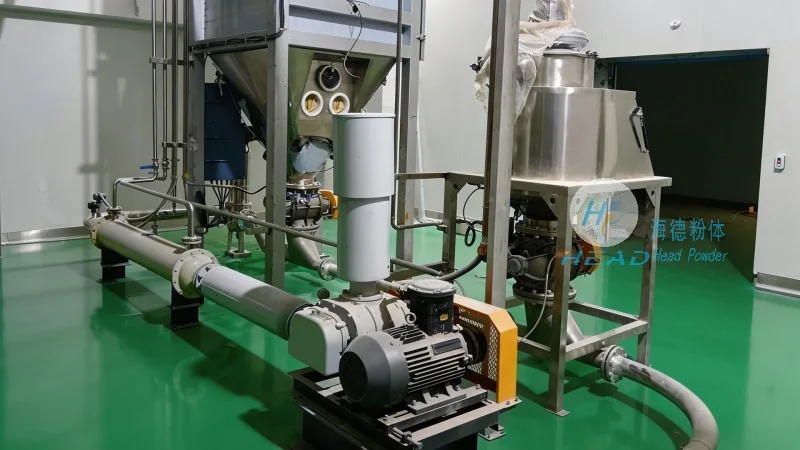
Comparison of Positive and Negative Pressure Systems for Barley
When comparing positive and negative pressure pneumatic conveying systems for barley, several factors must be considered. The most significant difference is the direction of air flow and the pressure differential. Positive pressure systems push the material through the pipeline, while negative pressure systems pull it. This affects the system's energy consumption, as positive pressure systems typically require more power for high-capacity operations. In terms of material handling, positive pressure systems are better suited for high-volume, long-distance transport and can handle a wider variety of barley products. Negative pressure systems excel in applications requiring gentle handling, such as conveying barley with high moisture content or delicate germ structures, and are ideal for short-distance or collection-oriented tasks.