

Technical Analysis of Fertilizer Pneumatic Conveying Systems: Comparison of Positive Pressure and Ne
Fertilizer pneumatic conveying systems are critical in modern agricultural and industrial applications, enabling efficient and safe transportation of bulk materials. The choice between positive pressure and negative pressure conveying modes significantly impacts system performance, cost, and operational safety. This article provides a technical analysis of these two primary modes, highlighting their advantages, limitations, and optimal applications.
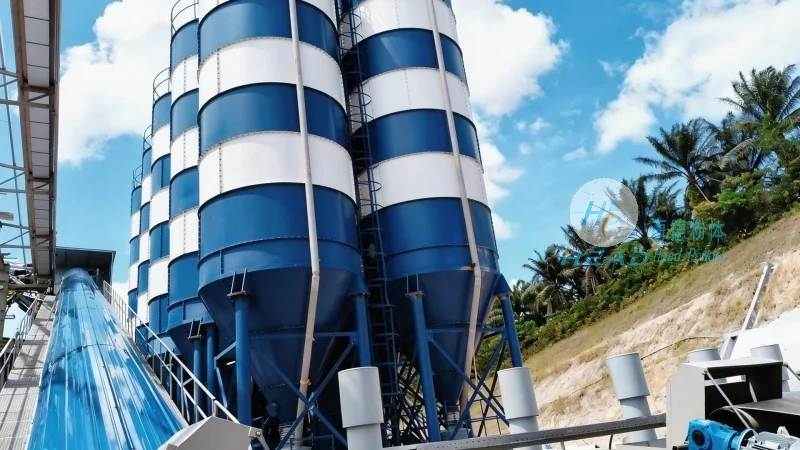
Company Overview: Shandong HeadPowder Engineering Co., Ltd.
Shandong HeadPowder Engineering Co., Ltd., commonly known as HeadPowder, is a leading manufacturer specializing in the design, development, and implementation of advanced pneumatic conveying solutions. With a strong focus on innovation and customer-centric engineering, HeadPowder delivers tailored systems that meet the specific needs of fertilizer handling and processing industries. The company’s headquarters is located in Shandong, China, where it leverages local expertise and resources to support global clients.
Positive Pressure Conveying Mode
Positive pressure conveying systems operate by blowing air or gas into the material to be transported, creating a pressure differential that moves the material through the pipeline. This method is widely used in fertilizer applications due to its ability to handle abrasive and corrosive materials. The system typically includes a blower, a hopper, and a pipeline network, with the material being drawn from the hopper and propelled forward by the pressurized air.
Key advantages of positive pressure conveyors include high material throughput, consistent flow rates, and the ability to transport materials over long distances. They are particularly effective for handling dry, free-flowing fertilizers such as urea, ammonium nitrate, and phosphate-based products. The positive pressure system also allows for easy integration with other processing equipment, such as mixers and granulators, facilitating a seamless production line.
However, positive pressure conveyors have certain limitations. They require robust equipment to withstand high pressures and abrasive materials, leading to higher initial investment costs. Additionally, the system may generate more dust and noise compared to negative pressure systems, necessitating proper ventilation and noise control measures. Maintenance of the blower and pipeline components is also more intensive due to the high stress on moving parts.
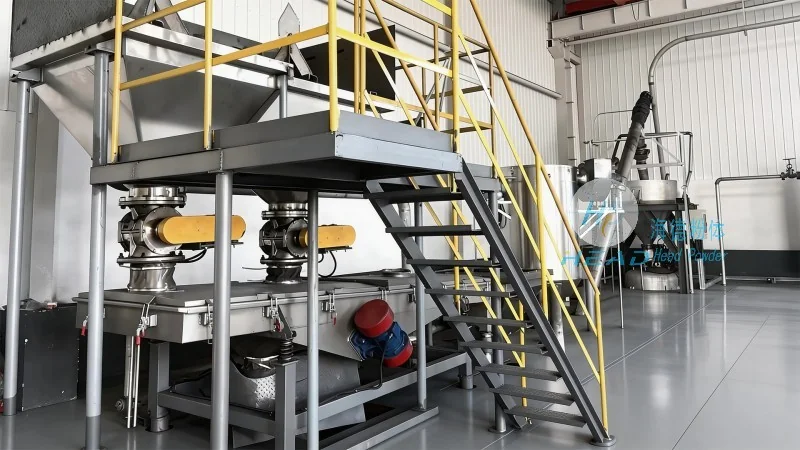
Negative Pressure Conveying Mode
Negative pressure conveying systems, also known as vacuum systems, operate by creating a vacuum in the pipeline to draw material from the source into the system. The material is then transported through the pipeline and discharged at the destination. This method is ideal for applications where material needs to be collected from multiple points or where dust control is a priority.
One of the primary benefits of negative pressure conveyors is their superior dust containment. The sealed pipeline and vacuum environment minimize dust emissions, making them suitable for indoor or enclosed processing facilities. They are also more energy-efficient for short-distance transport, as the vacuum pump operates at lower pressures compared to the high-pressure blowers in positive pressure systems.
Despite these advantages, negative pressure systems have their own challenges. The vacuum pump must handle large volumes of air, which can lead to higher energy consumption and maintenance costs. The system is also more susceptible to blockages and material buildup in the pipeline, requiring regular cleaning and inspection. Additionally, the negative pressure mode may not be as effective for transporting highly abrasive or sticky materials, as the suction force can be insufficient to move such materials through the pipeline.
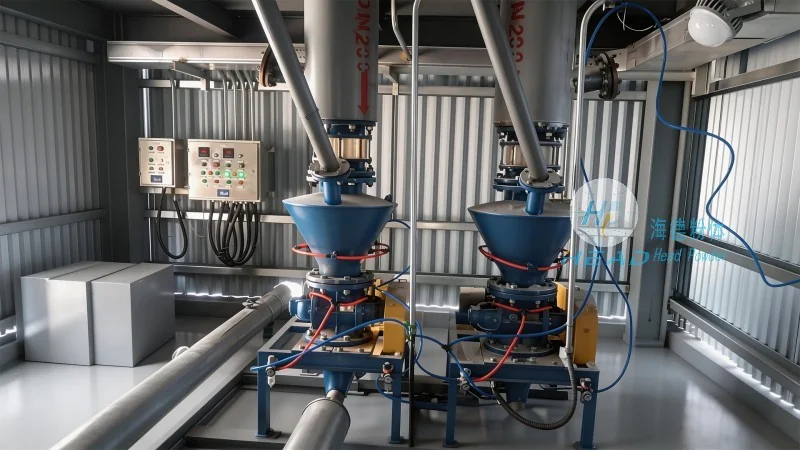
Comparison of Positive and Negative Pressure Systems
When selecting between positive and negative pressure conveying modes, several factors must be considered. The choice depends on the type of fertilizer, the distance of transport, the required material flow rate, and the environmental constraints of the facility. Positive pressure systems are generally preferred for long-distance, high-volume transport of dry, free-flowing fertilizers, while negative pressure systems are better suited for short-distance, dust-sensitive applications or where material collection from multiple sources is needed.
Cost is another critical factor. Positive pressure systems typically have higher initial costs due to the need for high-pressure blowers and robust pipeline components. However, their lower operational energy consumption over long distances can offset the initial investment. Negative pressure systems, while having lower initial equipment costs, may incur higher operational costs due to the energy-intensive vacuum pumps and increased maintenance requirements.
Operational safety is also a key consideration. Positive pressure systems may pose a higher risk of explosion or fire in the presence of flammable materials, as the pressurized air can ignite dust clouds. Negative pressure systems, by contrast, are inherently safer as they do not introduce high-pressure air into the material stream. However, they require careful sealing to prevent air leaks and material spillage, which can affect the system’s efficiency and safety.
Conclusion
Both positive pressure and negative pressure conveying modes offer viable solutions for fertilizer transportation, each with distinct advantages and limitations. The optimal choice depends on the specific application requirements, including material characteristics, transport distance, and operational constraints. Shandong HeadPowder Engineering Co., Ltd. specializes in designing and implementing customized pneumatic conveying systems that leverage the best features of both modes, ensuring efficient, safe, and cost-effective material handling for fertilizer industries worldwide.