

Technical Analysis of Wood Chip Pneumatic Conveying Systems: Comparison of Positive Pressure vs. Neg
Wood chip pneumatic conveying systems are critical in the processing and transportation of wood chips, which are essential raw materials in the wood products industry. These systems utilize air as the medium to transport wood chips from one location to another, offering an efficient and flexible solution compared to traditional mechanical conveying methods. The choice between positive pressure and negative pressure modes in such systems significantly impacts operational efficiency, cost, and system reliability. This article provides a technical analysis of the two primary modes, highlighting their characteristics, advantages, disadvantages, and suitable applications. Shandong HeadPowder Engineering Co., Ltd., a leading provider of pneumatic conveying solutions, offers customized systems to optimize wood chip handling in various industrial settings.
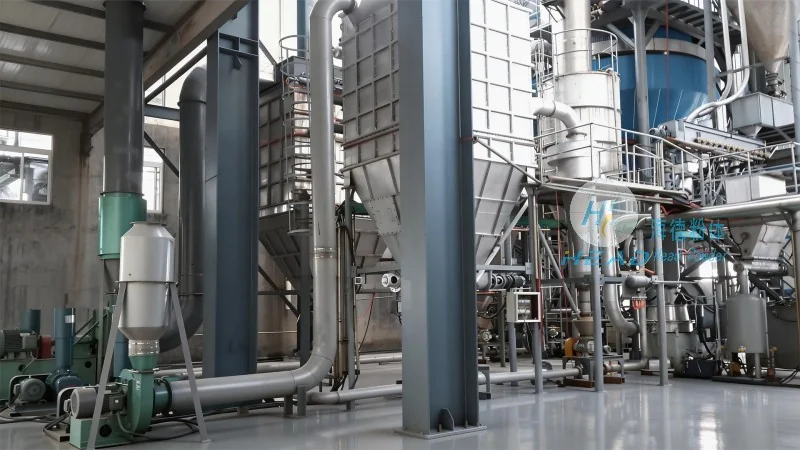
Introduction to Wood Chip Pneumatic Conveying Systems
Wood chip pneumatic conveying systems are designed to transport wood chips, sawdust, or other fine particulate materials using air pressure. The system typically consists of a hopper, a conveyor line, a receiver, and a blower or vacuum pump. The primary goal is to move the material from a source (e.g., a storage silo or a processing plant) to a destination (e.g., a drying kiln or a storage facility) with minimal human intervention and reduced material handling costs. The efficiency of these systems depends heavily on the conveying mode—positive pressure or negative pressure—each with distinct operational principles and performance characteristics.
Positive Pressure Conveying Mode
Positive pressure conveying, also known as pressure pneumatic conveying, operates by blowing air into the conveying line under pressure. The air pressure forces the wood chips to move through the pipeline. This mode is generally more suitable for short to medium-distance conveying and for materials that are less abrasive or have a higher bulk density. The system uses a positive displacement blower or a centrifugal fan to generate the necessary pressure. The key advantages of positive pressure systems include higher conveying velocities, which can reduce the risk of material buildup and blockages, and the ability to handle a wider range of particle sizes and moisture content. However, they may require more maintenance due to the higher air pressure and the potential for wear on the conveying line and components.
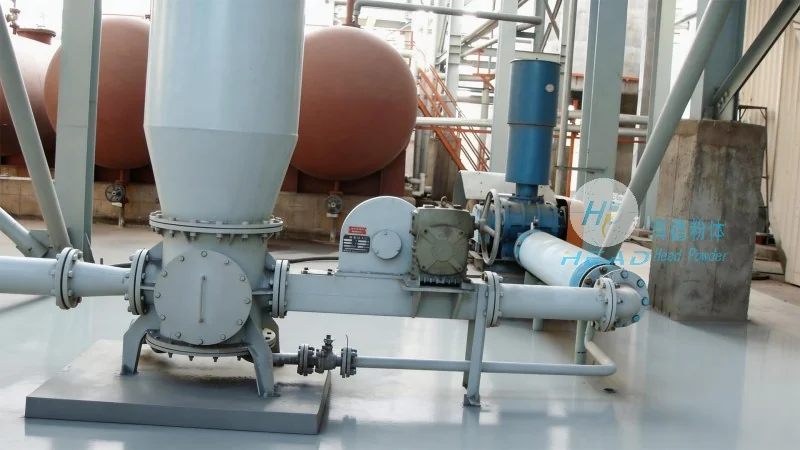
Negative Pressure Conveying Mode
Negative pressure conveying, or vacuum pneumatic conveying, operates by creating a vacuum in the conveying line, which draws the wood chips into the pipeline. This mode is often preferred for longer distances or when the material needs to be transported from multiple sources to a single destination. The system uses a vacuum pump to generate the negative pressure. The main advantages of negative pressure systems include lower energy consumption compared to positive pressure systems, as they do not require high-pressure air to move the material. Additionally, they are less likely to cause dust emissions at the source, as the material is drawn into the line rather than being expelled. However, negative pressure systems may have lower conveying velocities, which can increase the risk of blockages and require more careful design to prevent material deposition in the pipeline.
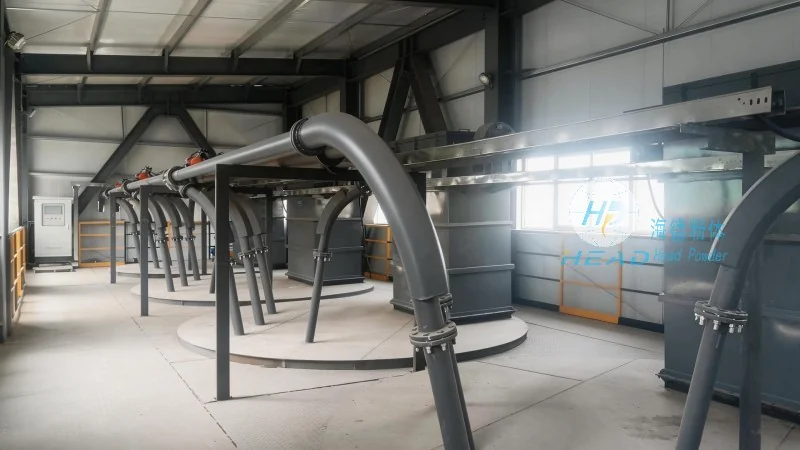
Key Differences Between Positive and Negative Pressure Modes
When comparing positive and negative pressure modes for wood chip pneumatic conveying, several factors stand out. First, the energy consumption differs significantly: positive pressure systems typically consume more energy due to the higher air pressure required, while negative pressure systems are more energy-efficient. Second, the conveying distance is a critical factor—positive pressure is better suited for shorter distances, whereas negative pressure can handle longer distances more effectively. Third, the material characteristics play a role: positive pressure is better for abrasive or high-moisture materials, while negative pressure may be more suitable for non-abrasive materials with lower bulk density. Fourth, the system complexity and maintenance requirements vary; positive pressure systems may have more components that experience higher stress, leading to more frequent maintenance, whereas negative pressure systems may have simpler vacuum pump systems but require careful attention to pipeline design to prevent blockages.
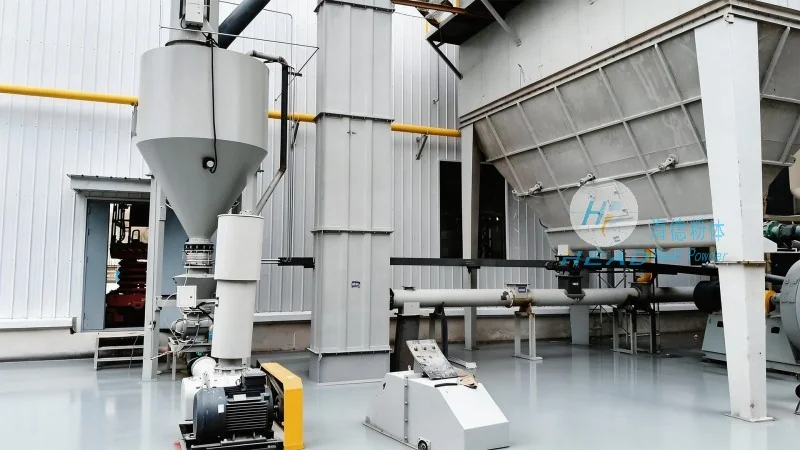
Application Scenarios and Practical Considerations
The choice between positive and negative pressure modes depends on the specific application requirements. For example, in a wood processing plant where wood chips need to be transported from a storage silo to a drying kiln over a short distance, a positive pressure system might be more appropriate due to its higher conveying velocity and ability to handle the material's characteristics. Conversely, if the wood chips need to be transported from multiple locations to a central storage facility over a longer distance, a negative pressure system could be more efficient in terms of energy consumption and lower dust emissions. Practical considerations also include the initial investment cost, which may be higher for positive pressure systems due to the need for high-pressure blowers, versus the lower cost of vacuum pumps for negative pressure systems. Additionally, the system's footprint and space constraints can influence the choice—positive pressure systems may require more space for the high-pressure blower, while negative pressure systems can be more compact with the vacuum pump.
Conclusion
In conclusion, both positive pressure and negative pressure modes offer viable solutions for wood chip pneumatic conveying, each with its own set of advantages and limitations. The selection of the appropriate mode depends on factors such as conveying distance, material characteristics, energy efficiency requirements, and operational constraints. By understanding the technical differences and practical considerations of each mode, wood processing facilities can choose the most suitable system to optimize their operations, reduce costs, and enhance overall efficiency. The continuous advancement in pneumatic conveying technology, including improved materials for pipelines and more efficient blower designs, further supports the adoption of these systems in modern wood processing industries.