

Technical Analysis of Sawdust Pneumatic Conveying Systems: Comparison of Positive Pressure and Negat
For industries dealing with bulk materials like sawdust, efficient and reliable material handling is crucial. Pneumatic conveying systems offer a solution by transporting materials through a pipeline using air as the conveying medium. This article provides a technical analysis of sawdust pneumatic conveying systems, focusing on the comparison between positive pressure and negative pressure conveying modes. We will explore the principles, advantages, and applications of each mode, helping you understand which option is best suited for your sawdust handling needs.
Understanding Pneumatic Conveying Basics
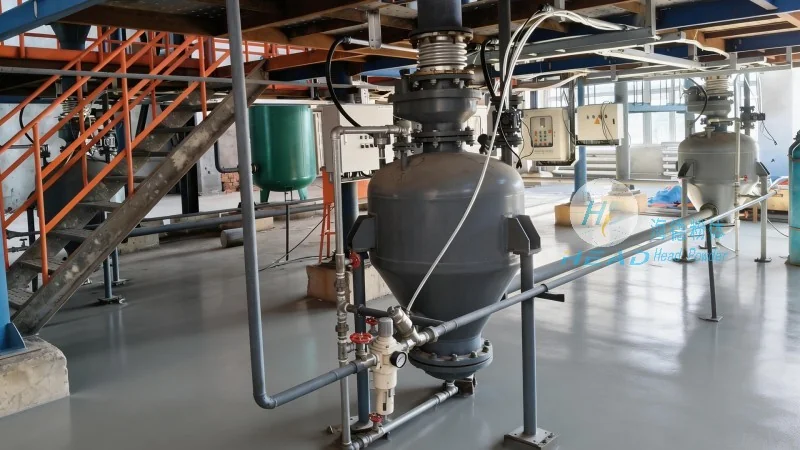
Pneumatic conveying is a method of transporting bulk materials through a closed pipeline using air as the conveying medium. The system consists of a hopper, a conveyor line, and a receiver. The primary goal is to move materials from a source to a destination without the need for mechanical components like belts or buckets. This technology is widely used in various industries, including woodworking, agriculture, and chemical processing, due to its flexibility and ability to handle a wide range of materials.
Positive Pressure Conveying Mode
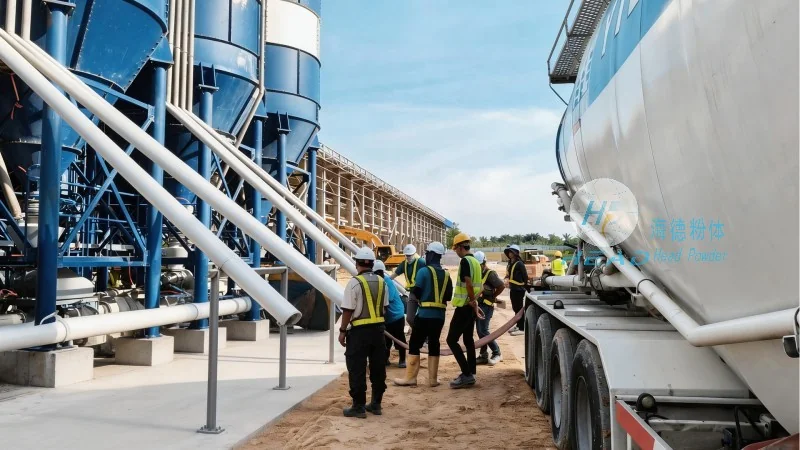
Positive pressure conveying, also known as pressure pneumatic conveying, operates by blowing air into the conveying line under pressure. The material is introduced into the system at the inlet, where it is mixed with the pressurized air. The air and material mixture then travels through the pipeline to the receiver. This mode is particularly effective for short to medium distance conveying and for materials that are light and free-flowing. The high pressure ensures that the material is fully entrained and transported efficiently. One of the key advantages of positive pressure systems is their ability to handle abrasive materials without significant wear on the equipment. Additionally, they can operate in a closed system, reducing dust emissions and improving safety in the workplace.
Negative Pressure Conveying Mode
Negative pressure conveying, or vacuum pneumatic conveying, works by creating a vacuum in the conveying line. The material is drawn into the system from the source using the vacuum, and the air and material mixture is then transported to the receiver. This mode is commonly used for longer distances and for materials that are heavy or have a high moisture content. The vacuum helps to pull the material into the pipeline, making it suitable for applications where the material needs to be transported from a higher elevation to a lower one. Negative pressure systems are generally more energy-efficient for long-distance conveying as they require less air volume compared to positive pressure systems. However, they may be more susceptible to blockages if the material is sticky or has high moisture content, which can affect the system's performance.
Key Considerations for Sawdust Handling
When selecting a pneumatic conveying system for sawdust, several factors need to be considered. The first is the distance between the source and the receiver. Positive pressure systems are ideal for shorter distances, typically up to a few hundred meters, while negative pressure systems are better suited for longer distances, up to several kilometers. The second factor is the material characteristics. Sawdust is typically light and free-flowing, making it well-suited for both positive and negative pressure systems. However, if the sawdust has high moisture content or is sticky, negative pressure systems may require additional equipment, such as a rotary valve or a feeder, to prevent blockages. The third factor is the system's capacity. The conveying rate depends on the air pressure or vacuum level, the diameter of the pipeline, and the material's density. For high-volume applications, positive pressure systems may be more efficient as they can handle larger volumes with higher pressure.
Advantages and Disadvantages of Each Mode
Both positive and negative pressure conveying modes have their own advantages and disadvantages. Positive pressure systems offer higher conveying rates, better material handling for abrasive materials, and are more suitable for short distances. However, they require more energy to operate and may be more expensive to install due to the need for high-pressure air compressors. Negative pressure systems are more energy-efficient for long distances, can handle materials with higher moisture content, and are generally less expensive to install. However, they may be less efficient for short distances and are more prone to blockages with sticky or high-moisture materials.
Application Examples
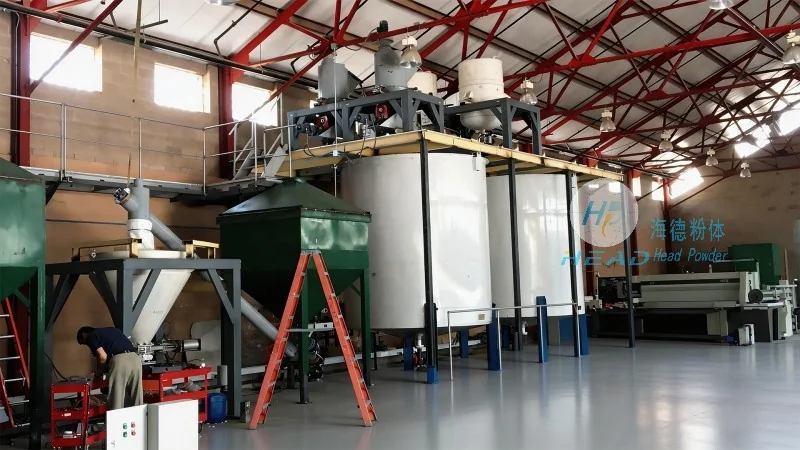
Positive pressure conveying is commonly used in sawmills and woodworking plants for transporting sawdust from the cutting area to the storage silos. The system can handle large volumes of sawdust efficiently and safely, reducing the risk of dust explosions. Negative pressure conveying is often used in biomass power plants, where sawdust is transported from the storage area to the boiler. The long-distance conveying and the need to handle high-moisture sawdust make negative pressure systems a suitable choice. Additionally, negative pressure systems are used in recycling facilities to transport sawdust from the collection point to the processing plant.
Conclusion
Choosing the right pneumatic conveying mode for sawdust handling depends on several factors, including the distance, material characteristics, and system capacity. Positive pressure systems are ideal for short distances and abrasive materials, while negative pressure systems are better for long distances and materials with high moisture content. By understanding the principles and applications of each mode, you can select the most suitable system for your needs. The choice of system should also consider the cost, energy efficiency, and maintenance requirements. Ultimately, the goal is to achieve efficient and reliable material handling while ensuring safety and compliance with environmental regulations.