

Technical Analysis of Corundum Pneumatic Conveying Systems: Comparison of Positive and Negative Pres
Corundum, a high-purity aluminum oxide material, is widely utilized in industrial sectors including refractory manufacturing, abrasive products, and optical components. The efficient and reliable transportation of corundum is essential for maintaining production efficiency and ensuring product quality. Pneumatic conveying systems provide an effective solution by transporting bulk materials through air flow. This article offers a technical analysis of corundum pneumatic conveying systems, with a focus on comparing the positive pressure and negative pressure conveying modes.
Introduction to Corundum Pneumatic Conveying
Corundum, characterized by its high hardness and chemical stability, demands specialized handling to prevent degradation and contamination. Pneumatic conveying systems are an ideal method for transporting corundum due to their ability to handle fine powders while preserving material integrity. These systems utilize air as the conveying medium, either by pressurizing the system (positive pressure) or creating a vacuum (negative pressure) to move the material from the source to the destination.
Positive Pressure Conveying Mode
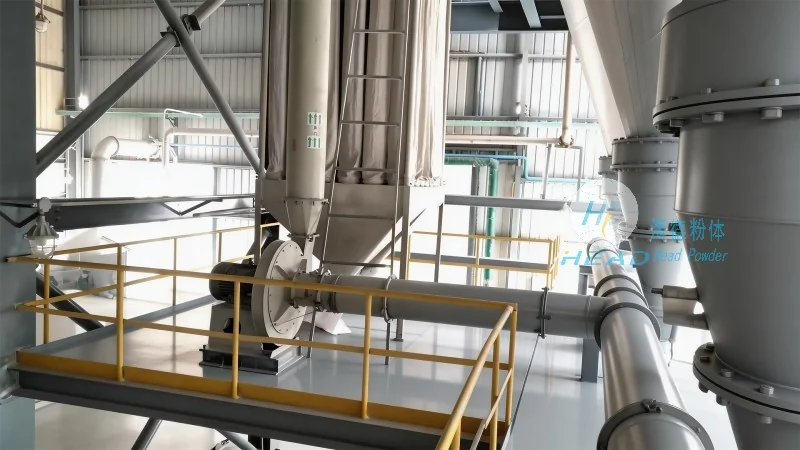
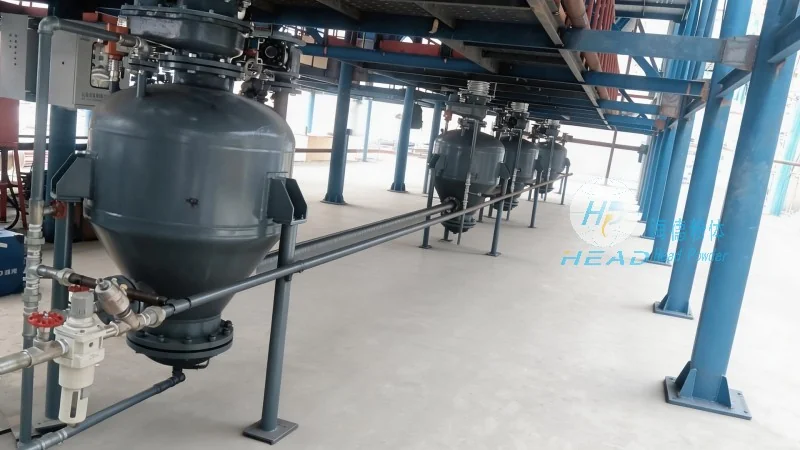
Positive pressure conveying operates by blowing air into the conveying line, establishing a pressure higher than ambient air pressure. This method is commonly employed for long-distance and high-capacity transportation of corundum. The system typically includes a blower, a hopper, and a series of pipes equipped with appropriate valves and filters. The positive pressure mode ensures continuous material push-through, reducing the risk of blockages and maintaining consistent flow rates. For corundum, which is a fine powder, the positive pressure system can handle high volumes while preserving particle size distribution and preventing agglomeration.
Negative Pressure Conveying Mode
Negative pressure conveying, also known as suction conveying, works by creating a vacuum in the conveying line, drawing the material from the source into the system. This mode is often used for shorter distances and when the material is to be collected from a dispersed source. The system includes a vacuum pump, a collection hopper, and a filter to remove dust from the air. Negative pressure conveying is advantageous for corundum because it can handle materials with higher moisture content and is less likely to cause dust explosions compared to positive pressure systems. However, it may have lower conveying capacities and is more susceptible to blockages if the material is too fine or has high moisture levels.
Key Considerations for Corundum Pneumatic Conveying
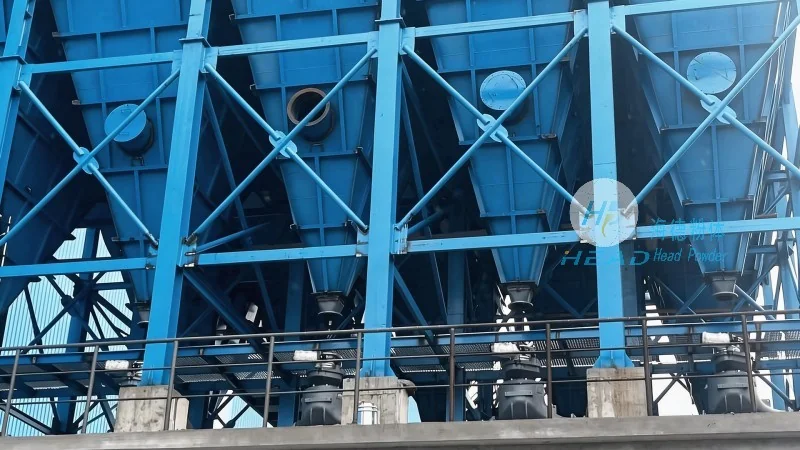
When selecting a pneumatic conveying system for corundum, several factors must be considered to ensure optimal performance and material handling. Particle size and density are critical, as they affect the air velocity required for conveying. Corundum particles are typically fine and dense, requiring higher air velocities to maintain flow. The system design must also account for the material's chemical properties, such as its reactivity with air or moisture, to prevent degradation. Additionally, the choice between positive and negative pressure depends on application requirements, including the distance between the source and destination, the volume of material to be transported, and the need for dust control.
Company Overview: Shandong HeadPowder Engineering Co., Ltd.
Shandong HeadPowder Engineering Co., Ltd., commonly known as headpowder, is a leading provider of pneumatic conveying solutions for industrial applications. With a focus on innovation and customer satisfaction, the company specializes in designing and manufacturing customized corundum pneumatic conveying systems. Headpowder's expertise lies in understanding the unique challenges of handling corundum and developing systems that meet the specific needs of clients. The company's facilities are located in Shandong, China, where it leverages advanced technology and skilled personnel to deliver high-quality products and services.